

“Observer and participator in the culture”
Listen to the video before reading.
I see and hear stuff like this, and I always feel disappointed. I have had students from Somalia, Ethiopia, and Eritrea in the classroom embrace aspects of Black American culture. So I understand what they are trying to say, but I am hesitant to fully agree with them. As an educator, it is essential to identify traditions and values unique to each student, especially when they are eager to share their Culture. I just can’t say that because a person hasn’t been here, they are an observer of a culture they may reject or lack prior knowledge of but eventually also be associated with, even if it is in the lightest regard.
The statement that they are making in the video is divisive, and it negates the many significant contributions Black Immigrants and first-generation Black Americans have made to Black American Culture. That is why I feel disappointed when I hear comments like these two gentlemen made. What about Kwame Ture? He came to the United States from Trinidad and Tobago, becoming a U.S. citizen at 13 years old, two years after he arrived. That is not a participator, Kwame Ture was an innovator and contributor to Black American Culture and Politics.
Let’s take one aspect of Black American Culture that I love, Hip-Hop which is a pillar of Black American Culture. Hip-Hop was in part created by a Jamaican Immigrant, who moved to the Bronx when he was 12 years old. DJ Kool Herc birthed a movement that could be used to influence politics and is already used to market products in most industries all over the world. That doesn’t sound like someone that is simply observing. That is just one example, but for me, it’s the most crucial example, and it really shows why these two gentlemen bring up an interesting perspective point but entirely correct.
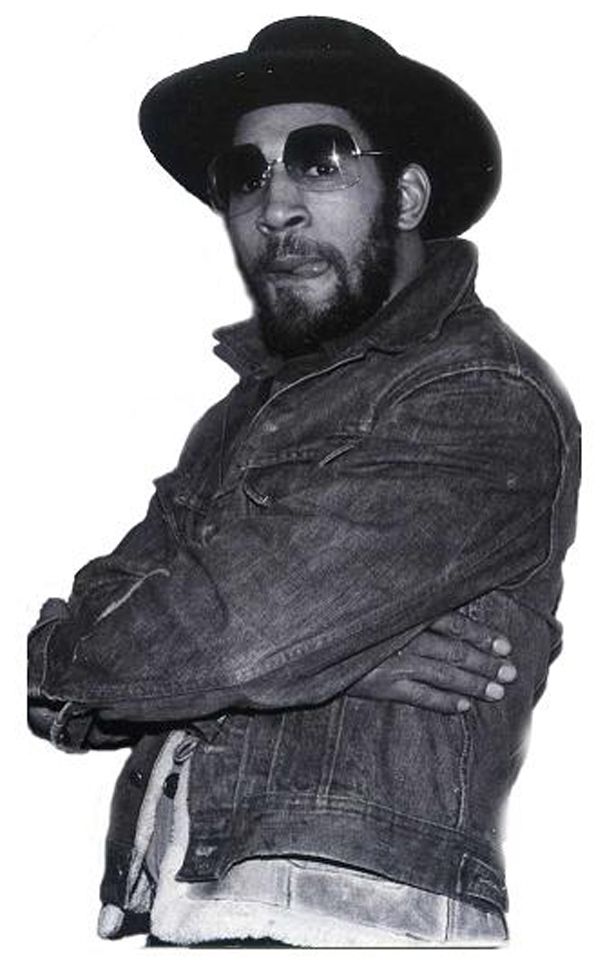
Black Immigrants are not guests of Black American Culture. Instead, they may be new, but they definitely contribute to Black American Culture.
That is not to take away from their own Culture with which they arrive in the states.
It is a counter to the divisive thinking that limits the amount of innovation in our communities and sends the message to our Black Immigrant students that they only mimic.
So it’s the opportunity to contribute that is there, and for that reason, I don’t think minimizing Black Immigrants to guests of Black American Culture is the right way to go. Welcoming and embracing differences while also recognizing each other as one community is important as we move forward.
 Thoughts Processed