

As an educator and a member of the education community, I am deeply committed to fostering safe and inclusive learning environments for all students. As we conclude Black Lives Matter week, it is important to reflect on the progress made in acknowledging and addressing systemic racism and police brutality against Black individuals. The Black Lives Matter movement has been a driving force for change, bringing much-needed attention to the issue of systemic racism.
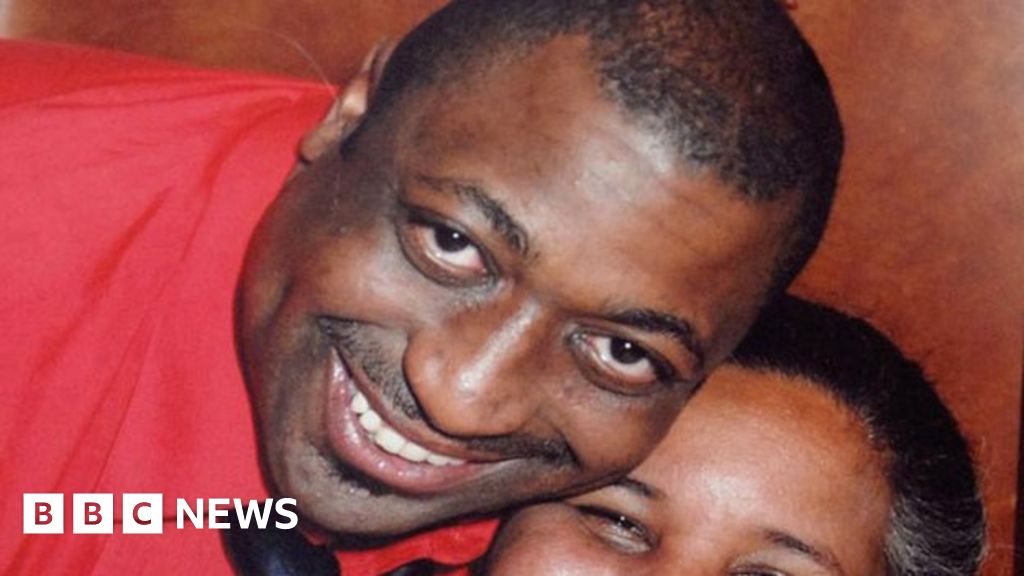
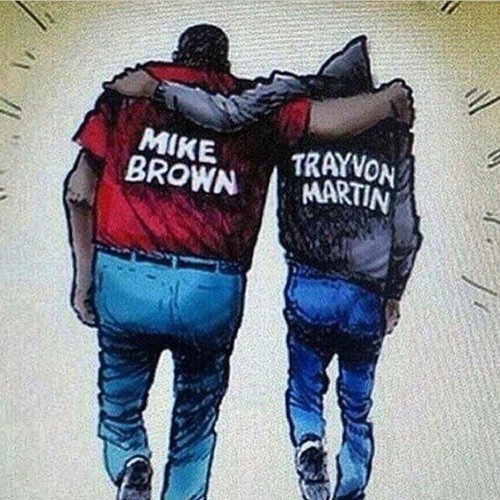
One area of concern is the absence of Black men in the Black Lives Matter curriculum. The deaths of Trayvon Martin, Michael Brown, and Eric Garner are seminal events in the history of the movement, but in many schools, their stories go untold during the week dedicated to the movement. This omission is not only perplexing but also painful, as the experiences and perspectives of Black men are crucial to fully comprehending and combating systemic racism.
Another crucial aspect that is often overlooked in discussions of the Black Lives Matter movement is the school-to-prison pipeline. This issue highlights the intersection between the criminal justice system and the education system, and how they both contribute to systemic racism. Yet, it is often not given the attention it deserves. This is a critical part of the fight for racial justice and must be brought to the forefront of discussions.
Furthermore, it is important to recognize the role of Black male educators in the education system. Currently, only 2% of classrooms are led by Black males, despite the fact that representation and positive role models are vital for students of color. By investing in Black male educators, we can create a more diverse and inclusive learning environment, boost student confidence and self-esteem, and provide students with inspiring role models who understand the unique challenges they face.
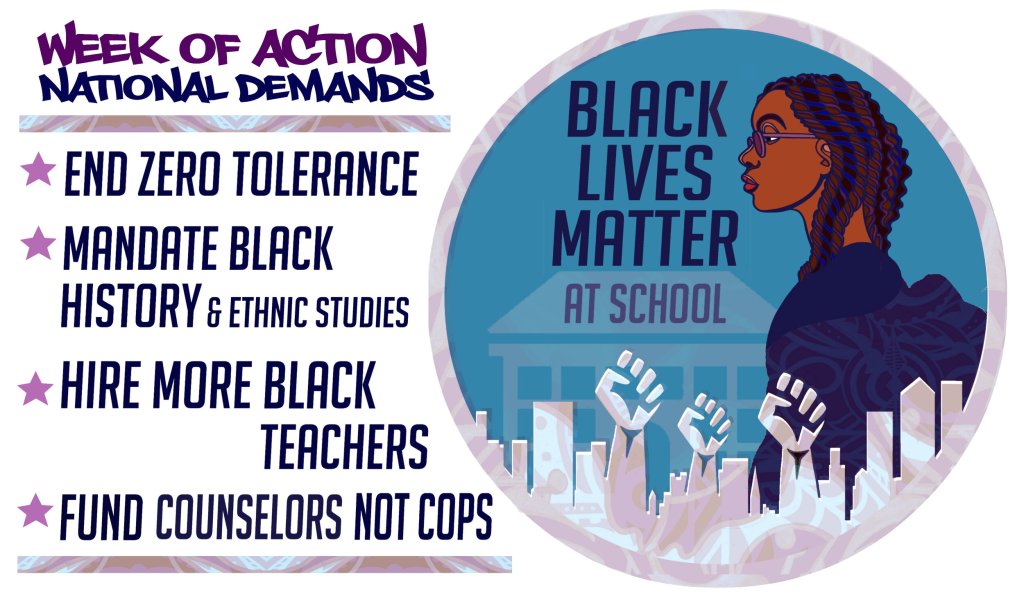
As we bring an end to Black Lives Matter week, it is crucial that we acknowledge the progress made, but also recognize that there is much more work to be done. The Black Lives Matter movement has given a voice to a cause that has been long ignored, but we must continue to fight for racial justice in all its forms. The absence of Black men in the curriculum and the ongoing problem of the school-to-prison pipeline must be addressed if we hope to create a society where Black lives truly matter.
As Malcolm X once said, “Education is the passport to the future, for tomorrow belongs to those who prepare for it today.” It is our responsibility to prepare future generations for a better tomorrow, and that begins with creating an inclusive education system that empowers and uplifts Black individuals. By supporting Black male educators and constructing a curriculum that accurately reflects the diverse experiences and perspectives of Black people, we can work towards a more equitable and just society for all.
Let us remember that Black Lives Matter every day, not just during Black Lives Matter week. The path ahead may be long and challenging, but it is a journey worth taking for the sake of a brighter future for all.
 Thoughts Processed