

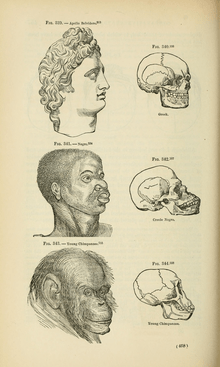
In the ever-changing fabric of our world, the profound influence of social constructs on society emerges as a weighty subject. Throughout history, certain social constructs have been established and dismantled, often with white individuals taking on the role of architects. This blog aims to dive deep into this intricate realm, shedding light on instances where white individuals have significantly influenced social constructs. Moreover, we will explore the intersections of race and gender, unraveling how power dynamics and privilege intertwine to shape perspectives on racism and equality.
Unveiling the Creation and Disintegration of Social Constructs
Social constructs serve as intangible frameworks societies create to navigate the world’s complexities. They encompass various phenomena, including cultural norms, ideologies, legal frameworks, and economic systems. It is undeniable that throughout history, white individuals have played pivotal roles in shaping these constructs.
The Enduring Legacy of Carl Linnaeus: Science and Racism
One striking example of white individuals leaving indelible imprints on social constructs is the work of Carl Linnaeus, the renowned Swedish botanist. Linnaeus meticulously classified humanity into racial groups, birthing the abhorrent concept of scientific racism. This prejudiced framework perpetuated racial hierarchies and provided the foundation for justifying many discriminatory practices.
Eugenics and its Influence on Social Policies
The eugenics movement, which gained traction in the late 19th and early 20th centuries, aimed to manipulate genetic traits through selective breeding. While not exclusive to white individuals, eugenics found significant acceptance in Western societies. Its toxic tendrils intertwined with social policies resulted in forced sterilizations and systemic discrimination that disproportionately affected marginalized communities.
Historical Figures and the Machinery of Oppression
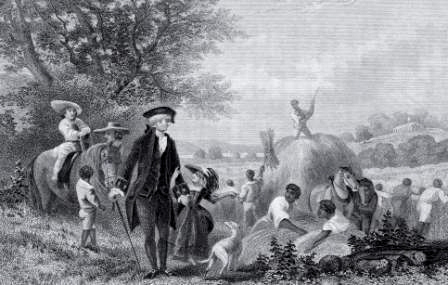
Throughout history, white individuals such as Adolf Hitler and Thomas Jefferson exploited their positions of power to perpetuate and legitimize racial oppression. These instances expose the harsh reality that social constructs can be wielded as weapons to enforce inequality and sow the seeds of suffering.
Unmasking the Veil Shielding Racism
A pertinent concern arises from the realization that gender may act as an impervious shield, deflecting conversations about racism and equality. Acknowledging how power dynamics and privilege shape perspectives are essential, limiting a comprehensive understanding of the lived realities endured by marginalized racial groups. By scrutinizing these dynamics without hesitation, we uncover the trials diverse communities face, paving the way toward a more inclusive society.
Conclusion
Social constructs are indomitable forces that have shaped our societies, with white individuals exerting considerable influence in their construction and deconstruction throughout history’s tumultuous tapestry. The responsibility lies in recognizing the impact of these constructs, particularly in the context of racism. White individuals must confront and dismantle the oppressive social constructs they have contributed to before assuming the authority to determine new ones. By addressing these issues and striving for a more inclusive and just society, we can redefine the impact of white individuals on social constructs and work towards a more equitable future.
 Thoughts Processed