

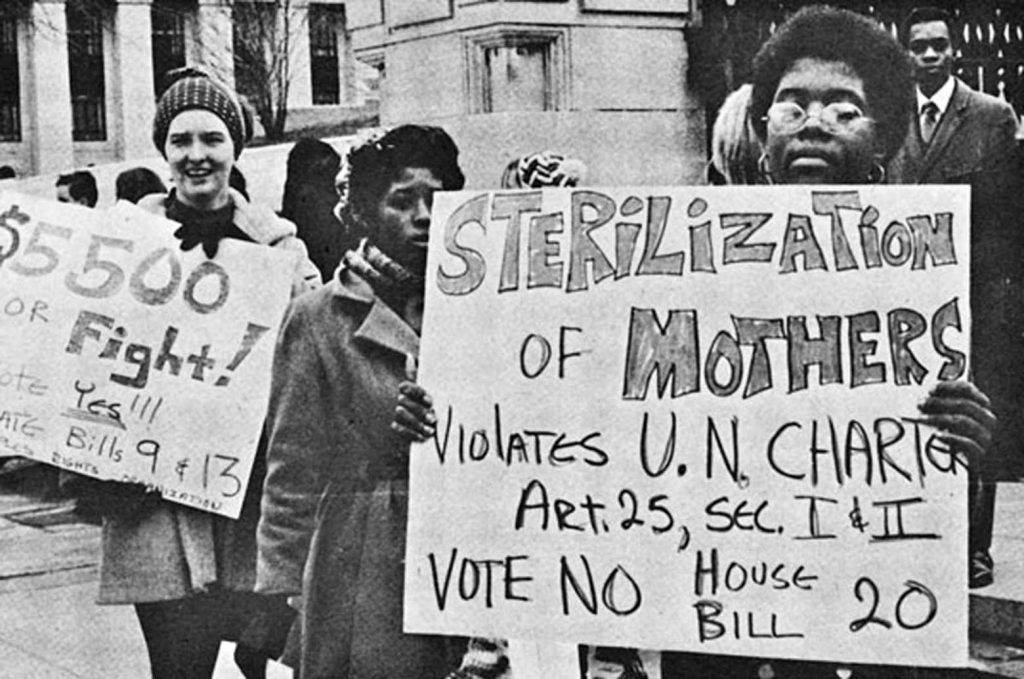
During significant periods in our history, the depths of human cruelty have been laid bare, leaving us grappling with the unfathomable horrors perpetrated in the name of power and control. Eliminating someone’s ability to reproduce to establish and maintain dominance is a testament to the sickness that pervaded our society. The realization that these acts are not distant echoes but recent chapters in our history only deepens the profound sense of unease.
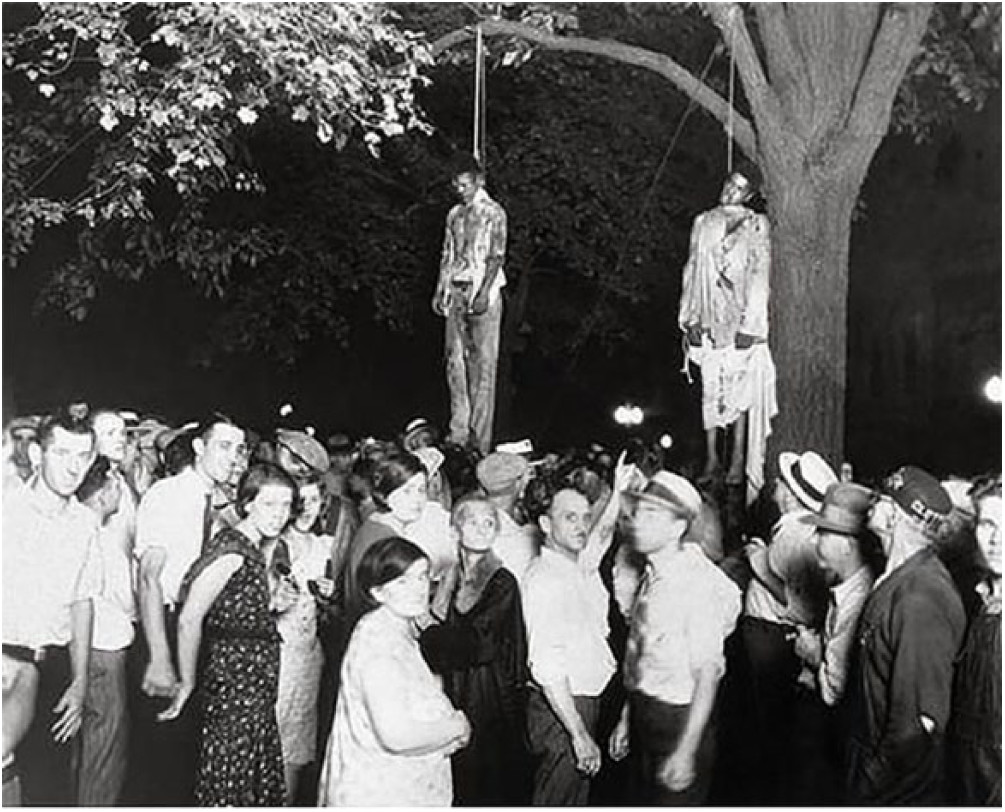
As I delve into the historical accounts, the weight of these atrocities becomes increasingly burdensome. The deliberate erasure and silence surrounding these topics add to the anguish. I am developing a curriculum that focuses on the 1900s up to the 1970s. Although it may not be the primary emphasis, it would be foolish to deny the existence of a sinister agenda. The conversation is uncomfortable, and I rarely venture into it. However, the castration of young boys, perpetrated by white men under the pretext of protecting white women, is not an unfounded claim. It is a chilling reality that persisted for years, undocumented and conveniently ignored. Countless innocent men fell victim to this abomination, all in the name of shielding white women from imagined threats. The depths of depravity and sickness embedded within such actions defy comprehension.
Forced sterilization targeted Indigenous and melanated women and various European groups at different points in time. These women were often robbed of their reproductive rights without their knowledge or consent. Their children were forcibly taken away and placed in institutions, where they were subjected to a process of socialization that stripped them of their cultural heritage and beliefs. The very essence of their parental influence was forcefully extinguished.
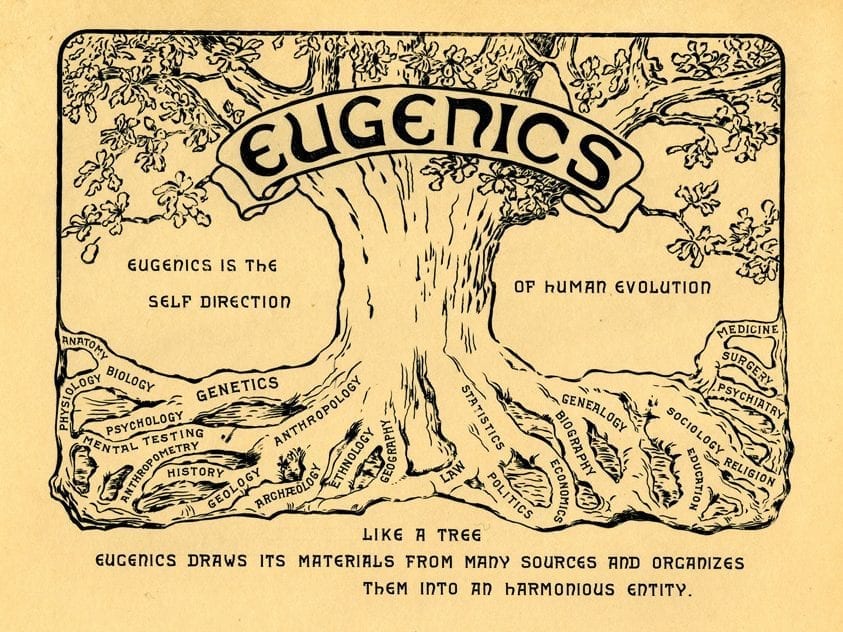
The question that burns within me is why our educational system has remained silent on these atrocities. Why are these truths, not common knowledge? It is a disheartening reality that the stories of forced sterilization and castration, driven by eugenic ideologies, have been omitted from our curricula. These acts, fueled by white supremacist ideals, stained the very fabric of our society. They were calculated attempts to manipulate and control the genetic makeup of marginalized communities, perpetuating the false myth of racial superiority.
Castration, a brutal act of emasculation, has been consistently employed as a means of subjugation and control, particularly targeting black men throughout history. It is a reprehensible practice rooted in the dehumanization of black bodies, designed to strip away agency and render individuals powerless in the face of systemic oppression. Its purpose was to solidify a social hierarchy built upon the subjugation of races.
These harrowing accounts serve as a stark reminder of the resilience and strength exhibited by marginalized communities in the face of unspeakable cruelty. We must confront these painful truths, acknowledge the deep-seated injustices perpetrated by social constructs, and work tirelessly to dismantle the systems that perpetuate inequality. Our collective responsibility is to ensure that these stories are heard, taught, and never forgotten.
The question persists: Why don’t we learn about these atrocities in our schools? Why are these not part of our collective knowledge? It is a grave disservice to humanity that these chapters in history have been obscured and relegated to the shadows. It is high time we illuminate these dark corners, confront our past with honesty, and strive for a future where such horrors can never be repeated.
Only by acknowledging the depths of our past transgressions can we hope to heal the wounds that still linger today. Let us unite in our commitment to justice and equality, and work towards a society that embraces the truth, dismantles oppressive structures, and fosters compassion for all.
 Thoughts Processed