


Admission into college often hinges on two key factors: GPA and standardized test scores. But are these numbers genuinely indicative of an individual’s potential? They aren’t always a comprehensive reflection.
Different individuals thrive in varied learning environments, and traditional classroom settings or standardized tests may not cater to everyone’s cognitive or learning style. Some excel in hands-on, practical, or creative tasks, while others might struggle with traditional academic exercises. Additionally, essential non-academic skills like emotional intelligence, resilience, creativity, practical skills, leadership, and interpersonal abilities are measured by something other than academic performance. These skills are often crucial to success in life and many careers. Socioeconomic factors, level of motivation, and engagement also play a significant role. Some might have excellent potential but perform poorly in school due to a lack of interest, engagement, or unfavorable circumstances.
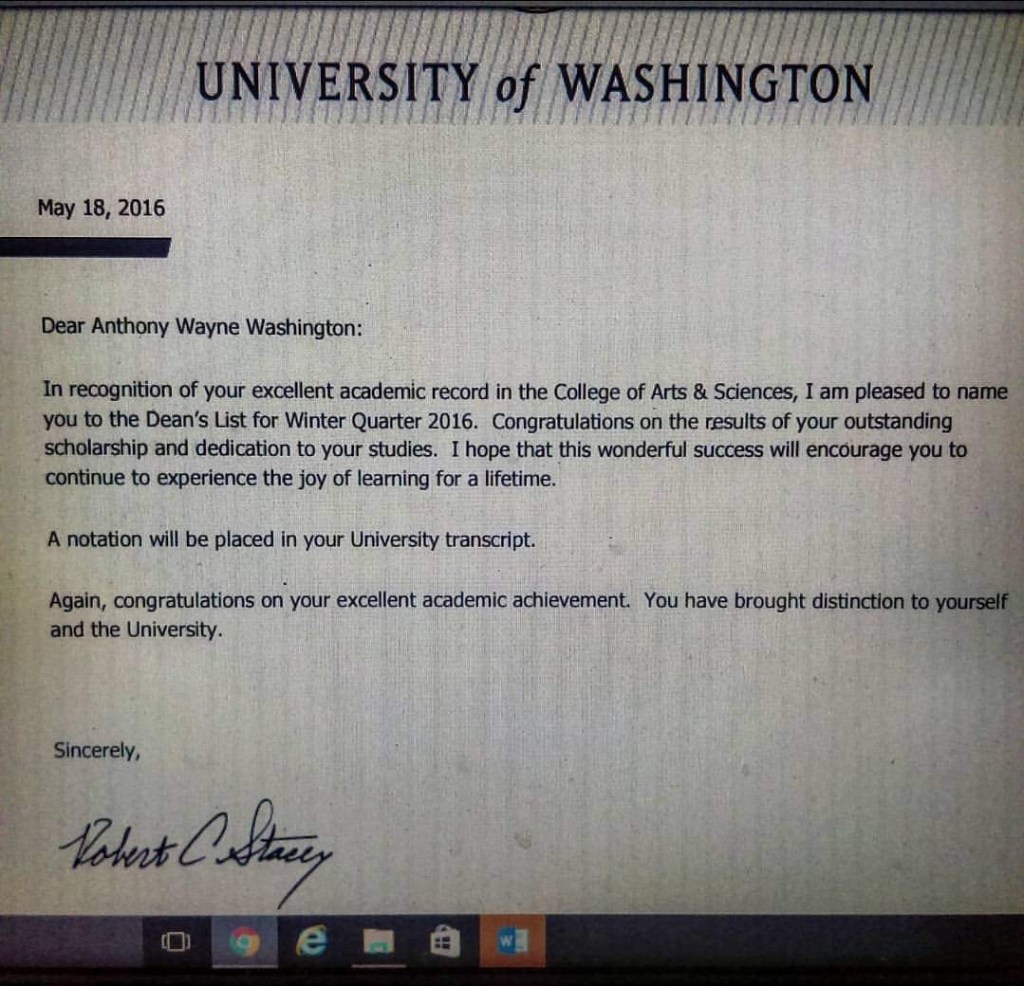
Let’s consider my journey. I was initially admitted into college based on athletic merit, with a GPA of 2.3 and an SAT score of 890. Years later, however, I returned to school, determined to demonstrate that I could excel with dedication and hard work. I made the Dean’s list during my undergraduate studies, a testament to my potential.
However, I must also acknowledge the role my racial identity played as I transitioned into graduate school. As the only Black person and one of four people of color in my cohort, I received immense support throughout my academic journey. This support was critical to my success, and I know that a considerable part was due to my being Black.
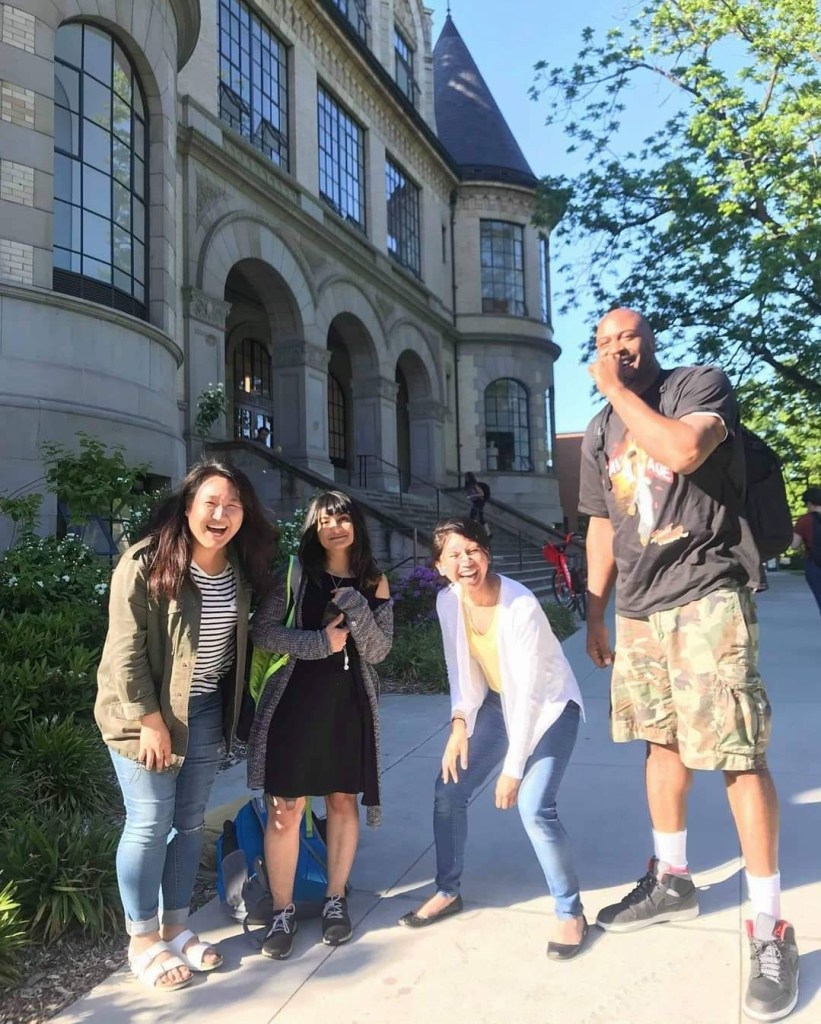
But the question arises – does my racial identity overshadow my achievements and qualifications? I contend that it doesn’t. I am a passionate educator, committed to delivering knowledge daily. I passed my tests, challenged ideologies, and aided my peers. My current place in education combines my talent, intelligence, and the support I received.
Yet, the topic of affirmative action stirs up personal conflict. I grapple with the question, do people think Black people cannot do better academically? Or is it believed that the primary path for Black students to get into school is through affirmative action?
While affirmative action aims to correct historical imbalances and address present-day inequalities, it is essential not to undermine individual potential and merit. This brings us to a crucial point: acknowledging institutional racism and systemic barriers. They play a significant role in shaping academic trajectories and must be addressed in conversations about affirmative action and academic success.
I emphasize that while academic performance can offer insight into an individual’s abilities, it doesn’t tell the whole story. My journey underscores that success in academics and beyond is multifaceted – a mix of intrinsic potential, support systems, and, yes, policies like affirmative action. Many have carved successful paths without excelling in traditional academic settings, demonstrating that potential extends beyond grades and test scores.
 Thoughts Processed