

Introduction
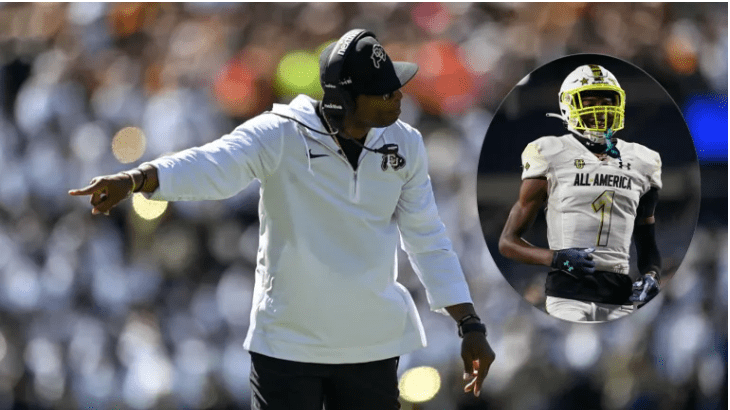
In sports, the line between accountability and humiliation is often blurred. Coaches, in their quest to extract the best from their players, sometimes resort to tactics that can either break or make a career. Deion Sanders, the first-year head football coach at Colorado, has recently been in the spotlight for his approach to coaching, particularly with his handling of freshman defensive back Cormani McClain. While some critics argue that Sanders’ public criticism borders on humiliation, a closer look reveals a calculated strategy to foster accountability.
The Backdrop
Cormani McClain, a five-star recruit, was expected to make an immediate impact on Colorado’s defense. However, his limited playing time in the first four games raised eyebrows. Sanders didn’t mince words when asked about this, stating that McClain had not put in the work to earn his spot on the field. The message was clear: “Study and prepare. Be on time for meetings, and show up to the darn meetings. Understand the scheme. Want to play this game, desire to play this game.”
Accountability vs. Humiliation
The key to understanding Sanders’ approach is distinguishing between accountability and humiliation. Humiliation leaves a scar, blocking mental and emotional pathways that can lead to greatness. Accountability, on the other hand, provides a path to redemption. It’s a wake-up call that pushes individuals to reflect on their actions and strive for improvement. Sanders’ public critique was not aimed at belittling McClain but was a call to action, laying out explicit expectations not just for McClain but for the entire team.
The Metrics of Accountability
Sanders goes beyond lip service by implementing concrete metrics to gauge player preparation. He checks film time for each player, a quantifiable measure of engagement and readiness. This level of scrutiny sends a clear message to the team: accountability is not optional; it’s a requirement.
The Turnaround
The real test of any coaching strategy is its impact on player performance. In the case of McClain, the results speak for themselves. After Sanders’ public call for greater accountability, McClain had a breakout game against USC. He made crucial plays, including a tackle for loss and a near interception, proving that he had taken his coach’s words to heart. This is accountability in action, leading to breakthroughs rather than breakdowns.
Peer Accountability
Another noteworthy aspect is the culture of peer accountability that seems to take root in the team. During the USC game, Travis Hunter Jr., still recovering from an injury, took it upon himself to work specifically with McClain. This mentorship and peer accountability culture amplifies the impact of Sanders’ leadership, creating an environment where players hold themselves and each other to a high standard.
Conclusion
Deion Sanders has put on a masterclass in accountability. His explicit expectations, public critique, and concrete performance metrics have set the stage for individual growth and collective success. While some may mistake his approach for humiliation, those who understand the nuances recognize it as a calculated strategy to foster a culture of accountability. And as Cormani McClain’s turnaround shows, this approach elevates individual players and contributes to the team’s overall success. Ultimately, accountability, not humiliation, is the key to unlocking greatness.
 Thoughts Processed