

In the early 1990s, a young Black child, growing up in a family deeply aware of America’s fraught racial history, was taught an invaluable lesson by his parents: the power of protest. This lesson came at a time when the Pledge of Allegiance was a daily ritual in schools, a symbol of national unity. My parents told me I didn’t have to stand for the Pledge, so I didn’t. I notice that I do at my son’s basketball games, which is interesting.
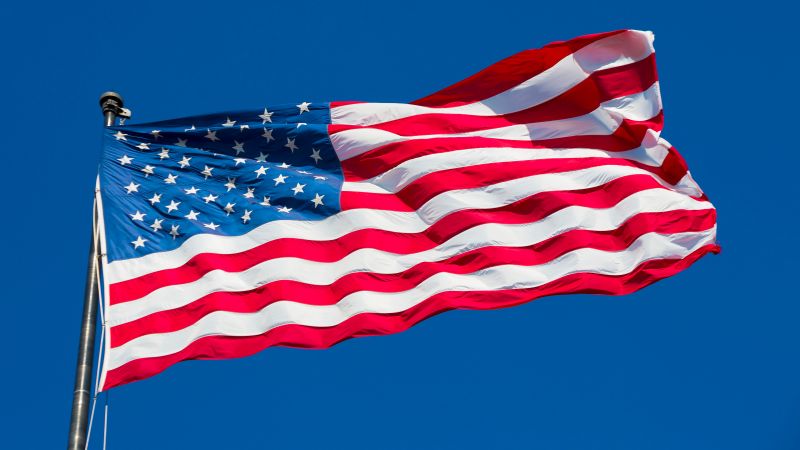
The Weight of the Pledge
The Pledge of Allegiance, a historic symbol of national unity, carries different weights for different people. For some, it’s a proud declaration of patriotism. For others, it’s a reminder of a history and present marred by inequality and systemic racism. This dichotomy is particularly poignant for communities that have borne the brunt of America’s darker chapters – African Americans, Native Americans, Latinos, Asian Americans, and more.
What Replaces the Pledge?
As we grapple with these complexities, a critical question arises: if the Pledge doesn’t fully resonate with our diverse experiences, what can replace it as a unifier? The answer lies not in a singular statement or symbol but in a collective commitment to understanding and respecting our varied histories and struggles.
Finding Connection in Diversity
The true strength of America lies in its diversity. The Black Freedom Struggle, the plight of Tribal Nations, the histories of Mexican, Latino, Chinese, Filipino, and countless other communities – these separate narratives, are integral threads in the fabric of American history. Recognizing and valuing these stories is where our unity begins.
Embracing a Complex Identity
Being American today means embracing a complex identity. Understanding that our love for this country doesn’t preclude us from critiquing it. It’s about realizing that patriotism and protest can coexist – that, in fact, protest is often the highest form of patriotism, born out of a desire to see the nation live up to its ideals.
The Road Ahead
The future is undoubtedly uncertain, and the road ahead is fraught with challenges. However, if history has taught us anything, progress is possible when we come together, acknowledge our differences, and work towards a common goal. Our diversity, coupled with a shared commitment to justice and equality, is our greatest strength.
As Americans, we stand at a crossroads. We can let our differences divide us or embrace them as the foundation of our collective strength. The Pledge of Allegiance may only resonate with some in its traditional form. But our shared pursuit of a more inclusive, just, and equitable society – is a pledge worth making. This is not about hating the country; it’s about loving it enough to commit to its continual betterment, ensuring it reflects the values and respects the histories of all who call it home.
 Thoughts Processed