
Sometimes, it takes a second look to catch the deeper connections between creative works, especially when a family like the Wayans has been making sharp, culturally relevant content for generations. One such connection lies between The Wayans Bros. TV show, featuring Marlon and Shawn Wayans, and the earlier satire crafted by their older brothers, Keenan Ivory and Damon Wayans, on In Living Color.
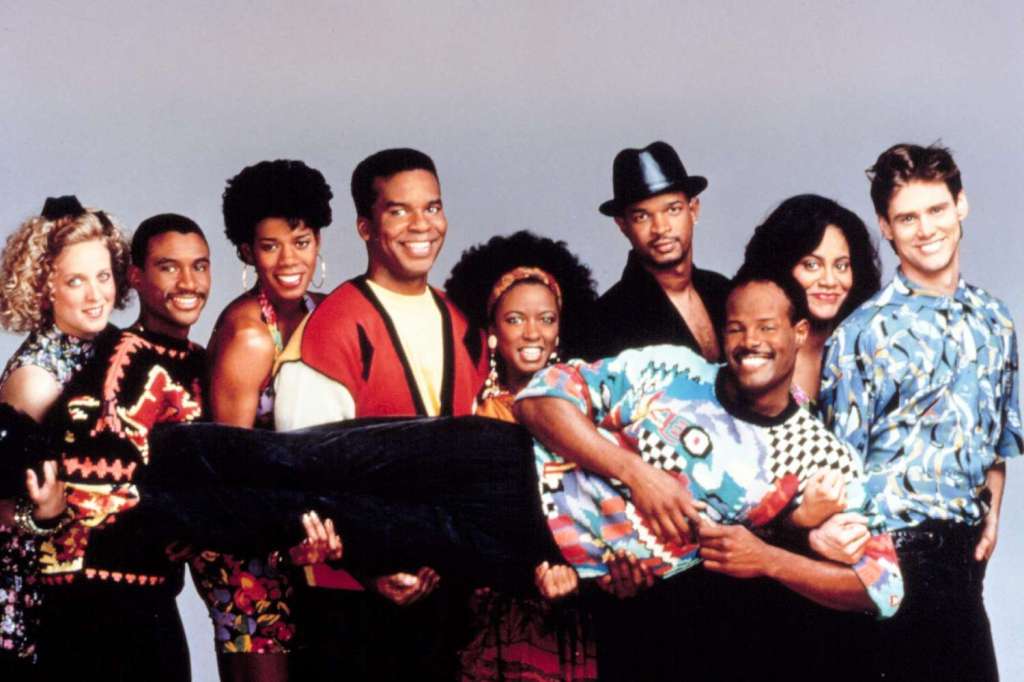
In In Living Color, Keenan and Damon Wayans created the “Brothers Brothers” skit, a satire aimed at Black men who were seen as Uncle Toms, now more commonly referred to as Coons. These men were portrayed as distancing themselves from their Blackness, adopting behaviors meant to appease or gain favor from white society, often at the expense of their own community. The skit was a critique of this stereotype, using humor to highlight how ridiculous and harmful such behavior could be.
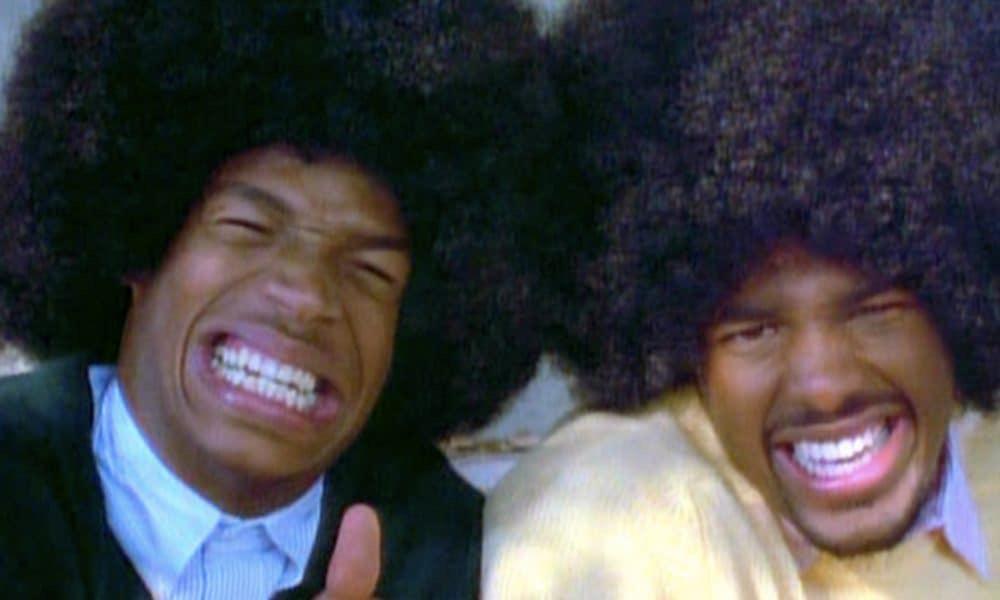
Years later, Marlon and Shawn Wayans used a similar theme with the intro to The Wayans Bros. TV show, where they sing, “We’re brothers, we’re happy, and we’re singing, and we’re colored.” While the song might seem like just a fun, catchy jingle, it was actually a nod to the satire their older brothers had created. However, instead of simply referencing the stereotype, Marlon and Shawn flipped the script. Their characters on the show were loud, messy, and unapologetically Black, far from the docile, agreeable image that their older brothers were critiquing.
The Wayans family’s use of satire was not just about laughs, it was about reclaiming Black identity from limiting stereotypes. Keenan and Damon challenged the idea of being the “safe” Black man, while Marlon and Shawn refused to fit into any mold at all. Together, they showed that true representation is not about conforming to someone else’s expectations but about being fully authentic.
Through humor, the Wayans family has left a lasting legacy of pushing boundaries, challenging stereotypes, and reclaiming the narrative around Black identity. Their work reminds us that representation is not just about how others see us but about how we choose to see ourselves.
 Thoughts Processed