

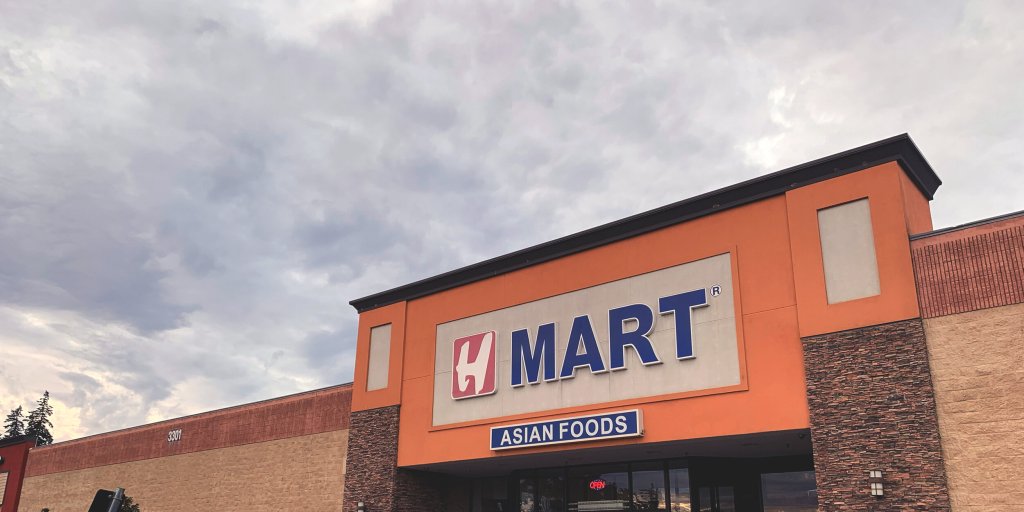
Building economically powerful communities is not just a dream, but a tangible goal for the Black community. This vision has been championed by thought leaders like Dr. Amos Wilson. In his work on economic empowerment and self-determination, Dr. Wilson emphasized the importance of owning industries that serve our communities. When we look at successful grocery chains like H Mart and Uwajimaya, we see not just models of economic success, but beacons of hope that can serve as blueprints for Black entrepreneurship.
The Success of H Mart and Uwajimaya
H Mart and Uwajimaya are not just grocery stores; they are vibrant cultural centers that cater to the unique needs of their communities. These chains focus on offering culturally relevant products and services to the Korean and Japanese communities, such as food courts, specialty shops, and pharmacies. Their approach has led to financial success while maintaining their cultural identity. This model of combining business with community support is something the Black community can replicate to build long-lasting economic power and foster a sense of belonging and unity.
H Mart, founded in 1982, has expanded to multiple locations in the U.S., Canada, and the U.K., while Uwajimaya has established itself as a regional powerhouse in the Pacific Northwest. Both businesses have shown that there is strength in catering to a community’s needs while creating jobs and opportunities. However, their success is not solely due to their business model, but also the unwavering support and patronage of their respective communities. They have become hubs where money circulates within their communities, contributing to the overall well-being of their populations.
The Decline of Black-Owned Grocery Stores
Historically, Black-owned grocery stores played a vital role in urban areas, serving as community anchors. However, systemic racism, redlining, and lack of access to capital led to the decline of these businesses. Today, while some Black-owned grocery stores still exist, they are few and far between. Initiatives like urban farming programs have begun to fill some gaps. However, a national Black-owned grocery chain is still missing.
- Amos Wilson’s Vision for Economic Empowerment
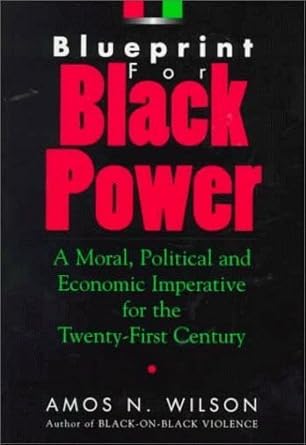
In his book Blueprint for Black Power, Dr. Amos Wilson explained that Black communities must control industries serving their own people. This concept directly ties into creating Black-owned grocery chains that could provide jobs, offer culturally relevant products, and keep wealth circulating within the community. Wilson believed that political and social power would always be limited without economic control.
He stated, “Economies that serve the needs of their own people and recycle dollars within their communities create a self-sustaining cycle of wealth.” If we apply this thinking to the grocery industry, we can see how a Black-owned chain could serve as a cornerstone for broader economic independence. A Black-owned grocery chain has the potential to not only provide jobs and keep wealth within the community but also generate significant revenue, contributing to the overall economic prosperity of the Black community.
A Model for Black-Owned Grocery Chains
By taking inspiration from H Mart and Uwajimaya, the Black community can create similar grocery chains that cater to cultural needs, provide jobs, and serve as community centers. Here are a few key points that could guide the creation of a Black-owned grocery chain:
- Cultural Relevance: A Black-owned grocery chain should offer culturally significant products such as African, Caribbean, and soul food staples, along with services tailored to the community.
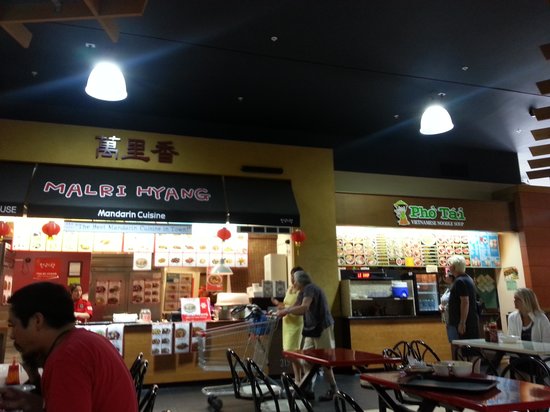
- Community Spaces: Like Uwajimaya, a Black grocery chain could include food courts or cafes run by Black entrepreneurs, along with shops for beauty supplies, health services, or bookstores.
- Economic Circulation: A Black-owned grocery store can create jobs and opportunities within the community, just as H Mart and Uwajimaya do. This keeps money within the community and helps build a foundation of wealth.
- Health and Wellness: Focusing on healthy food options from Black farmers, natural body care products, and holistic health services could address food deserts and promote wellness.
The Path Forward
H Mart and Uwajimaya have shown us that grocery stores can be more than just places to buy food. They can serve as cultural hubs that drive economic empowerment. Dr. Amos Wilson’s work teaches us that financial control is the foundation of true freedom. The Black community can achieve greater financial independence by building grocery chains that cater to our cultural needs and keep wealth within our communities. This would provide jobs and create spaces that celebrate Black culture, promote health, and foster community.
Now is the time to take inspiration from successful models and apply them to our own unique needs. Dr. Wilson once said, “Without economic power, there can be no political power.” Let us take that wisdom and build the grocery chains that our communities need to thrive. While the journey may be challenging, with perseverance, community support, and a clear vision, we can overcome these obstacles and create a sustainable, culturally relevant, and economically empowering Black-owned grocery chain.
 Thoughts Processed