

In the echoes of W.E.B. Du Bois’ concept of the Talented Tenth and the fervent critiques by Booker T. Washington, one can find a roadmap for interrogating the cultural crossroads where America, and more pointedly Black America, finds itself today. Though polarizing, the recent comments by Vivek Ramaswamy and Elon Musk reignite a question with roots as old as the Republic: is American culture, particularly Black American culture, fostering the excellence required to thrive in STEM fields and other high-paying industries?
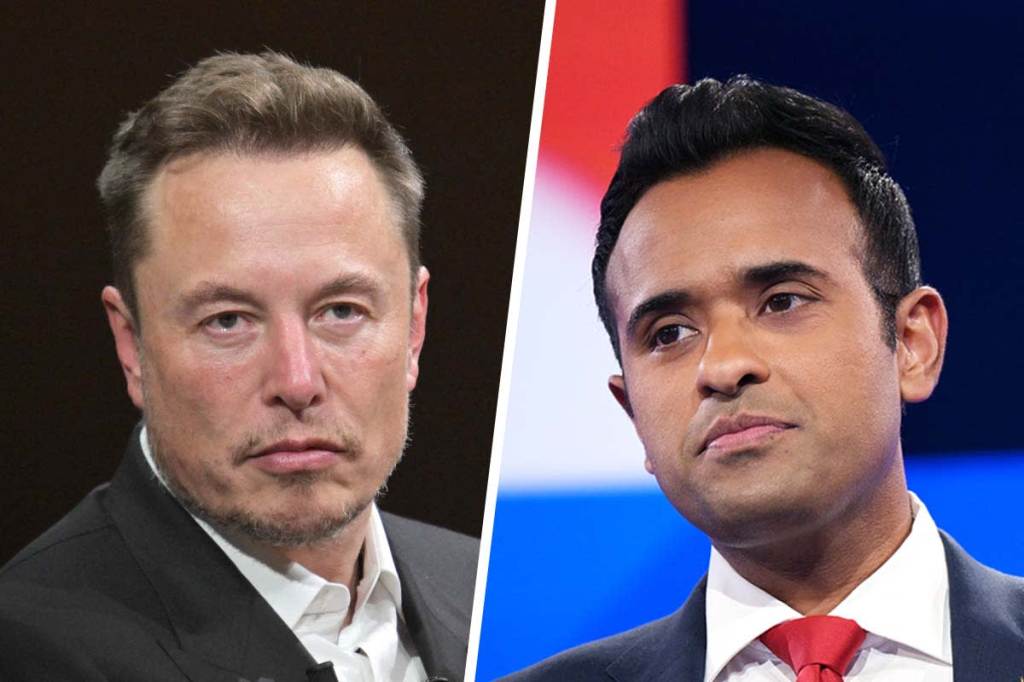
This question cuts to the marrow of defining success, cultivating ambition, and educating our young. It is a question of legacies, of what is passed down and what is nurtured, and it forces us to wrestle with the persistent tension between the pull of culture and the demands of capital.
A Tale of Two Americas
Ramaswamy’s critique of American mediocrity, framed through his disdain for “Friends” reruns and “Saturday morning cartoons,” spotlights cultural habits that celebrate leisure over rigor. Musk’s defense of importing elite foreign talent similarly underscores a belief that the American ethos, enamored with ease, is ill-prepared to compete on the global stage.
Their lamentations echo Henry Lyman Morehouse’s 1896 essay on the “Talented Tenth,” the idea that a small, exceptional group could lead a people forward, provided they were given the tools to rise. However, in both Morehouse’s and Du Bois’s time, the focus was on individual achievement and collective uplift. Today, we must ask whether American culture, broadly, and Black American culture, specifically, still holds space for such ideals. Are we creating a generation prepared to lead in science, technology, engineering, and mathematics, or are we tethered to those who prioritize style over substance?
Black American Culture: A Double-Edged Sword
Black American culture, forged in the fires of resilience, has given the world immeasurable gifts: jazz, hip-hop, the civil rights movement, and countless innovations in art, literature, and science. Yet within this brilliance lies a dichotomy. The glorification of success often becomes tied to entertainment and athletics, eclipsing the quieter triumphs of engineers, scientists, and mathematicians. We must also celebrate the achievements of Black Americans in STEM fields, such as Katherine Johnson’s crucial role in the early space missions, to provide a more balanced perspective.
We must wrestle with this reality: for every LeBron James, there are dozens of Katherine Johnsons whose names go unsung. For every Jay-Z, there are countless George Washington Carvers, whose contributions have shaped industries but remain overshadowed by the glitz of celebrity.
This imbalance is not an indictment of culture but a reflection of systemic forces that have dictated what success looks like and who gets to define it. When young Black children see wealth and influence predominantly in arenas of music, sports, or social media, what incentives exist for them to pursue STEM? What pathways are illuminated for them to become the next Elon Musk or Mae Jemison?
Education and the Ecosystem of Aspiration
Booker T. Washington’s emphasis on vocational training as the foundation for progress resonates with those who see practical skills as the gateway to opportunity. Du Bois, on the other hand, championed the liberal arts as essential for developing critical thinkers capable of leadership. Whether education should serve the individual or the collective remains unresolved, but if you ask me, they were both right, and I always wished they worked together because they were on different tracks headed toward the same destination.
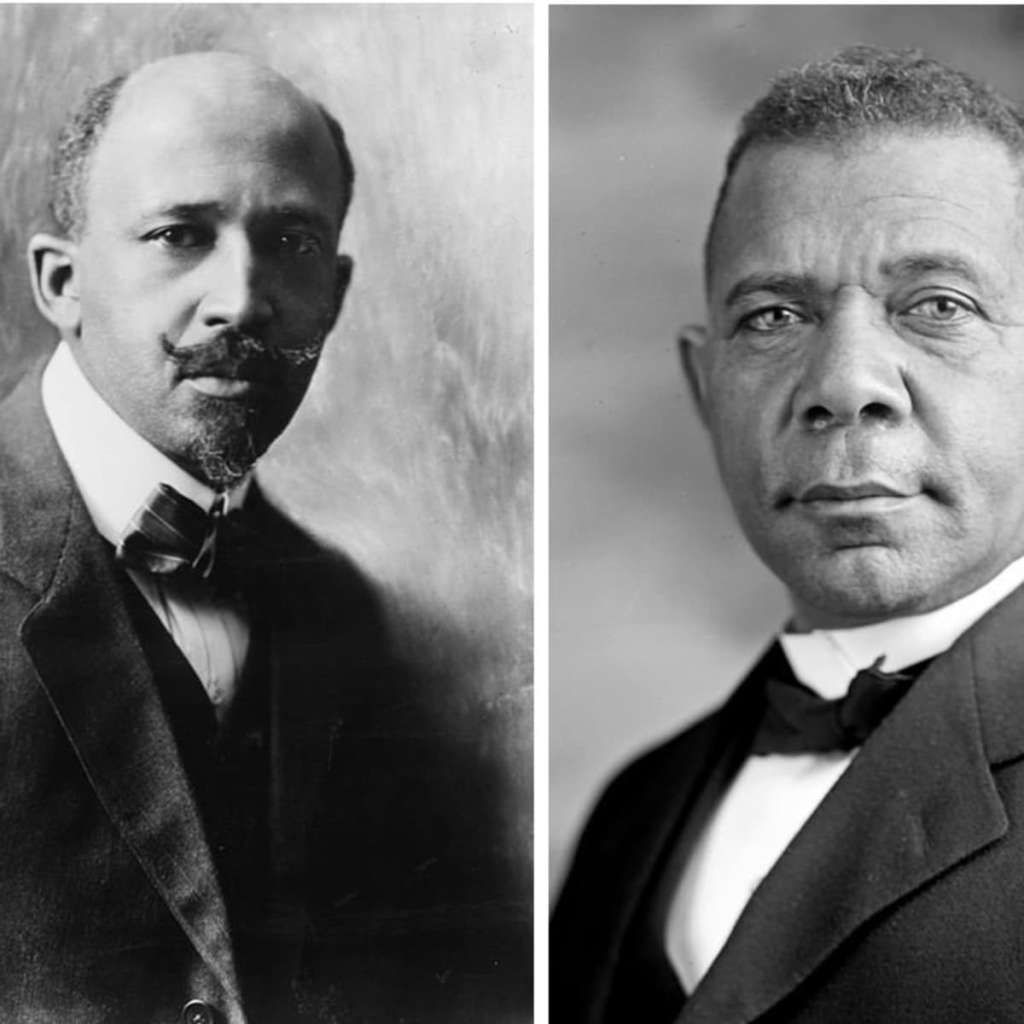
For Black Americans, the stakes are even higher. Education is not merely a tool for personal advancement but a vehicle for dismantling systemic inequities. Yet, public schools in predominantly Black neighborhoods are often underfunded, STEM programs are scarce, and mentorship in high-paying fields is limited. Without structural change, the talented tenth, or the talented many, will struggle to emerge.
Reimagining Culture and Opportunity
The path forward requires a reimagining of both culture and opportunity. First, Black culture must continue to celebrate its diversity, amplifying the achievements of scientists, engineers, and technologists alongside athletes and artists.
Second, education systems must be overhauled to prioritize STEM for all students, but especially for those in marginalized communities. This is not simply about curriculum; it is about creating ecosystems where STEM is seen as accessible, rewarding, and aspirational. Partnerships with tech firms, mentorship programs, and representation in media that showcases diverse and inclusive role models can bridge the gap between potential and opportunity.

Finally, we must confront the systemic barriers that limit access to these fields. The wealth gap, discrimination, and the digital divide are not abstract concepts; they are lived realities that stifle ambition and limit progress. Tackling these barriers requires specific policy changes, corporate accountability, and community-driven initiatives. For instance, increasing funding for STEM programs in underprivileged schools, implementing anti-discrimination policies in the workplace, and providing affordable access to digital resources can all contribute to a more equitable STEM landscape.
A Conversation Worth Having
Ramaswamy and Musk’s critiques may lack nuance but are not entirely misplaced. Celebrating excellence, cultivating ambition, and redefinition of success are not just their concerns. They are ours. Yet, the solutions they propose, importing foreign talent or deriding cultural habits, fall short of addressing the deeper systemic and cultural issues at play.
The conversation about American culture and its readiness for the challenges of a globalized, STEM-driven future must include Black voices. It must reckon with the legacies of Du Bois and Washington, recognizing that excellence is not the sole domain of the elite but a potential that resides in every child, given the right conditions to thrive.
Suppose we are to create a generation that will lead in STEM and other high-paying industries. In that case, we must build an America, and a Black America, where the pursuit of knowledge is as celebrated as the pursuit of fame, where the “prom queen” and the “math champ” are equally valued, and where opportunity is not a privilege but a right.
In this, there is both hope and urgency. The time to act is now.
 Thoughts Processed