

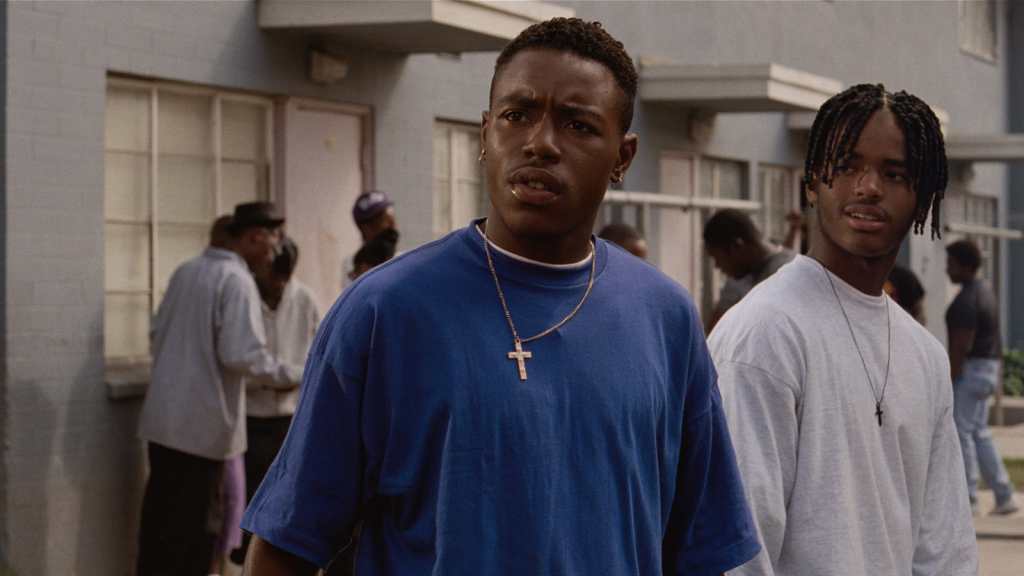
New Jack City, Menace II Society, and later Paid in Full and The Wire all had a message in them. The streets do not love you. The ones who rise the highest fall the hardest. The game is rigged, and the outcome is always the same. These were not fairy tales. They were cautionary tales wrapped in brilliant performances and unforgettable lines. The lesson was clear. Walk away while you still can.
That is not what people took from them.
The characters became legends. Money, power, and control over life and death became the focus. Nino Brown throwing his boy off a rooftop became a lesson in leadership, not betrayal. O-Dog became a standard for not folding under pressure, not a walking tragedy with no future. Ace, Mitch, and Rico were studied like blueprints, but the caution in their story was ignored. The conversations were never about how the streets swallowed them whole. They were about who had the most heart, held it down the longest, and made the most money before it all crumbled.
There are memes that rank these characters as all-time greats. There are debates about who was the hardest, who was the realest, and who had the most memorable moments. The appreciation is not about the warning in these movies. It is about the myth that continues to shape how people see the streets. The glorification does not come from the ones who survived. It comes from those who watched from a distance and fell in love with the image.
The truth is that the streets were never a choice for many. They were born into it, backed into corners with no way out. The war on drugs and mass incarceration made sure of that. Those who avoided the life were labeled squares. Those with dreams outside of hustling were clowned for thinking beyond their block. Proving you belonged became more important than figuring out how to leave.
Most of the survivors wish they had been squares. They look back and see the ones who got out, who never had to make a name for themselves in the worst ways. The kids who were called lame for staying in school are now free, moving through life without looking over their shoulders. The ones who played the game are locked up, gone, or trying to outrun the past.
The lesson was always there, and the caution was clear. The problem is that people stopped seeing these stories as warnings and started seeing them as instruction manuals. The culture took survival stories and turned them into fantasies. The pain became a badge of honor instead of a reminder of what needed to change.
It is time to let the myth die. There is nothing weak about avoiding the streets. Nothing is soft about not proving yourself to people who will not be there when the consequences come. The next generation deserves better. It is not about proving you belong. It is about knowing you never had to.
 Thoughts Processed