

The backlash against Diversity, Equity, and Inclusion (DEI) initiatives has taken on a peculiar focus. It is no longer framed as a general critique of equity efforts. Instead, it has become a targeted campaign, one that feels directed almost exclusively at Black people. For instance, black women, in particular, are catching the most heat despite being the most educated demographic in this country. Their success should be celebrated, yet it is questioned, undermined, and dismissed as the undeserved byproduct of handouts.

This narrative is not just harmful. It is absurd.
The truth, which is conveniently ignored, is that DEI programs have overwhelmingly benefited white women. Study after study has confirmed this fact (Forbes). Yet when corporations and universities are accused of hiring or admitting candidates based on race rather than merit, it is Black women who are most often placed on trial. They are the ones whose achievements are picked apart, as if their success could not possibly be the result of talent, resilience, and hard work.
Black Women at the Center of the Storm
This is not a new phenomenon. Black women have always been expected to prove their worth in ways others are not. Unlike white women, who historically had the privilege of staying home while their husbands worked, Black women have always been part of the labor force. The economic realities of slavery, Reconstruction, and Jim Crow forced Black women into roles that made their labor essential. In the late 19th century, nearly 80% of single Black women worked outside the home, compared to only 23.8% of single white women (Wikipedia). Their labor was not a choice. It was a requirement for survival. Yet, in the face of such adversity, Black women have shown remarkable resilience and strength.
Even as white women began entering the workforce in greater numbers in the 1970s, Black women remained overrepresented in service jobs. Nearly a third of Black women were employed in service roles, compared to just one-fifth of white women (Economic Policy Institute). While white women were granted access to new opportunities through affirmative action and women’s rights movements, Black women continued to face occupational segregation and racial discrimination.
In modern times, Black women have risen to become the most educated group in the country, leading in degrees earned across multiple levels (Census). This should be a moment of collective celebration, an acknowledgment of the resilience, intelligence, and ambition that has propelled them forward. Black women have made significant contributions to various fields, from science to the arts, and their achievements should be recognized and celebrated. Instead, it has made them a target.
Rather than being recognized for their accomplishments, Black women are accused of being “diversity hires,” as if their credentials, experience, and expertise are not enough. They are subjected to a level of scrutiny that their white counterparts, who have historically gained the most from DEI programs, do not face. The irony is glaring, yet it goes unaddressed in mainstream discourse.
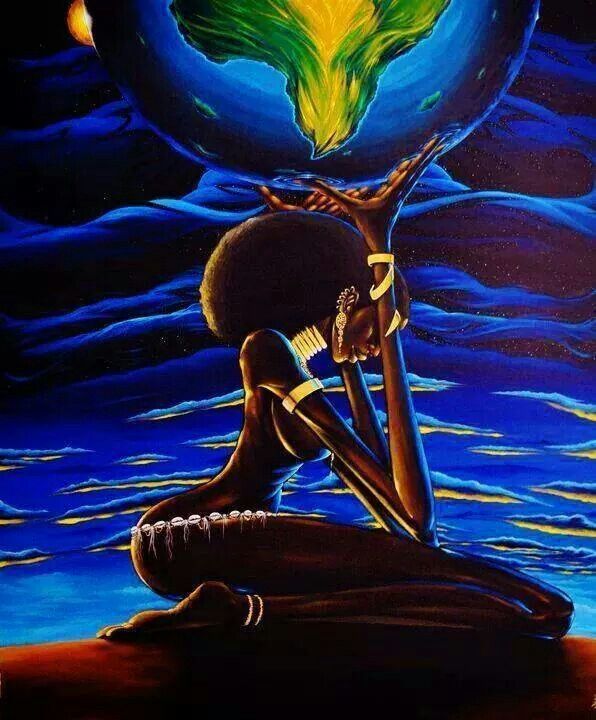
The Weight of Doubt
Skepticism toward Black success is relentless. I have experienced it firsthand. I know that a DEI initiative helped me access education, and I have no shame in that. What I also know is that I worked harder than many of my peers to prove I belonged. I earned my place. I excelled in that environment, not because of my skin color but because of my ability. I was recognized as a Husky 100 recipient for my work, not as some symbolic gesture of diversity.
Black women face these doubts at an even greater level. They are forced to navigate a world that assumes their presence is a gift rather than an achievement.
This is the burden Black women carry. They do not simply have to succeed. They have to succeed while proving, over and over, that their success is real.
The Cost of Dismissing Black Success
It is exhausting to have to justify achievement. It is maddening to be expected to prove that you belong repeatedly. This is the reality that educated Black people face, especially Black women. They do not have the privilege of being average. They must be exceptional, and even then, their excellence is questioned.
The backlash against DEI is not about fairness. It is about fear. It is about the discomfort of a system that is finally being forced to acknowledge talent in places it once ignored. The same policies that allowed white women to enter spaces they were historically excluded from are now being reframed as unfair because Black people, especially Black women, are thriving. This is not just a matter of inequality, it is a blatant injustice.
This is not about whether DEI should exist. This is about the fact that Black success has never been welcomed without resistance. It’s time for a shift in perspective. Instead of viewing Black success as a threat, we should see it as a testament to their brilliance, resilience, and ability to rise above systems that were never built for them.
A Call to Recognize, Not Just Defend
Black women are not asking for special treatment. They are demanding recognition for what they have already accomplished. Their success is not a threat. It is a testament to their brilliance, resilience, and ability to rise above systems that were never built for them.
To dismiss their success is to erase history. It is to ignore the centuries of work, struggle, and sacrifice that brought them here. It is to deny their humanity.
The weight they carry does not belong to them alone. It is time we acknowledge it, recognize it, and celebrate the undeniable truth: Black women belong wherever they choose to be.
 Thoughts Processed