

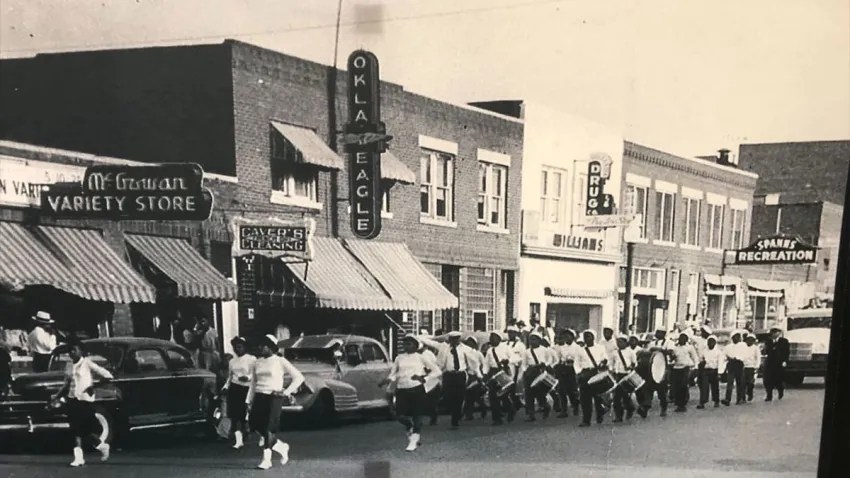
Tulsa’s Greenwood District, known as Black Wall Street, is often framed as an anomaly in American history. It was not. Across the United States, Black Americans built thriving towns, economic centers, and cultural strongholds that stood as testaments to resilience, entrepreneurship, and self-sufficiency. These were not fleeting moments of success. These were sustainable communities that flourished despite systemic racial oppression and the barriers deliberately placed before them. They were proof that Black America was never waiting for handouts, never idle, never dependent on white institutions for survival.
These towns should be common knowledge, yet they remain hidden in the margins of history. School curriculums celebrate the economic rise of industrial titans such as Carnegie and Rockefeller but omit the stories of Black entrepreneurs who built banks, railroads, and business empires that rivaled their white counterparts. The destruction of these communities is treated as an unfortunate consequence of time rather than the result of deliberate, calculated white terrorism. These communities were not simply lost. They were destroyed by people who saw Black economic power as a threat to the racial hierarchy that defined American society.
History books sanitize the reality of racial violence, reducing massacres to footnotes and ignoring the policies that reinforced the economic subjugation of Black people long after slavery ended. The truth is much darker than the narrative America chooses to tell. These communities were wiped out with fire, bombs, and bullets. When angry white mobs no longer burned cities to the ground, economic policies were rewritten to achieve the same goal through legal means. The blueprint for Black prosperity existed, and America set out to dismantle it at every turn.
White terrorism, economic sabotage, and government-sanctioned policies ensured that these communities would not survive. Black Americans pursued economic independence in ways that should have altered the nation’s trajectory. Time and again, their success was met with violence, displacement, and strategic destruction. Entire towns were burned to the ground, businesses were systematically denied access to capital, and highways were built directly through prosperous Black districts. White America did not merely resist Black prosperity. It launched an all-out assault against it.
These communities could have been the foundation of generational Black wealth. They could have redefined American capitalism, proving that racial equity in economic opportunity was possible and necessary. Instead, the history of these places has been buried beneath concrete highways and gentrified storefronts. Their names are unfamiliar to most Americans, and their legacies are intentionally erased.
Why are we not taught about these communities? Why is the destruction of Black wealth not recognized as a critical moment in American history? White violence is not limited to individual acts of hate. It is woven into economic policy, land ownership laws, and city planning. The destruction of Black Wall Streets across America is not simply history. It is a living reality that continues to shape the racial wealth gap, homeownership rates, and access to capital for Black entrepreneurs today.
This is not just a story of what was lost. It is a story of what was stolen. The obliteration of these communities was not accidental. It was intentional, methodical, and devastatingly effective. Black America built. White America destroyed. The question remains: how many times will this nation erase Black prosperity before it acknowledges the truth?
The Well-Known Black Wall Streets: Hubs of Black Economic Power
Greenwood District, Tulsa, Oklahoma (Black Wall Street)
Greenwood was an economic powerhouse. More than 600 Black-owned businesses flourished here, including banks, grocery stores, hotels, law offices, and medical practices. The circulation of Black wealth was unmatched. Money remained within the community multiple times before leaving, which allowed businesses to grow, increased land ownership, and expanded financial security across generations.
Figures such as O.W. Gurley and J.B. Stradford built million-dollar enterprises in an era when Black economic success was considered a threat to white supremacy. The success of Greenwood made it a target. In 1921, white mobs, supported by local law enforcement, launched one of the most devastating acts of racial terrorism in American history. Airplanes dropped firebombs, businesses were looted, and hundreds of Black residents were murdered. The destruction left more than 1,200 homes and 600 businesses in ruins. Insurance companies refused to compensate the victims, ensuring that the generational wealth that Greenwood had built would not be passed down.
Rosewood, Florida
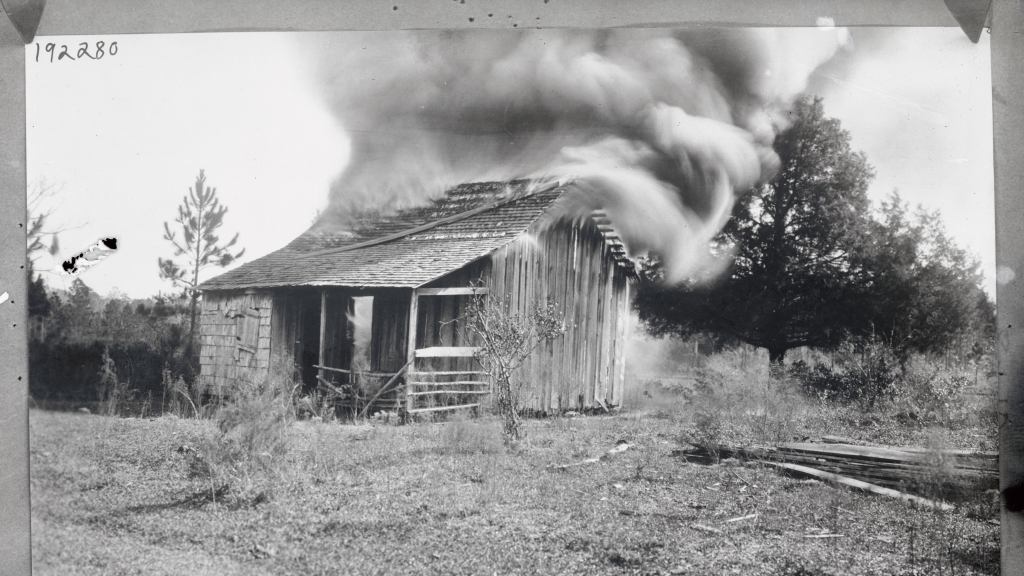
Rosewood was a self-sufficient Black town in Florida that had built a thriving economy through the timber and turpentine industries. Black families owned businesses, homes, and land, creating an independent community that did not rely on white economic structures for survival.
A white woman’s false accusation against a Black man set off a wave of white mob violence in 1923. The town was burned to the ground, and Black residents were massacred or forced to flee. Generations of Black wealth were lost as land and businesses were stolen. The town was never rebuilt.
Durham, North Carolina – The Hayti District
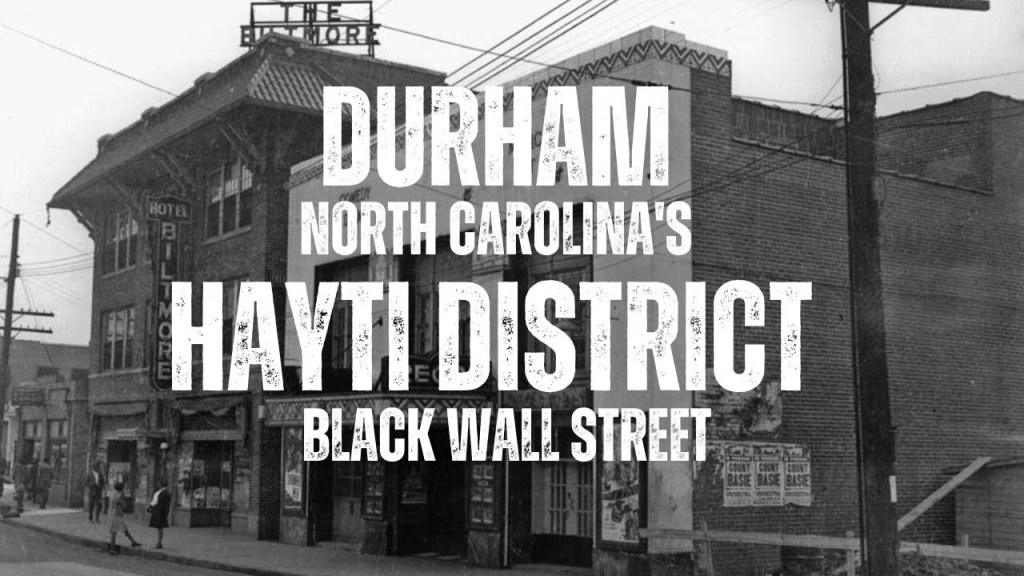
Durham’s Hayti District was a financial stronghold. It was home to North Carolina Mutual Life Insurance Company, Mechanics and Farmers Bank, and a business district filled with Black-owned retail stores, real estate companies, and service providers. Entrepreneurs built a self-sustaining economy that allowed Black residents to accumulate wealth despite segregation and racist economic policies.
Urban renewal projects in the 1950s and 60s decimated the district. A highway was constructed directly through the heart of Hayti, forcing Black families to relocate and destroying businesses that had been economic pillars of the community.
Sweet Auburn, Atlanta, Georgia
Sweet Auburn was one of the richest Black neighborhoods in the country. The district was home to Black millionaires, civil rights leaders, and institutions that made economic self-sufficiency a reality. Ebenezer Baptist Church, where Dr. Martin Luther King Jr. preached, stood at the heart of this thriving community.
The government approved the construction of Interstate 75/85 through Sweet Auburn in the 1950s. Black businesses lost foot traffic, property values plummeted, and economic stability collapsed. The once-thriving district fell into decline.
Bronzeville, Chicago, Illinois
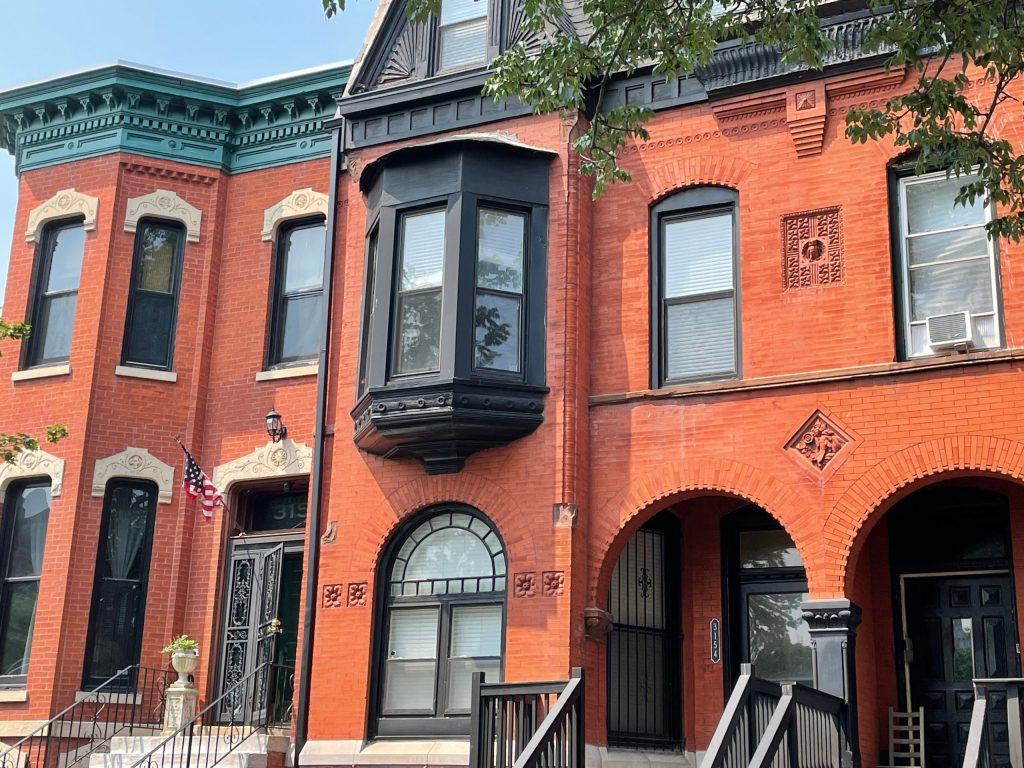
Bronzeville was a beacon of Black culture and commerce. It was home to the Chicago Defender newspaper, which played a key role in encouraging Black families to flee the South during the Great Migration. The Supreme Life Insurance Company, one of the largest Black-owned insurance firms, ensured that Black families had access to financial security.
Government policies systematically choked Bronzeville’s economic growth. Redlining made it nearly impossible for Black families to secure home loans, and highway construction displaced Black businesses. The neighborhood, once a thriving economic engine, struggled to survive.
U Street Corridor, Washington, D.C. – Black Broadway
U Street was a center of Black business, music, and activism. The district’s theaters and clubs hosted performances from legends such as Duke Ellington and Ella Fitzgerald. Black-owned businesses lined the streets, offering goods and services to a thriving Black middle class.
Gentrification and government disinvestment drained the wealth from U Street. The cultural institutions that had once made it the Harlem of Washington, D.C., were pushed aside in favor of commercial redevelopment that did not prioritize Black ownership.
The Lesser-Known, Yet Just As Important, Black Towns
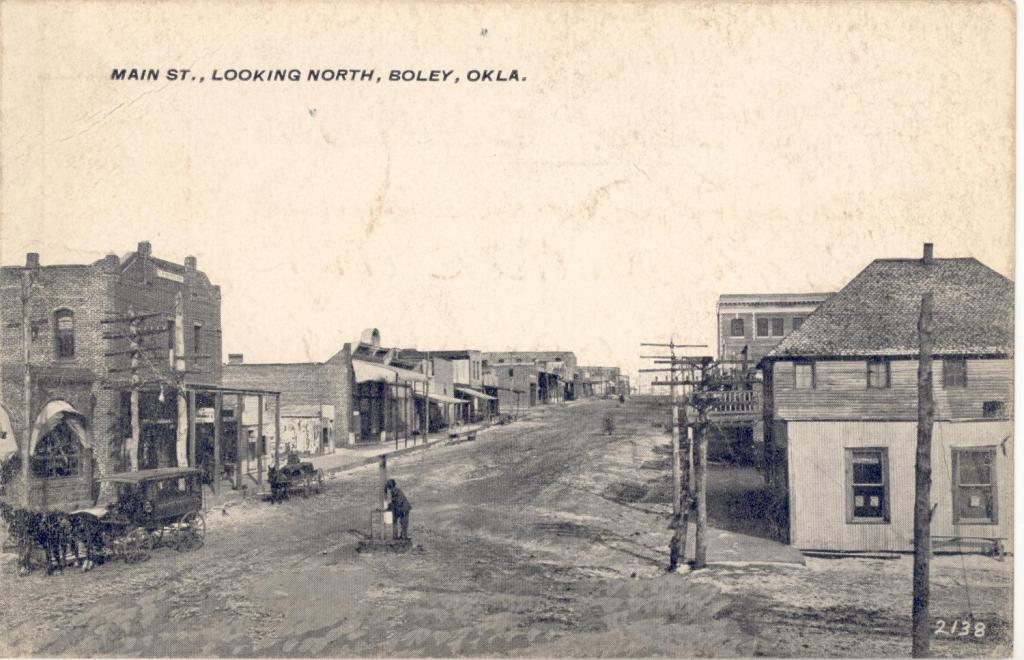
Boley, Oklahoma – A City of Black Entrepreneurship
Boley was a rare success story. The town had two colleges, its own electric and water plants, and a nationally chartered Black-owned bank. Black farmers, business owners, and educators created an economy independent of white institutions.
A group of white criminals attempted to rob the Boley Bank in 1932, expecting no resistance. The residents defended their town, killing two of the robbers and maintaining control of their wealth. Despite this resilience, economic pressures and systemic racism led to the town’s decline.
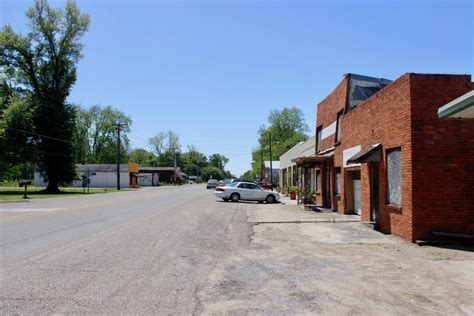
Mound Bayou, Mississippi – A Model of Black Self-Governance
Mound Bayou was founded in 1887 by formerly enslaved people. It was one of the most successful self-governing Black communities in the South. Black doctors, educators, and entrepreneurs built a thriving economy with its own schools, hospitals, and businesses.
Jim Crow laws and segregation made it difficult for Mound Bayou to sustain its independence. Systemic disinvestment and economic isolation gradually weakened the town.
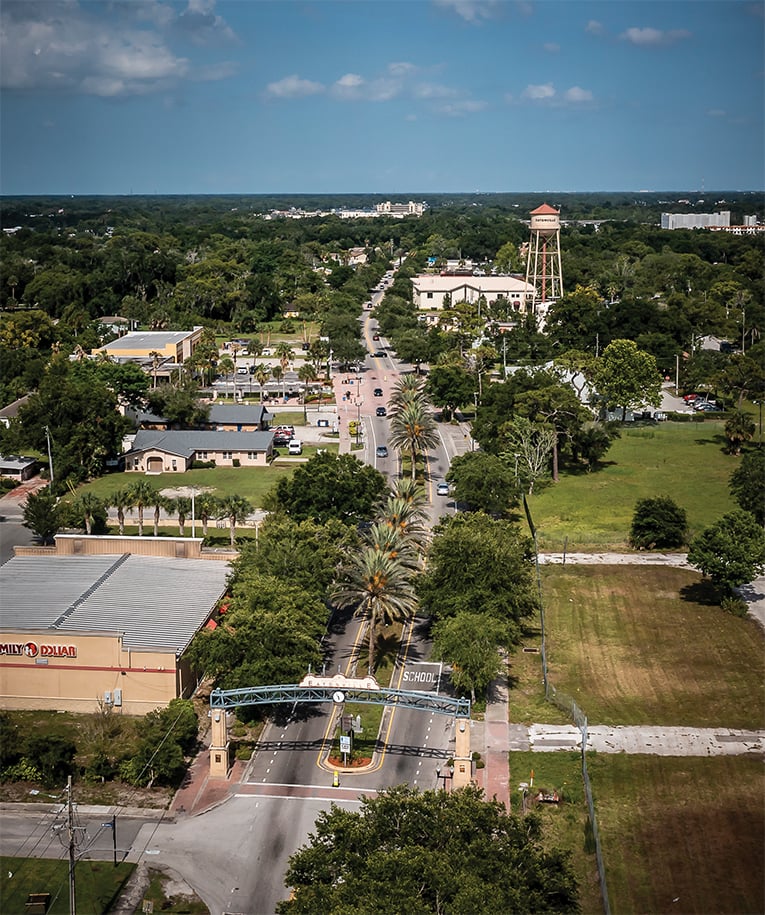
Eatonville, Florida – The First Self-Governing Black Town
Eatonville was the first self-governing Black municipality in the United States. Residents controlled their own government, schools, and businesses. The town is most famous for being the hometown of author Zora Neale Hurston.
Economic challenges and gentrification threaten Eatonville’s survival today. Rising property values have made it difficult for long-term residents to remain in the town.
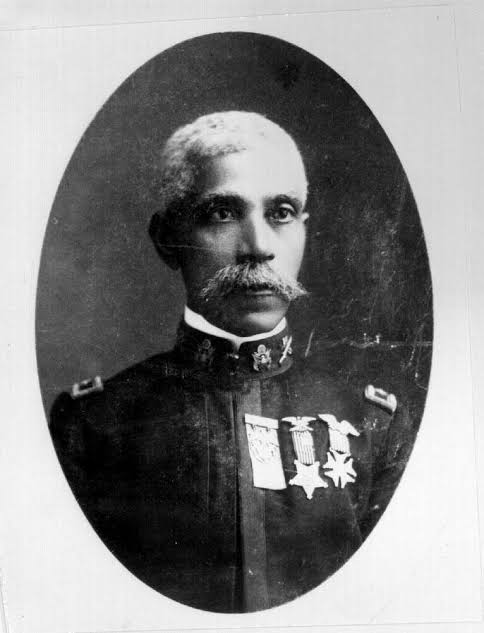
Allensworth, California – A Black Utopia Sabotaged by Water Theft
Allensworth was founded in 1908 by Colonel Allen Allensworth, a former enslaved man who envisioned an independent Black agricultural community in California. The town thrived, with Black farmers, schools, and businesses.
White officials diverted the town’s water supply, making it impossible for residents to sustain their economy. Without access to water, the town collapsed, and Black families were forced to abandon their homes.
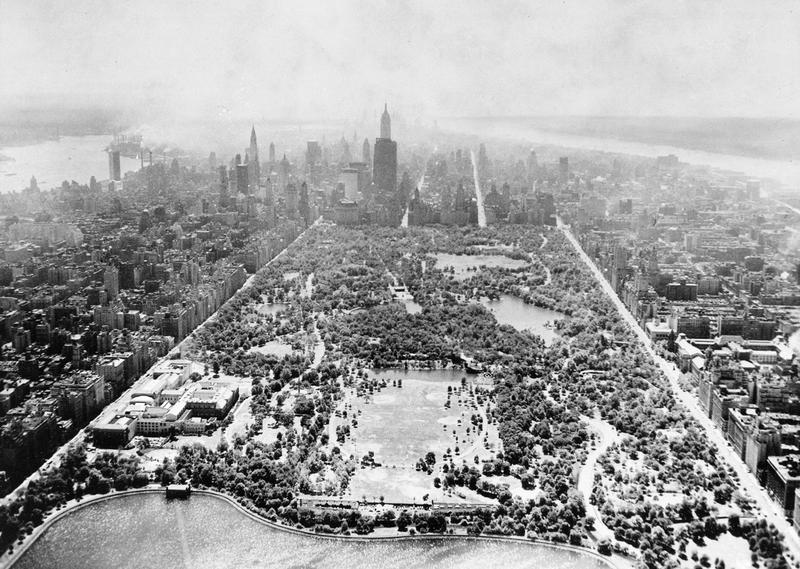
Seneca Village, New York City – A Black Community Erased for Central Park
Seneca Village was a prosperous Black community in Manhattan. Black families owned homes, businesses, and churches. The government seized the land through eminent domain, labeling it a slum to justify the destruction.
The land was cleared to make way for Central Park. Black families were forced to leave with little compensation, and the history of Seneca Village was buried beneath one of the most famous landmarks in America.

Blackdom, New Mexico – A Black Western Settlement Erased by Water Sabotage
Blackdom was founded in 1901 by Frank Boyer and other Black homesteaders seeking freedom from racial violence. The town thrived with successful farms, businesses, and schools. White officials diverted the town’s water supply, causing crops to fail and forcing residents to abandon their land.
Freedmen’s Town, Houston, Texas – A Black Cultural and Economic Center
After the Civil War, formerly enslaved people in Texas built Freedmen’s Town, a vibrant Black neighborhood. By the early 1900s, it had brick-paved streets, Black-owned businesses, and a thriving middle class. The government systematically weakened the town by allowing highway construction and disinvestment to push Black residents out.
Lincoln Heights, Ohio – A Black Town Undermined by White Expansion
Incorporated in 1946, Lincoln Heights was one of the first self-governing Black towns in the North. White suburban expansion and economic policies drained its resources, pushing it into decline.
The Systematic Destruction of Black Prosperity: White Terrorism and Economic Sabotage
These towns did not disappear. They were attacked. They were erased. The destruction of Black economic independence was neither accidental nor incidental. It was calculated, methodical, and executed through a multi-pronged strategy that combined direct violence, economic strangulation, legal theft, and government complicity. White terrorism did not manifest in chaotic uprisings but in strategic massacres, legislative maneuvers, and institutional policies designed to suffocate Black communities at every level. The goal was clear: ensure that Black Americans never had the opportunity to accumulate, sustain, or pass down wealth in a way that would challenge white economic hegemony.
Massacres – White Terrorism as Economic Warfare
The torching of Tulsa in 1921 was neither the beginning nor the end of this type of racial violence. White mobs, often backed by law enforcement and local officials, repeatedly unleashed violence against Black communities that had become too economically self-sufficient. These were not isolated acts of hatred; they were deliberate assaults on Black economic autonomy.
The Tulsa Race Massacre (1921): The Destruction of Black Wall Street
Greenwood, Oklahoma, was a thriving Black economic hub, but its prosperity made it a target. When a fabricated accusation against a Black teenager ignited white rage, mobs stormed into Greenwood, torching over 1,200 homes and 600 businesses. They used airplanes to drop firebombs, looted Black-owned stores, and murdered as many as 300 Black residents. The destruction caused over $200 million in economic loss when adjusted for inflation, and insurance companies refused to compensate survivors. The massacre was a brutal display of white resentment toward Black affluence.
The Rosewood Massacre (1923): A Town Wiped Off the Map
In Florida, the town of Rosewood was erased after a white woman falsely accused a Black man of assault. A white mob, numbering in the hundreds, burned the town to the ground, slaughtering residents, forcing survivors to flee, and ensuring that no Black person could return to reclaim what had been stolen. The town was never rebuilt.

The Wilmington Coup (1898): Overthrowing Black Political and Economic Power
Wilmington, North Carolina, was a rarity in the post-Reconstruction South. A Black-majority city with a thriving Black business district and Black elected officials. That was unacceptable to white supremacists. In 1898, armed white mobs carried out the only successful coup in American history, overthrowing the government, murdering Black residents, and replacing Black officials with white leaders. The Black middle class in Wilmington was systematically dismantled.
The Slocum Massacre (1910): Land Theft Through Violence
In Slocum, Texas, dozens of Black residents were murdered in an unprovoked attack by white mobs. Survivors were forced to abandon their homes, their land, and their businesses. The land they left behind was stolen and redistributed to white settlers.
These massacres were not spontaneous outbursts of racial hatred. They were calculated acts of economic warfare, a direct response to Black prosperity. White supremacists understood that economic power was just as crucial as political power, and they used white terrorism as a tool to maintain dominance.
Urban Renewal – The Government’s Role in Destroying Black Wealth
When outright massacres became politically unpalatable, new methods were developed to dismantle Black communities. This time, it was under the guise of progress and modernization. Urban renewal became one of the most effective weapons of economic warfare against Black America. Entire neighborhoods that had survived segregation and racial violence were targeted for demolition in the name of infrastructure development.
The Hayti District (Durham, North Carolina) – A Self-Sufficient Economy Destroyed
Durham’s Hayti District was one of America’s most affluent Black communities. It had Black-owned banks, insurance companies, and a thriving business sector that allowed Black residents to accumulate wealth despite racist economic barriers. In the 1950s and 60s, federal and state governments approved the construction of Highway 147, cutting directly through the heart of the district. The project displaced thousands of Black families and forced Black business owners to shut down. The once-thriving Hayti economy collapsed.
Sweet Auburn (Atlanta, Georgia) – The Destruction of Black Middle-Class Prosperity
Sweet Auburn was a district of Black millionaires, professionals, and entrepreneurs. It was home to some of the most influential Black leaders of the 20th century. When Interstate 75/85 was built in the 1950s, it split the district in half, devastating businesses relying on community foot traffic. The once-thriving economic corridor fell into decline.
Bronzeville (Chicago, Illinois) – How Highways Killed Black Business
Bronzeville was the economic and cultural heartbeat of Black Chicago. The community flourished through the Chicago Defender newspaper, Black-owned banks, and thriving insurance companies. Urban renewal policies systematically dismantled it. White policymakers approved highway construction projects that gutted the area, pushing out Black residents and turning what was once a beacon of Black economic success into an area struggling with disinvestment.
U Street Corridor (Washington, D.C.) – The Death of Black Broadway
U Street was a cultural and business powerhouse. It was where Duke Ellington and Ella Fitzgerald performed, and Black businesses flourished. By the mid-20th century, government disinvestment and gentrification led to its decline. What was once a stronghold of Black culture was systematically taken over by white developers, stripping the district of its historical identity.
Highways were not neutral infrastructure projects. They were deliberate strategies to break apart Black communities. White America did not need to burn down these towns anymore. Urban renewal did the job just as effectively.
Economic Sabotage – Starving Black Businesses of Capital
Even when Black communities managed to rebuild after massacres and urban renewal, they were still met with a powerful economic blockade. White-controlled financial institutions systematically denied loans to Black business owners, ensuring that even the most promising Black enterprises struggled to survive.
Redlining and the Denial of Capital
- The Federal Housing Administration (FHA) actively refused to insure mortgages in Black neighborhoods, making homeownership. A primary means of wealth accumulation—nearly impossible for Black families.
- Black business owners were routinely denied loans from white banks, cutting off access to expansion, investment, and economic security.
- Insurance companies refused to provide coverage to Black businesses, preventing them from recovering from economic downturns or property destruction.
White banks did not need to destroy Black businesses physically. They ensured they never had the financial support to grow.
Eminent Domain – The Legalized Theft of Black Land
When white officials could not burn down Black towns or strangle them financially, they turned to eminent domain. This legal mechanism allowed the government to seize Black-owned land under the pretense of public development.
Seneca Village (New York City, 1857) – A Thriving Black Town Buried Beneath Central Park
Seneca Village was a Black-owned community in the heart of what is now Central Park. Families owned homes, businesses, and churches. The government used eminent domain to seize the land, forcing residents out with minimal compensation and erasing the town from history.
Bruce’s Beach (California, 1920s) – A Black-Owned Resort Stolen
Bruce’s Beach was a thriving Black-owned beachfront resort in Manhattan Beach, California. White residents and city officials conspired to seize the land under false pretenses, citing “public use” needs that were never fulfilled. For nearly 100 years, the land remained in the hands of the city. It was not returned to the Bruce family until 2022.

Lake Lanier (Georgia, 1950s) – A Black Town Drowned
Lake Lanier covers what was once Oscarsville, a prosperous Black town. White officials forcibly removed Black residents, flooded the land, and built a reservoir over it, ensuring that what was once a thriving community was permanently erased.
Eminent domain allowed white officials to accomplish legally what white mobs had once done violently: steal Black land and prevent Black economic power from taking root.

What This Means Today
The destruction of Black economic centers was not simply about racism in its most basic form. It was about ensuring that Black people would never have the opportunity to accumulate, sustain, and pass down wealth. White terrorism, economic sabotage, and government policies that prioritized white advancement at the direct expense of Black communities created the conditions that define the racial wealth gap today. Black America did not fail. It was actively and repeatedly undermined.
The erasure of these thriving Black towns has had generational consequences. The economic foundation that could have propelled millions of Black families into financial security was stolen. The legacy of these acts of terror and economic warfare remains visible in every measure of economic disparity between Black and white Americans. The effects of these events were not contained in the past. They reverberate through present-day inequalities that continue to disadvantage Black communities in housing, employment, business ownership, and overall financial security.
The Racial Wealth Gap Remains Massive
Black families in America today have, on average, one-tenth the wealth of white families. This disparity is not a result of laziness, poor financial habits, or cultural deficiencies. It is the direct result of policies, violence, and systemic barriers that prevented Black people from accumulating wealth at the same rate as their white counterparts.
When white families were given access to federally subsidized home loans after World War II, Black families were denied those same benefits. When white families were allowed to build wealth through property ownership, Black families had their land stolen, burned, or bulldozed in the name of progress. When white businesses were given access to capital, Black business owners were locked out through discriminatory lending practices.
The median Black household has a fraction of the wealth of the median white household because of these policies. This gap did not appear out of nowhere. It is the direct result of wealth taken, prosperity dismantled, and systemic exclusion that continues to this day.
Black Homeownership Rates Are Significantly Lower
Black homeownership rates remain disproportionately low, not because Black families do not value property ownership but because they were historically denied the opportunity to own homes and build equity. Generations of Black people lost their land due to racial violence, predatory lending, and redlining. White mobs did not just burn Black homes. They burned the generational wealth that homeownership would have provided.
The federal government played a direct role in this suppression. The Federal Housing Administration (FHA) refused to insure mortgages in Black neighborhoods, ensuring that Black families remained renters rather than homeowners. The GI Bill, which helped create the white American middle class, was largely inaccessible to Black veterans who were denied loans for housing and education.
These policies resulted in Black families being locked out of one of the most effective means of generational wealth-building. Even today, Black homeowners face higher interest rates, lower appraisal values, and predatory lending practices that continue to erode Black wealth. The ripple effect of these historic and ongoing injustices keeps Black families from passing down assets that could create long-term financial security.
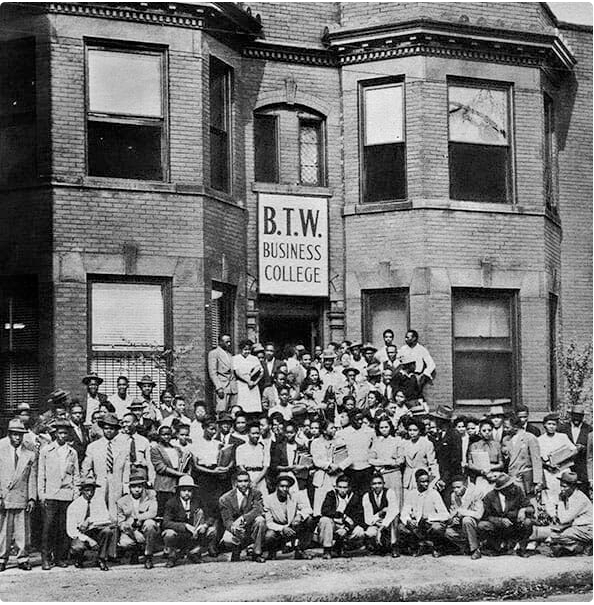
Black Businesses Continue to Struggle for Access to Capital
The same banking institutions that denied loans to Black business owners in the past continue to reject Black entrepreneurs at disproportionately high rates today. Black business owners receive less funding and face higher interest rates than their white counterparts. Banks that refused to serve Black businesses a century ago still find ways to shut them out of the financial system.
Venture capital funding overwhelmingly favors white-owned businesses. Black entrepreneurs are underrepresented in the start-up economy, not because they lack innovative ideas but because they are systematically denied the same financial opportunities. The companies that could have grown into generational empires were suffocated before they had the chance to expand.
The historical destruction of Black business districts ensured that Black people would struggle to build self-sustaining economic ecosystems. Greenwood, Rosewood, and Hayti were not just individual success stories. They were economic models that proved that Black communities could thrive when given the opportunity. Their destruction sent a clear message that Black economic independence would not be tolerated. That message still echoes in the challenges Black business owners face today.
The Ongoing Theft of Black Communities Through Gentrification
The destruction of Black towns did not end with firebombs and massacres. The same displacement that wiped out Seneca Village in the 1800s and bulldozed Hayti in the 1950s continues today as gentrification. Black neighborhoods that were neglected for decades are suddenly considered prime real estate. White developers move in, property values skyrocket, and Black residents are priced out of the very communities they built.
The cycle of displacement continues. The land that was once stolen through white terrorism is now stolen through economic pressure. Black families are pushed out, and the wealth they could have gained through homeownership is instead transferred to wealthier white buyers. The same cities that refused to invest in Black neighborhoods now attract white residents with luxury developments and high-end businesses. Black communities that survived decades of neglect are erased in a matter of years.
The Systemic Suppression of Black Political and Economic Power
The destruction of these towns was never just about economics. It was about power. White supremacists understood that economic independence translated into political influence. Black communities that had their own banks, schools, and institutions were not dependent on white benefactors. They could vote, organize, and advocate for policies that benefited their people. That autonomy was a threat.
The Wilmington Massacre of 1898 was not just an economic attack. It was a political coup that overthrew a Black-led government. The destruction of Greenwood was not just about looting Black businesses. It was about ensuring that Black wealth would never challenge white dominance. The attacks on these communities were deliberate attempts to cripple Black self-sufficiency and maintain white control.
Those efforts continue today in the form of voter suppression, economic disinvestment, and policies that disproportionately criminalize Black entrepreneurs. The same forces that destroyed Black Wall Streets have evolved. Still, the goal remains the same: prevent Black communities from achieving economic and political self-determination.
The Myth That Black People Never Built Wealth Must Die
The narrative that Black people have failed to build generational wealth is a lie. Black communities built. They built over and over again. Each time, white America burned it down, bulldozed it, or systematically dismantled it. The idea that Black people did not work hard enough, did not invest wisely, or did not prioritize economic development ignores the reality of history. Black economic success was not only discouraged. It was violently destroyed.
Black entrepreneurs did not lack business skills. Racist policies shut down their businesses. Black homeowners did not fail to buy property. Their land was stolen. Black investors did not refuse to build wealth. They were denied access to capital. Black families did not simply fall behind. They were actively pushed back at every opportunity.
The Question That Remains – What Does Repair Look Like?
Acknowledging this history is not enough. The effects of these actions have not stayed in the past. They shape the present in ways that continue to harm Black families and communities.
- What does justice look like for families whose generational wealth was stolen?
- What should happen to the banks that denied Black entrepreneurs the opportunity to build capital?
- What is the responsibility of local and federal governments that sanctioned these acts of economic warfare?
The answer cannot be empty apologies or symbolic gestures. The destruction of these communities caused actual financial loss, generational setbacks, and continued economic disadvantage. The damage was deliberate, and repair must be just as intentional.
The refusal to address this theft ensures that Black Americans remain at a permanent economic disadvantage. Any discussion about racial equity must include reparations for the destruction of Black prosperity. The land was stolen. Homes were burned. Businesses were destroyed. Money was taken. The consequences still shape Black life today.
Black wealth was built. White America destroyed it. The question remains: what is America willing to do to make it right?
 Thoughts Processed