

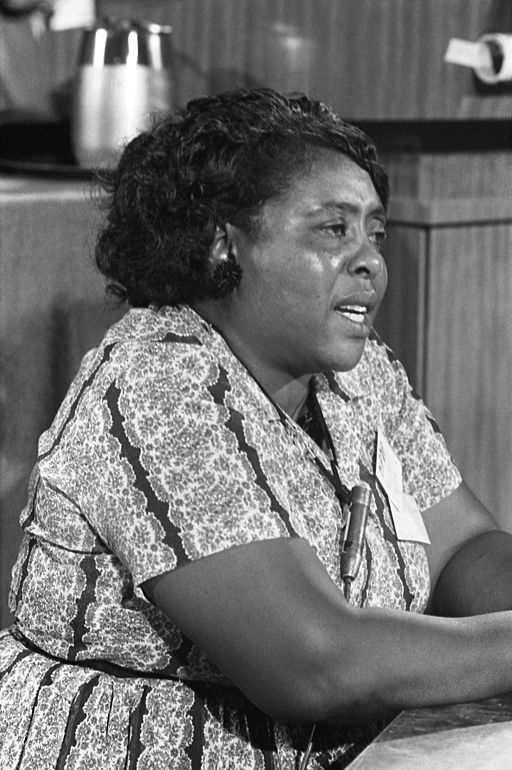
“I am sick and tired of being sick and tired.”
America has never been kind to the truth-tellers. It has never honored those who force the nation to confront its own hypocrisy. It celebrates the illusion of democracy while silencing those who demand it be made real. Fannie Lou Hamer did not ask to be an activist. She was not born into politics, wealth, or a world that saw her as anything other than a tool for labor. She was born into a country that built itself on her suffering, a land that counted her body as property long before it considered her voice.
She refused to stay in her place.
Hamer was the 20th child of Mississippi sharecroppers, raised in the fields where Black bodies bent under the weight of cotton sacks. She started picking at six, her small hands learning early what it meant to serve an economy that would never serve her in return. Her life was dictated by white landowners, by wages that barely fed her family, by the knowledge that no matter how hard she worked, she would never own the soil beneath her feet.
Yet in 1962, at the age of 44, she learned something that changed everything. She learned that she had the right to vote.
A War for Democracy
Hamer traveled with 17 others to the county courthouse to register. They were met with laughter, contempt, and barriers designed to keep them powerless. Literacy tests were given not to measure their knowledge but to deny their rights. Threats were whispered, warnings disguised as simple truths. If they voted, they would lose everything.
Hamer registered anyway.
That night, she was fired from the plantation where she had worked for nearly two decades. Her home was no longer hers. White men rode by her house, shotguns in hand, daring her to step outside. She understood then what Black Americans had always understood. The right to vote was more than a mark on a ballot. It was a declaration of personhood. It was an act of war.

They Tried to Break Her. She Refused to Bend.
In 1963, she was arrested while returning from a voter education workshop. She was taken to a Mississippi jail. After being kidnapped by police, Hamer was subjected to severe physical abuse. According to historical records, two Black inmates, under orders from white officers, were compelled to beat her. She was brutalized until she could no longer walk, until her kidneys were permanently damaged, and until the blood clot in her eye made it difficult to see. She was left on the cold jail cell floor, her body broken but her spirit intact.
She did not stop.
Hamer co-founded the Mississippi Freedom Democratic Party in 1964, challenging the all-white Democratic delegation at the National Convention. She stood before the nation and told the truth about America. She described the beatings, the killings, the daily terrorism that met every Black person who dared to vote. President Lyndon B. Johnson, fearing the damage her words could do, interrupted the broadcast with a hastily scheduled press conference. He could not stop her testimony from reaching the people.
The nation heard her!
She Did Not Just Fight for Voting Rights. She Fought for Black Women’s Liberation.
Voting was only one battle in the war for Black freedom. Hamer knew that oppression had many faces. She knew that poverty was a weapon just as sharp as any whip. She knew that white supremacy was not only in the courthouse but in the hospital, where Black women’s bodies were controlled without their consent.
In 1961, while undergoing surgery to remove a tumor, a white doctor sterilized Hamer without her knowledge or permission. This was not an accident. It was a practice so common in the South that it had a name. The Mississippi appendectomy was a procedure forced upon Black women, a way to control the birth of future generations.
She never had another child.
Hamer refused to suffer in silence. She spoke about her sterilization, exposing yet another way the state-controlled Black life. She fought for Black women’s reproductive rights. She demanded an end to forced sterilizations, medical abuse, and a system that saw Black women as bodies to be used rather than people to be protected.
She understood that power came not just from the ballot box but from the land itself. In 1969, she founded the Freedom Farm Cooperative, a program designed to give Black families land ownership. She also built housing programs, food assistance, and education initiatives. She knew that freedom was more than just a right. It was land, control, and self-determination.
The Legacy They Tried to Bury
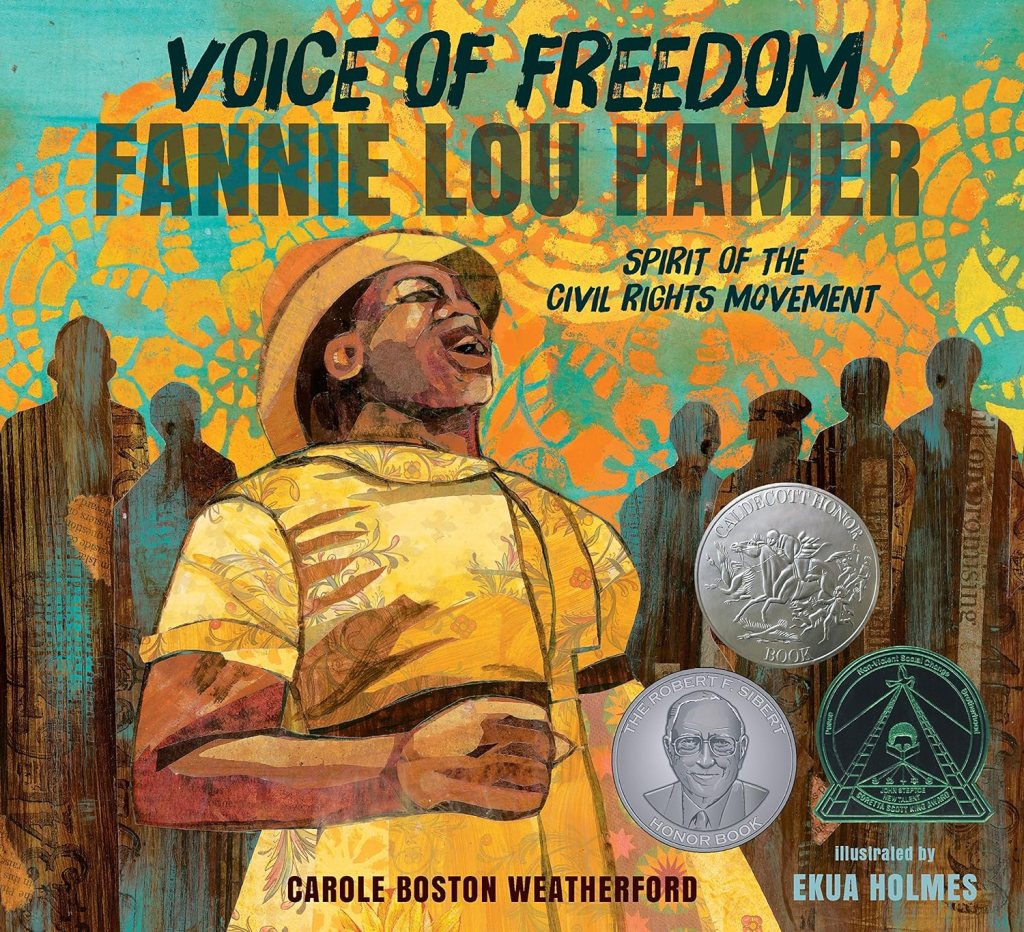
Fannie Lou Hamer was not a hero America wanted to remember. She did not fit into the sanitized version of civil rights history, the version that praises peaceful protest while ignoring the raw violence Black people endured. She did not ask for permission. Hamer did not seek approval. She spoke plainly, directly, and with a fire that no one could extinguish.
She was beaten. She was jailed. She was sterilized against her will. The government surveilled her. She was shut out of politics by men who claimed to be allies. She was punished for daring to fight for freedom.
She never stopped.
What Does This Mean Today?
America has changed. America has not changed at all.
Black women are still fighting for control over their own bodies. Voter suppression is still a weapon used to keep Black people from the polls. Poverty is still a tool of oppression, keeping Black communities dependent on systems that were never built for them. The same tactics that were used against Hamer are still being used today.
The question is not whether things have improved. The question is how much of the system Hamer fought against still remains.
The question is whether we are willing to continue her fight.
 Thoughts Processed