

The History and Prestige of the Dunk Contest
The Slam Dunk Contest was never just about the types of dunks performed. It was about who was dunking. The excitement, energy, and cultural significance of the contest have always been tied to the players participating.
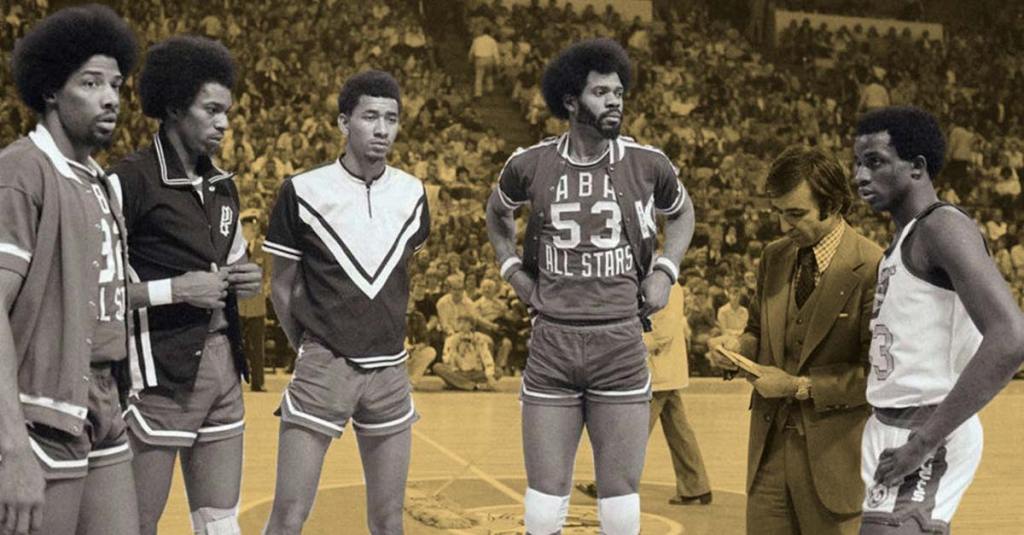
When the ABA announced its ninth and final All-Star Game in 1976, the League wanted to go out with a bang. Seeking to showcase the best of what made the ABA unique, executives Jim Bukata, Carl Scheer, and Jim Keeler came up with the idea of a Slam Dunk Contest. The inspiration came directly from Julius Erving, the ABA’s premier high-flyer. Dr. J’s ability to soar through the air in ways never seen before made the ABA realize it was the League of Dunkers. They decided to highlight this strength in a contest, forever changing the sport.
Julius Erving cemented his legacy by winning that first contest, defeating Artis Gilmore, George Gervin, Larry Kenon, and David Thompson. His free throw line dunk sent the 17,798 fans at McNichols Arena into a frenzy. That moment set the tone for future contests, proving that dunking was more than just a basketball move. It was an art form.
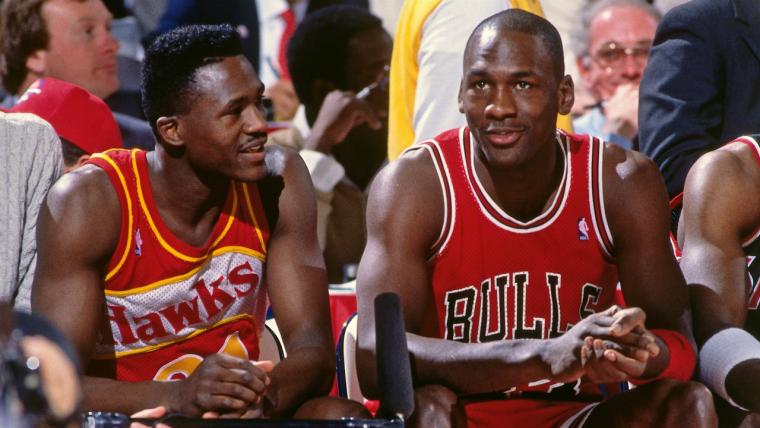
When Michael Jordan and Dominique Wilkins squared off in epic battles, it was not just about their vertical leaps or windmills. It was about two of the League’s biggest stars putting everything on the line. When a young Kobe Bryant dominated the contest in 1997, it was a sign that the next great superstar had arrived. When Vince Carter took center stage in 2000, he redefined what was possible in a dunk contest. His performance, featuring the iconic 360 windmill and elbow dunk, set a new standard for creativity and dominance, reminding fans why the contest mattered.
That is what made the dunk contest special. Superstars competing on the biggest stage proved that they were great not just in games but also in the art of dunking. The contest was not just a spectacle. It was a rite of passage.
The Decline: A Superstar Absence
LeBron James changed the game, not by participating but by refusing to. Despite being one of the most athletic players the League had ever seen, LeBron never entered a dunk contest. He was not the first star to decline, but he was the first megastar to break the tradition so definitively. His decision set a precedent. The dunk contest was no longer a must-do event for superstars.
This would be the equivalent of Stephen Curry never participating in the Three-Point Contest. Imagine Curry, the greatest shooter of all time, saying, “I do not need to prove anything,” and opting out every year. It would have stripped the event of its legitimacy. Instead, Curry embraced it, won multiple times, and ensured the Three-Point Contest remained a marquee event.
Now, look at the dunk contest today. Anthony Edwards, Ja Morant, and Zion Williamson are the ideal successors to the legends who came before them. They refuse to compete, not because they are not capable, but because the culture has shifted. Superstars do not feel obligated to carry on the tradition. The contest is left in the hands of role players and G Leaguers. While entertaining, it lacks the same star power. Mac McClung is an incredible dunker, but his dominance in the contest highlights the issue. It is not about the dunks. It’s about who is dunking.
A Larger Problem: The NBA’s Disconnect From Tradition
This reflects a larger issue in today’s NBA, a lack of respect for tradition. Unlike MLB and the NFL, where players and fans continue to honor the game’s history, the NBA has failed to uphold its legacy. Records set by legends like Wilt Chamberlain are often ignored, and past generations are frequently dismissed. In baseball, Babe Ruth’s era players are still revered, even with the sport’s past exclusion of Black athletes. While that history is problematic, MLB still embraces its origins and respects the contributions of past greats. The NBA, however, has struggled to maintain that connection.
Kobe Bryant’s untimely passing may have exacerbated this issue. He was one of the strongest advocates for honoring the game’s history and bridging the gap between generations. His influence ensured that respect for tradition remained a part of the NBA’s culture. Without figures like him leading the charge, the League has moved further away from its roots.
Restoring the Dunk Contest and the NBA’s Legacy
The solution is for the League and its players to restore the dunk contest’s prestige. If Ja Morant, Zion Williamson, or Anthony Edwards stepped up and competed, it would send a message: The stars are back. It would instantly elevate the contest, make it relevant again, and ensure that it remains a staple of NBA All-Star Weekend.
Fans do not just want great dunks; they want to see great players dunking. Until the League’s biggest stars reclaim their place in the contest, the dunk contest will remain a sideshow rather than the must-watch event it once was.
 Thoughts Processed