

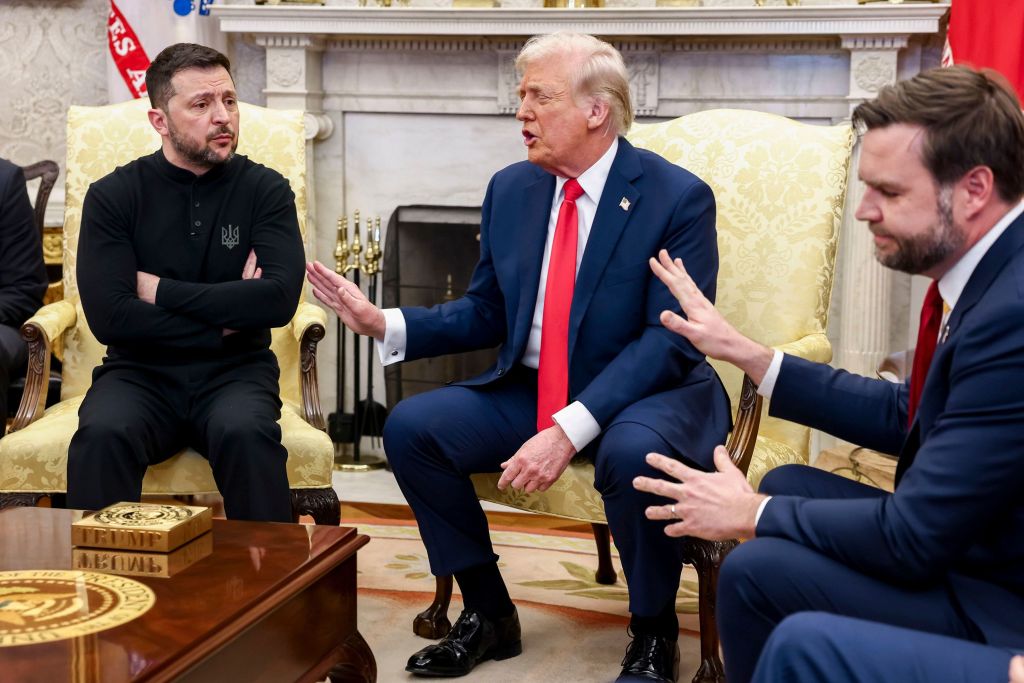
The recent exchange between Ukrainian President Volodymyr Zelensky and former U.S. President Donald Trump was more than just a political discussion. It was a power play. From the outset, it was clear that Trump was showing bias toward Russia, repeatedly emphasizing his ability to negotiate with Putin and his disdain for previous U.S. policies. The disrespect shown to Zelensky by some in the room, particularly with the absurd question about his suit, further highlighted the adversarial tone of the meeting. Instead of engaging in a back-and-forth that only weakened his position, Zelensky may have been better off walking away altogether.
However, this situation can be analyzed beyond the optics through Robert Greene’s 48 Laws of Power lens. Power is not just about strength; it is about strategy. Unfortunately, Zelensky broke several key laws, ultimately placing him in a weaker position.
Law 1: Never Outshine the Master
Trump’s ego is central to his political persona. Zelensky’s direct challenges include questioning Trump’s commitment, debating points openly, and pushing back. It may have been justified, but they only fed into Trump’s dismissiveness. A more strategic approach would have been to subtly appeal to Trump’s desire to be seen as a global dealmaker rather than press him on security guarantees in a way that made Trump feel undermined.
Law 2: Never Put Too Much Trust in Friends, Learn How to Use Enemies
Zelensky assumed that the United States would remain a reliable ally regardless of its leadership. This was a miscalculation. Trump’s administration operates on transactional relationships, not long-standing alliances. Instead of playing to the assumption that the U.S. would automatically back Ukraine, Zelensky should have framed his argument in terms of what Trump personally stood to gain rather than appealing to morality or democracy.
Law 15: Crush Your Enemy Totally
Zelensky repeatedly emphasized the importance of security guarantees and Ukraine’s unwillingness to make territorial compromises. While this stance is noble, it does not align with Trump’s approach to dealmaking. Trump sees compromise as an inevitability. By not positioning his demands in a way that allowed Trump to feel like he was brokering a ‘win,’ Zelensky lost ground in the negotiation.
Law 17: Keep Others in Suspended Terror: Cultivate an Air of Unpredictability
One of Putin’s greatest strengths is unpredictability. Zelensky, by contrast, has been highly consistent in his messaging, which made him easier to counter. A more effective strategy would have been to introduce a disruptive, unexpected proposal, perhaps an ultimatum, a dramatic gesture, or a pivot that left Trump on the defensive.
Law 37: Create Compelling Spectacles
Zelensky attempted to do this by showing images of tortured Ukrainian prisoners and stolen children. While emotionally powerful, it did not land effectively in a room where Trump had already framed the discussion around economic and security interests. A more strategic approach would have been to shift the focus to how Ukraine’s fight directly benefited American industry or geopolitical dominance.
Law 38: Think as You Like, But Behave Like Others
The criticism of Zelensky’s attire and his refusal to wear a suit may seem petty, but it highlights an important reality in power dynamics. Perception matters. In refusing to adopt the formal dress expected in such meetings, Zelensky gave his detractors an easy, superficial talking point that distracted them from more pressing issues.
Law 45: Preach the Need for Change, But Never Reform Too Much at Once
Zelensky’s push for long-term security and rebuilding Ukraine was at odds with Trump’s focus on immediate dealmaking. Instead of discussing security guarantees in broad terms, Zelensky could have tailored his pitch to align with Trump’s transactional mindset. Framing Ukrainian victory as a way to bolster U.S. economic and military superiority over adversaries would have been more effective.
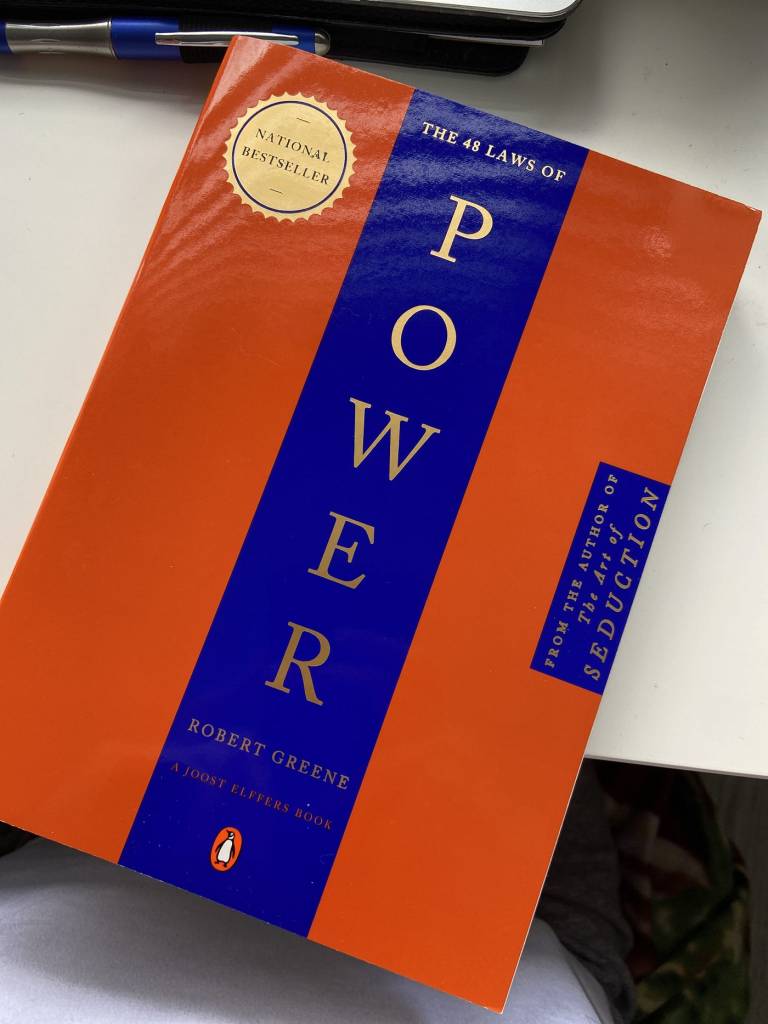
The Power Game Was Lost Before It Began
The biggest mistake Zelensky made was failing to adapt. This was not a Biden administration meeting. Trump and his team operate on an entirely different level of power dynamics, prioritizing dominance, control, and immediate benefit over moral appeals.
Rather than engaging in a debate where his leverage was weak, Zelensky may have been better off walking away and reshaping the conversation on his own terms. The laws of power dictate that when you lack leverage, you must create the illusion of it. The moment Zelensky allowed Trump and his allies to dictate the tone, he had already lost the battle.
Power is not just about strength. It is about playing the game with strategy. Zelensky’s position may be morally right, but in the world of power, being right is not enough. The meeting with Trump proved that all too well.
 Thoughts Processed