

Cinema, a tool of control, has always shaped memory and determined whose lives matter. However, when Black filmmakers take the camera, they are not just making movies. They are reclaiming history, ensuring that our stories, in all their depth and complexity, are told and told correctly. This act of reclaiming history is not just a creative endeavor, but a crucial step in shaping memory and determining whose lives matter.

I saw Malcolm X in the theater with my mom, Auntie GiGi, and older cousin Max. That experience will never leave me. I sat in the dark, watching Denzel Washington embody Malcolm’s transformation from a street hustler to one of the most powerful thinkers the world has ever known. That movie did something to me. It made me think differently about history. It forced me to question everything I had been taught. I picked up a dictionary because Malcolm did. I read The Autobiography of Malcolm X after my mom gave it to me because the movie demanded more than just watching. It made me search for answers.
Spike Lee’s work has never been just about entertainment. Education, culture, and resistance have been wrapped into film.
The Films That Shaped Me
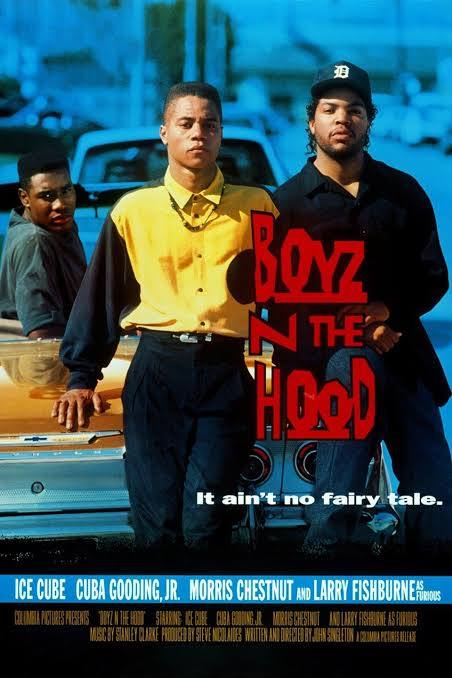
Boyz n the Hood might be the most important movie I ever watched. It was not just a film. It was life. I saw myself in Ricky and Tre, caught between different paths, trying to balance family expectations with the realities of the world outside. Doughboy was not just a character. He was someone I knew. John Singleton did not just capture a neighborhood. He captured the reality of young Black men across America. That film was a warning, a reflection, and a cry for something better.
Furious Styles, Tre’s father, changed how I saw Black fatherhood. He was firm, disciplined, and filled with wisdom. He was what a Black father should be. He did not just raise Tre. He prepared him. He gave him knowledge, structure, and the ability to see beyond the block. I have tried my best to mold myself in that image. When my oldest son Ant was going into sixth grade, he moved in with me after living his elementary years with his mom. I called my parenting plan the Boyz n the Hood plan because, just like Furious, I saw it as my job to teach, guide, and protect. That film shaped my approach to fatherhood. Love, knowledge, discipline, and protecting my house by any means necessary.
Rosewood left its mark on me. John Singleton ensured that the movie’s Black men were strong, principled, and fearless. Sylvester and Mr. Man were warriors in the truest sense. Mr. Man may have been fictional, but I saw him as a superhero. That film was not just about history. It was about dignity.
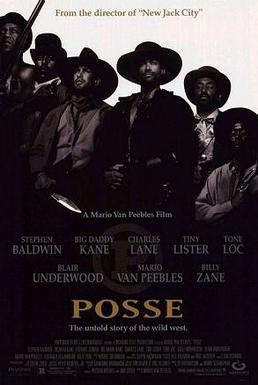
Posse became my favorite Western because it did something no other Western had done: It put us at the center. It showed that Black cowboys were real and that we had been there the whole time, shaping the West and making history that Hollywood tried to erase. Mario Van Peebles made sure we saw ourselves as heroes in a genre where we had always been sidelined.
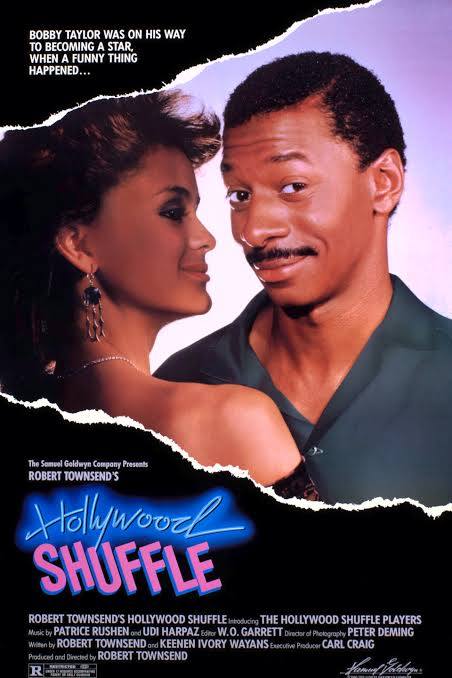
Hollywood Shuffle and I’m Gonna Git You Sucka were comedies, but they were also weapons. They exposed Hollywood’s racism, the struggle Black actors faced in getting roles with dignity, and the way the industry boxed us into stereotypes. These movies made you laugh but also ensured you understood the game.
In Living Color was the greatest sketch comedy show ever. It was not just funny. It was a revolution. Keenen Ivory Wayans built something that gave Black comedians power, let them control their own stories, and refused to let Black comedy be a side act. It launched careers, shaped culture, and proved that we did not need permission to create greatness.
Meteor Man gave us representation. We were never given the opportunity to see a Black superhero on screen. That film told young Black kids that they could be the ones saving the world, and that mattered.
The Lesson of Ownership
Oscar Micheaux made films when Black people were barely allowed to enter theaters. He did not wait for permission. He financed his own work, wrote his own stories, and created a space for Black audiences to see themselves on screen.
Melvin Van Peebles followed that blueprint when he made Sweet Sweetback’s Baadasssss Song. Hollywood was never going to tell a story like that, so he did it himself. He funded, marketed, and ensured every dollar returned to Black Hands. The film was unapologetic, raw, and powerful. It changed independent Black cinema forever.
Ownership is not just a concept; it is the key to true freedom in filmmaking. If we do not own the images of our people, someone else will. If we do not control the story, we are simply characters in someone else’s version of our lives. This is why it is crucial for Black filmmakers to reclaim their narratives, tell their own stories, and ensure that the richness and diversity of the Black experience are accurately represented on screen.
The Culture They Built
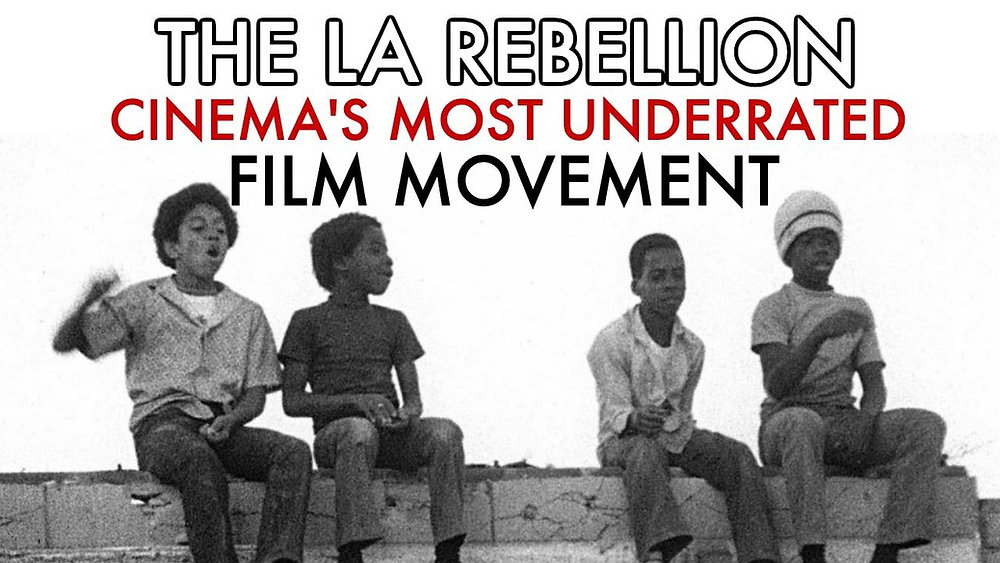
These filmmakers did not just reflect the culture. They created it. Spike Lee made films that were political acts. Keenen Ivory Wayans built an empire for Black comedy. John Singleton forced America to confront the reality of Black youth. Mario Van Peebles put us back in history. Robert Townsend exposed Hollywood’s racism with humor. The L.A. Rebellion filmmakers built a foundation of raw, independent storytelling that rejected Hollywood’s distortions.
They set the tone for how Black stories should be told. They did it without compromise.
What Must Be Done Today
Reclaim the power of independent film
Hollywood has not changed. It still decides which Black stories get told and which ones do not. It’s time for black filmmakers to take control of financing, distribution, and marketing. Streaming services provide an opportunity, but ownership must remain the priority. This is not just a call to action, but a declaration of our power and control over our narratives.
Reject the need for white approval
The best Black filmmakers made movies for Black people first. That is the only way forward.
Preserve Black film history
There are too many lost Black films and stories that were never properly archived or studied. If we do not tell our history, someone else will rewrite it.
Build institutions that protect Black artistry

Keenen Ivory Wayans did not just make In Living Color; he launched an entire generation of Black comedians. Robert Townsend did not just expose Hollywood’s racism; he created opportunities for Black actors to be seen in real roles. Future Black filmmakers must continue this tradition by creating platforms that give other Black creatives the space to work, grow, and control their own narratives.
The Future of Black Cinema
Black cinema is not a genre. It is a revolution. It has pushed back against the erasure of history, the sanitization of Black life, and the corporate rewriting of our stories. It has cultivated culture, created language, and built worlds.
The question is not whether Black cinema will survive. It will. The question is who will own it, shape it, and carry the torch forward.
The next generation must be fearless, independent, and unapologetic. That is the only way forward.
 Thoughts Processed