

We are witnessing the decline of Western power and the desperation of an empire that has long dictated the course of human civilization. The United States, France, and England, as pillars of modern White Supremacy, are scrambling to maintain control. The world they once ruled without question is slipping through their fingers. Their strategies are outdated. Their allies grow weary of their coercion. Their enemies are emboldened. The Global South is rising in ways that visionaries such as Fidel Castro, Muammar Gaddafi, Patrice Lumumba, Nelson Mandela, and others foresaw decades ago.
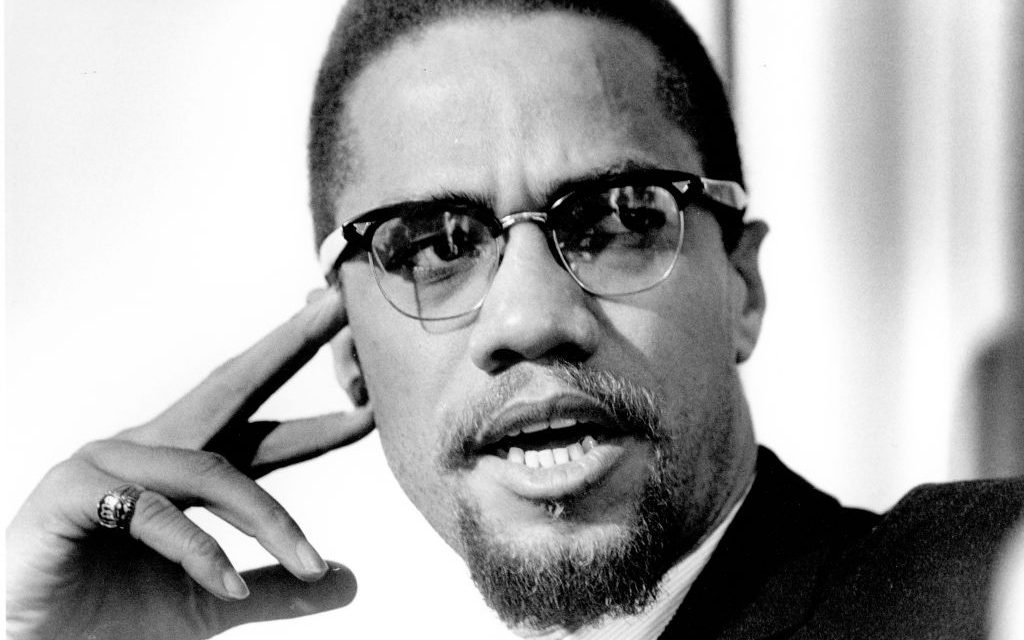
Malcolm X spoke of China’s revival after Western imperialism. Dr. Amos Wilson warned that Black people are economically tethered to white America and that liberation demands self-sufficiency. We must produce, distribute, and reconnect with Africa on our own terms.
A Futile Escape to the Stars
My mother said to me last night, “Maybe they think they can get to the moon.” Perhaps that is why billions are funneled into Elon Musk’s space ventures, and perhaps that is why billionaires and defense contractors speak quietly about colonizing Mars. When a world built on violence, theft, and deception no longer sustains those who created it, what is their response? Do they flee? Do they abandon the ruins, leaving the oppressed to pick up the pieces?
This is fantasy. There is no rocket powerful enough to escape the consequences of history. There is no planet distant enough to avoid the reckoning that is coming.
The West’s Failing Tactics and the Visionaries Who Saw It Coming
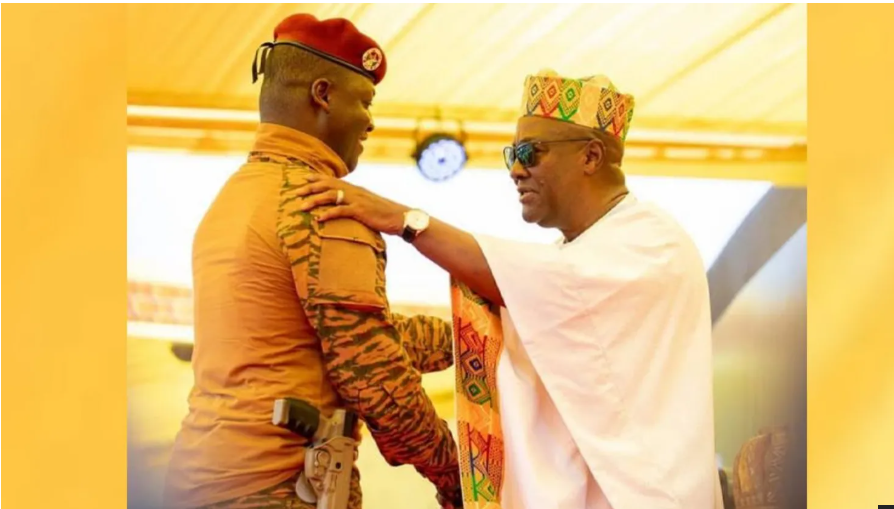
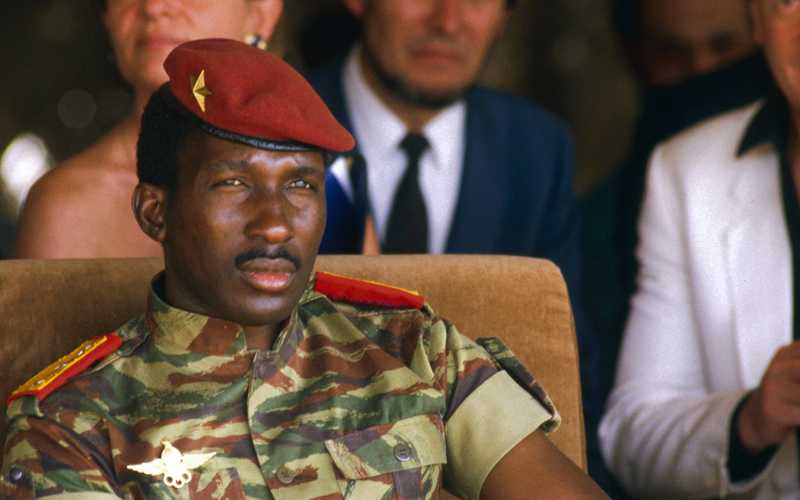
Captain Ibrahim Traoré of Burkina Faso, a courageous and visionary leader in modern African politics, stands as a beacon of hope. His revolutionary spirit echoes that of Thomas Sankara. Traoré’s bold actions, such as expelling French forces and prioritizing national self-reliance, demonstrate his understanding that true independence is seized, not granted.
Muammar Gaddafi understood that African liberation required more than symbolic gestures. He envisioned a united Africa, politically and economically independent from Europe and the United States. His push for a single African currency backed by gold would have directly challenged the dominance of the U.S. dollar and the euro across the continent. He proposed a United States of Africa with centralized institutions, a continental army, and economic solidarity to end centuries of divide-and-conquer colonial strategies.
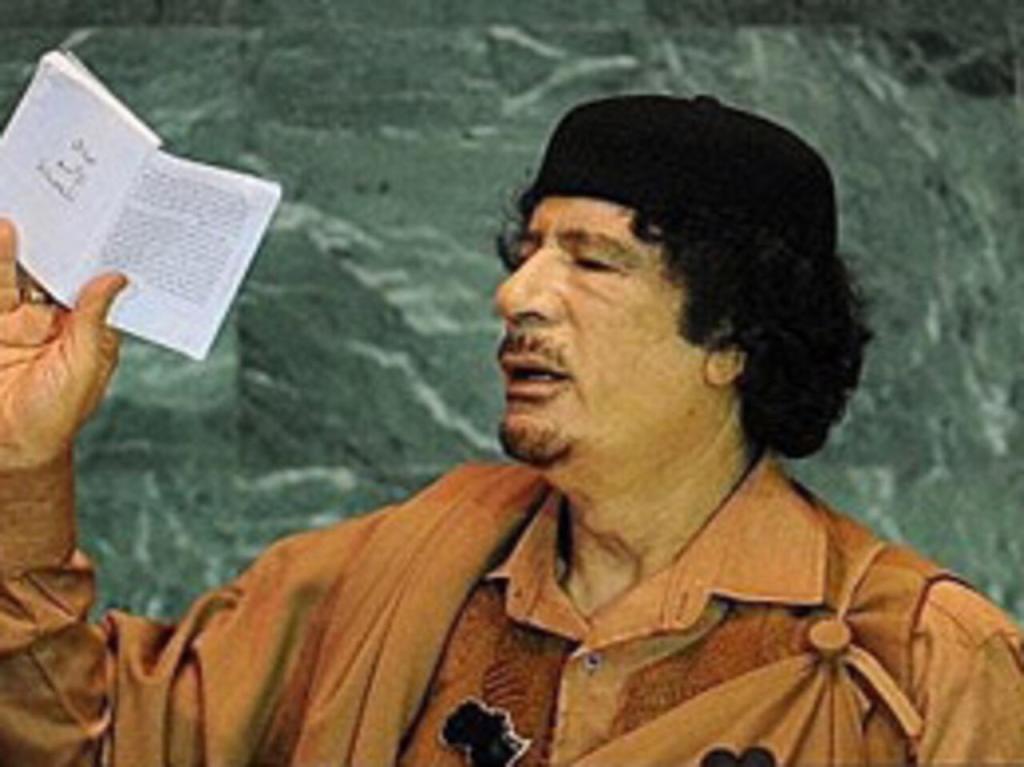
Gaddafi also understood the global implications of Black economic independence. His attempt to provide a billion-dollar loan to Louis Farrakhan and the Nation of Islam was about more than finance. It was a step toward severing Black Americans from dependency on Western systems. The United States blocked that initiative, fully aware of the threat it posed to its established order.
His assassination was not just about NATO intervention in Libya. It was about silencing a leader who dared to imagine Africa free from European influence. Gaddafi’s fall was a warning to other African leaders who might challenge neocolonialism with too much clarity and too much power. The destruction of Libya was the destruction of a model that prioritized African control over African wealth.
Western nations continue to recycle the same imperial strategies. They use military intimidation, economic sanctions, and puppet regimes to protect their interests. In Burkina Faso, however, a young and resolute Traoré has rejected this model. Their expulsion of French troops and rejection of Western-controlled economic systems happened swiftly and decisively.
The people of Burkina Faso, inspired by Sankara’s legacy, embody the spirit of unity, courage, and self-determination. They understand that true liberation does not come from negotiation with former colonizers, but from their own resilience and determination.
Lessons from South Africa
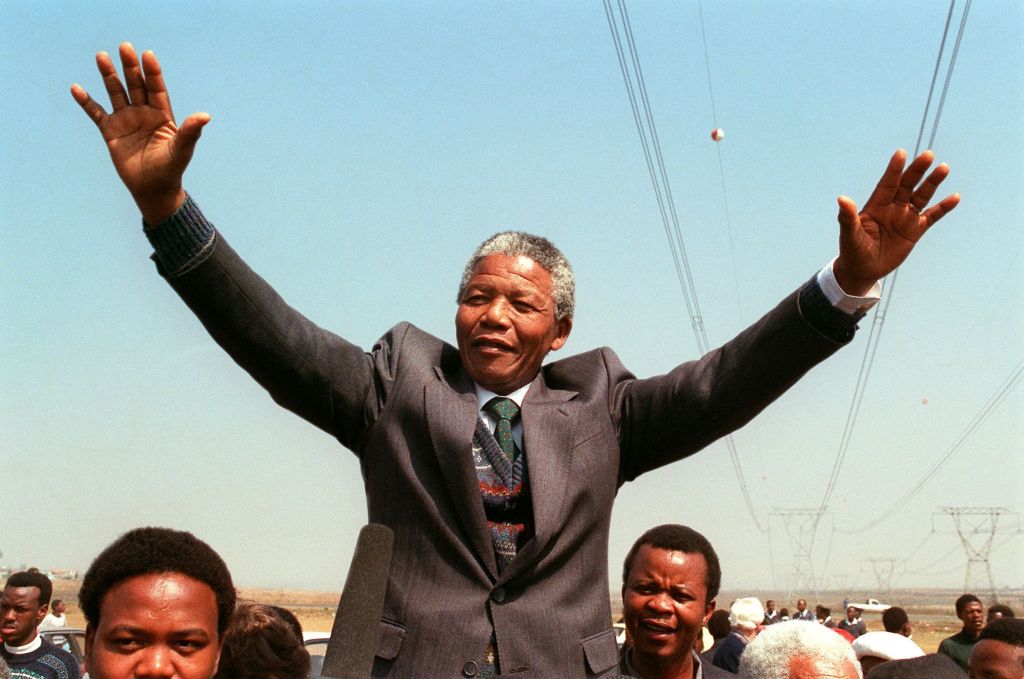
The struggle against apartheid was more than a fight against racial laws. It was a battle against an economic system constructed to preserve White Supremacy. The end of apartheid brought political change. However, economic power remained in white hands. Black South Africans were given freedom in form, not in substance.
This revealed a hard truth. Liberation requires more than laws. It involves land, resources, and ownership. Nations across the Global South are beginning to embrace this truth, challenging exploitative financial systems and reclaiming control over their futures.
The Return to the “Good Old Days”
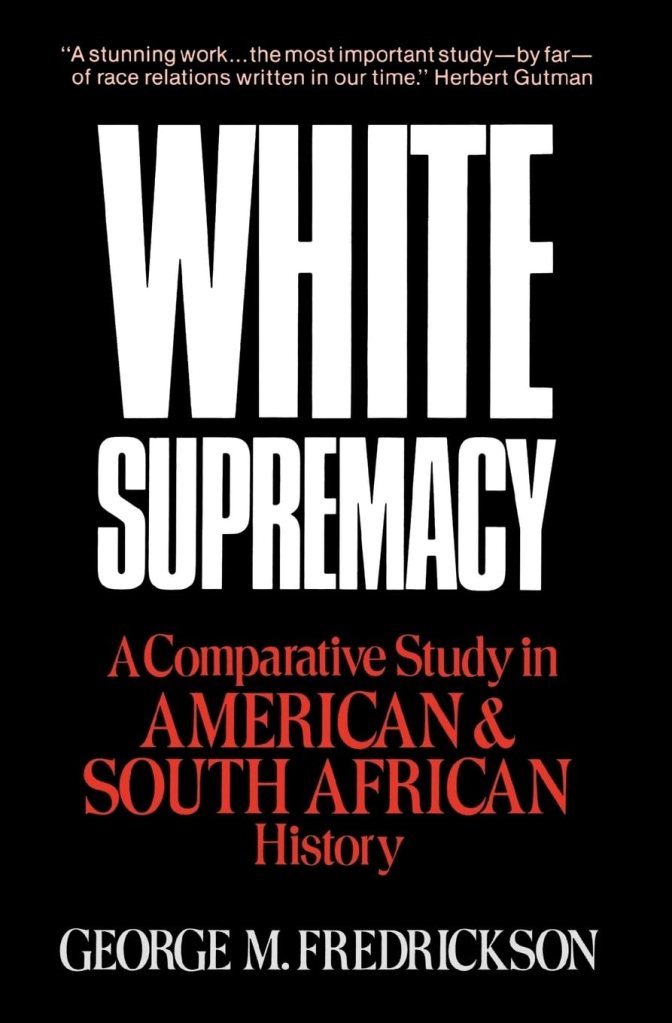
The West has responded by retreating into a nostalgic revision of history. Black history is being stripped from classrooms. Books are banned. Curricula are rewritten to exclude uncomfortable truths. Their vision of America has no space for us.
Efforts to erase our history and culture should not be feared. Let them try to write us out of their story. The world will see the truth. We are not mere side characters in someone else’s empire. We are a people with our own rich culture, our own history, and our own future. The world is ready to engage with us directly, and we should be proud of our heritage.
A Future Without Inclusion
For generations, Black Americans have sought inclusion in a system that was never designed for our liberation. We have begged for recognition, validation, and a place within an empire that prospered from our oppression. A new question must be asked. What if the future does not require our inclusion?
African nations are rising. A new world is forming where we can engage with Africa not as Americans seeking entry, but as members of the African diaspora with shared purpose and vision. The collapse of White Supremacy is not a loss. It is a long-awaited beginning.
The Empire Will Not Fall Quietly
No empire falls with grace. Rome did not, Britain did not, and America will not. The moment an empire feels its power slipping, it strikes out. It wages war, spreads propaganda, manipulates economies, and clings to power with everything it has.
When slavery became indefensible, it created prisons. When colonization was condemned, it built financial institutions like the IMF and the World Bank. When armies could no longer hold territory, they deployed corporations. These tools are losing their grip. A new question arises. What tool will be used next?
The Rise of BRICS and the End of Western Dominance
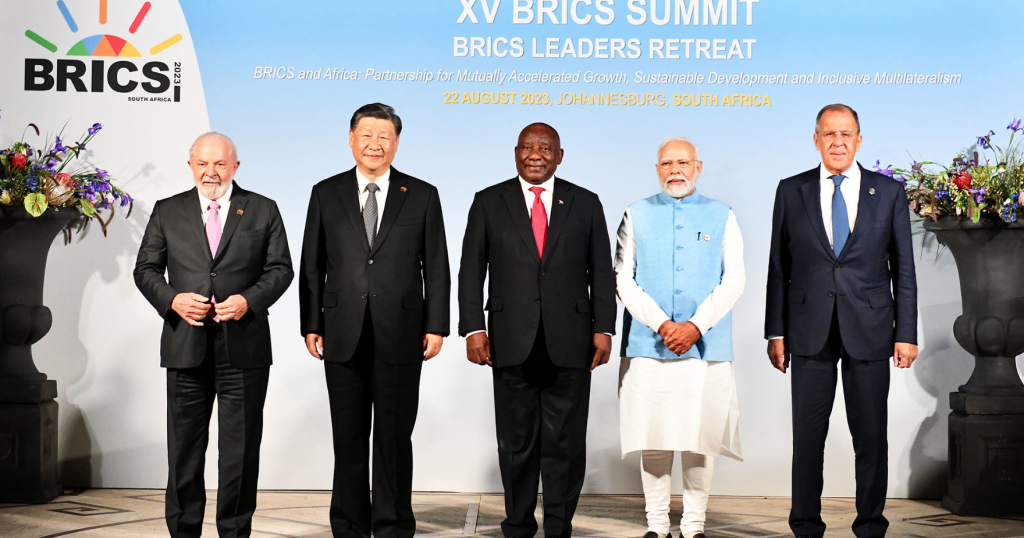
The BRICS coalition, Brazil, Russia, India, China, and South Africa, is challenging Western control over global finance and trade. As more nations join, BRICS reduces dependence on the U.S. dollar and creates alternatives to Western institutions.
The West’s ability to dictate global policy is eroding. The return of Donald Trump raises further concerns. His first term exposed deep fractures in American governance. A second term may deepen isolation, weaken alliances, and dismantle international frameworks.
Meanwhile, BRICS continues to grow stronger. Black communities must recognize this shift. The West has historically obstructed Black economic progress. Gaddafi’s blocked loan to the Nation of Islam remains a powerful example. As BRICS gains influence, new possibilities open for global Black economic cooperation.
The Fall of French Neocolonialism and Africa’s Awakening
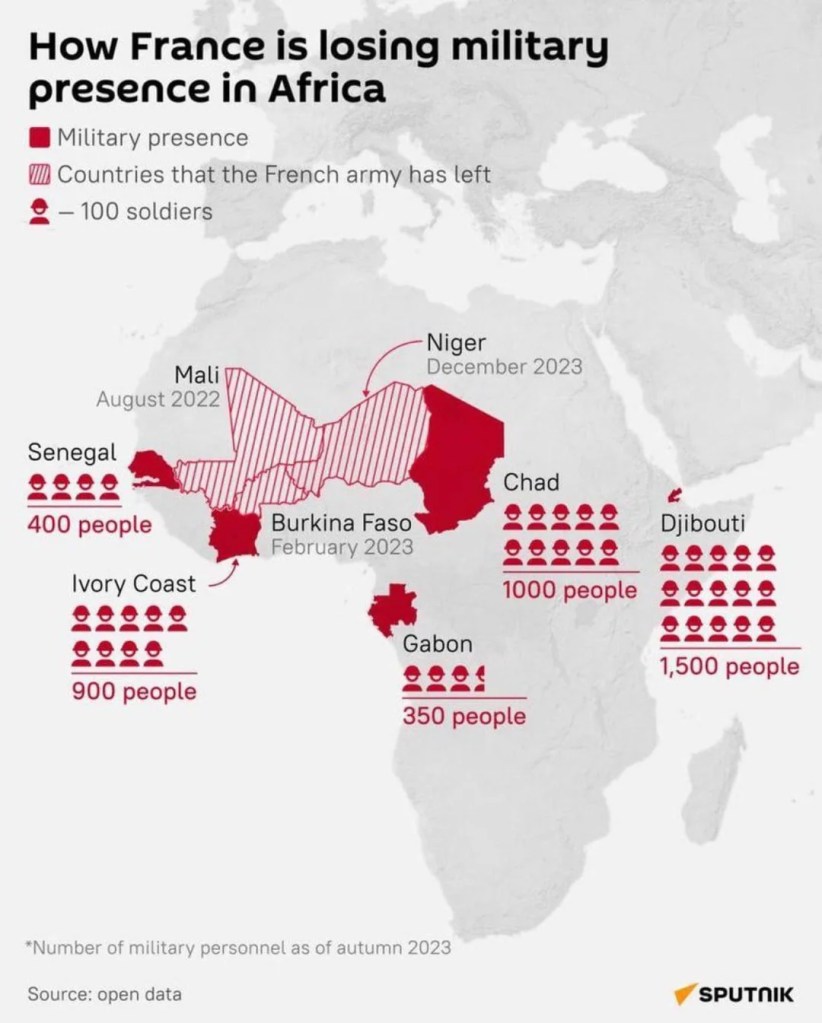
France has long drained Africa through neocolonial mechanisms. Over $500 billion is extracted annually. The CFA franc forces African nations to deposit 85 percent of their reserves in the French Treasury. Accessing their own money requires high-interest loans.
This system is being rejected. Niger, Burkina Faso, and Mali are taking bold steps. In 2025, Niger withdrew from La Francophonie, an institution used to maintain French control. Burkina Faso and Mali soon followed.
These nations are building new alliances within Africa. They are rejecting the CFA franc, expelling foreign forces, and reclaiming their right to self-determination. This is the beginning of a new era where Africa defines its own destiny.
The Time for Pan-Africanism is Now
Pan-Africanism is no longer a dream for the future. It is the necessity of the present. From Marcus Garvey’s UNIA to Malcolm X’s Organization of Afro-American Unity, the seeds of global Black unity have long been planted.
Today, the soil is fertile. African nations are rejecting neocolonialism. Diasporic communities must act. This is the moment to invest in African markets, to support Black-owned businesses, and to create new systems free from Western control.
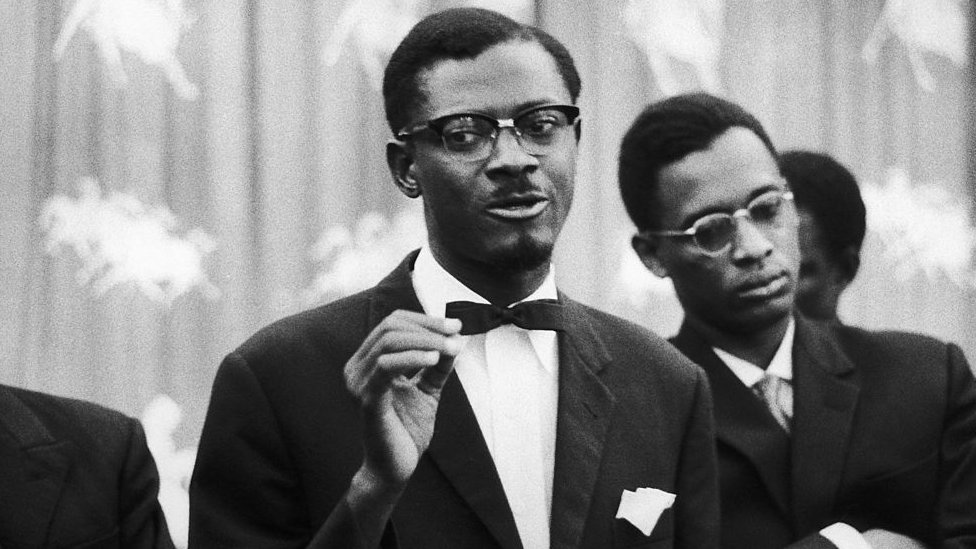
The vision of leaders like Nkrumah, Lumumba, Nyerere, and Toure must be realized. Global Black unity, trade, and sovereignty are not ideals. They are requirements for survival and success in the world emerging before us.
The Path Forward
The defining question of this century is not whether the empire will fall. It is how far it will go to maintain power. The world must prepare.
The future will not be shaped by White Supremacy. It will be shaped by what comes after. Our task is clear. We cannot afford to be mere survivors of their destruction. We must be the architects of what comes next.
 Thoughts Processed