

A Challenge to LeBron James, Gilbert Arenas, and Tracy McGrady
The Comfort of Revisionism
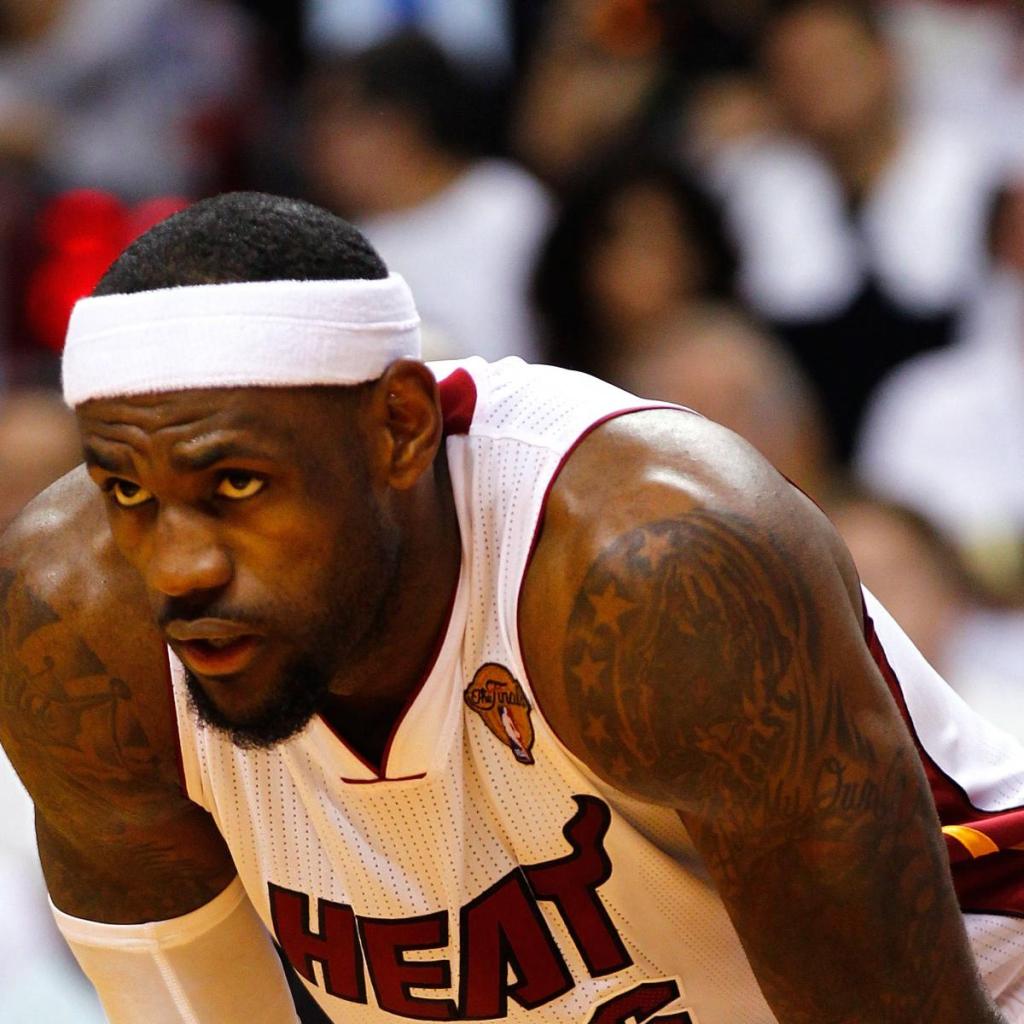
There is comfort in reshaping the past. Comfort in rearranging narratives so they ease the weight of expectations that history has placed on those who fell short. Recently, LeBron James elevated this conversation on his Mind the Game podcast, with Gilbert Arenas and Tracy McGrady echoing the sentiment. They argue that rings are merely team accomplishments and that the culture of defining greatness through championships has distorted how players are judged. This appears reasonable on the surface. Basketball is a team sport. No one wins alone. No one guards all five positions. No one writes the final play in isolation.
History’s Weight Cannot Be Dodged
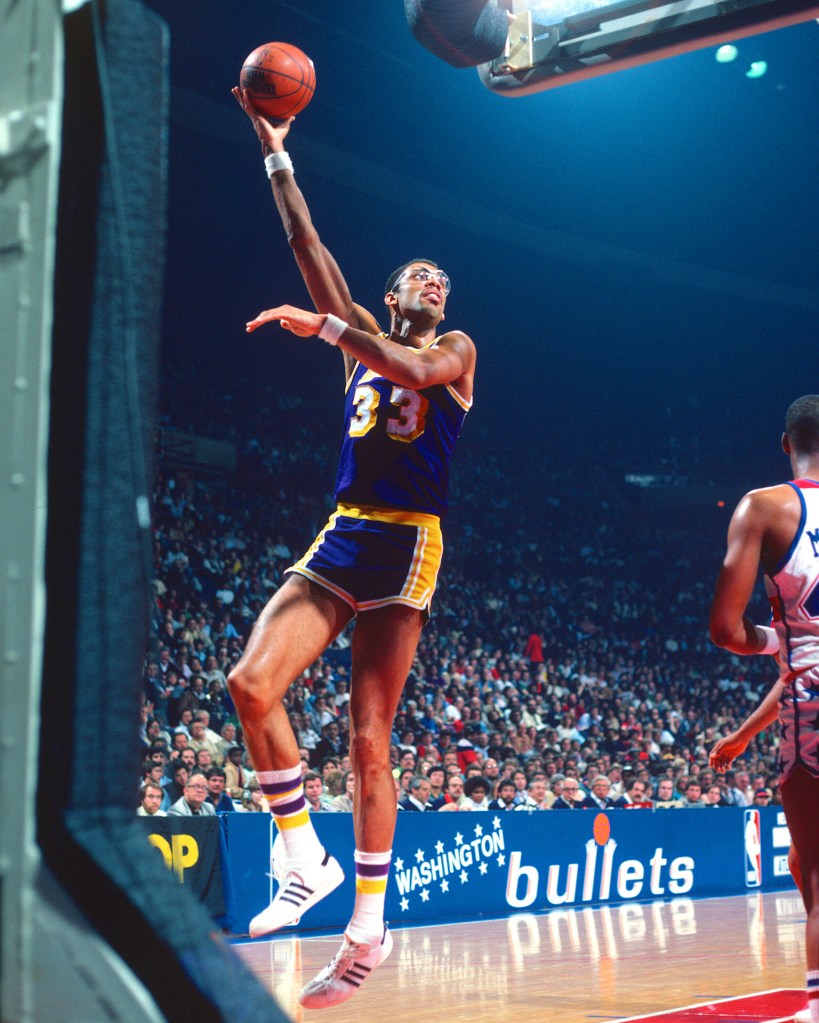
This reasoning, however, fails under the weight of history. The burden of the ring is not new. It did not begin with LeBron or with the modern media. Jerry West, the man who became the NBA logo, lost in the Finals eight times before securing his lone championship in 1972. Kareem Abdul-Jabbar, before Magic Johnson arrived, was seen as a towering force who had not yet delivered titles as the central leader.
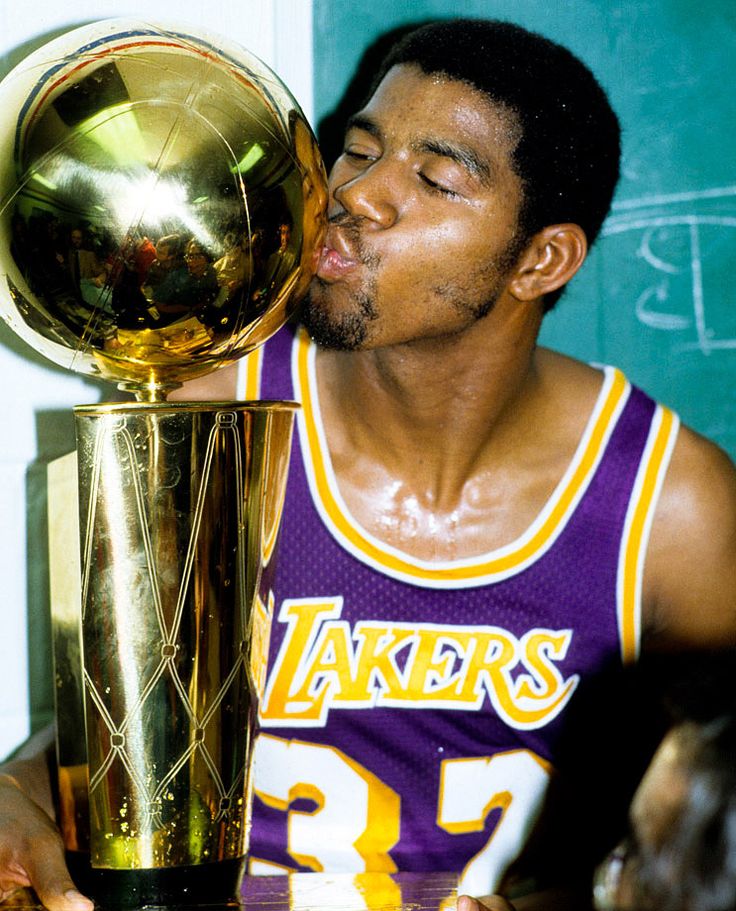
Michael Jordan, before the rings and before the iconography, faced deep scrutiny. Commentators questioned whether a leading scorer could lead a team to a title. There were doubts about whether he could elevate those around him or whether he was destined to be a brilliant solo act without a championship. Jordan’s legacy solidified not only because of his six rings, but because he never lost in the Finals once he crossed that threshold. His Finals performances were extraordinary, rivaled by only a few in basketball history. His greatness is tied not just to winning, but to how he won when the stakes were highest.
The Power of Finals Performance
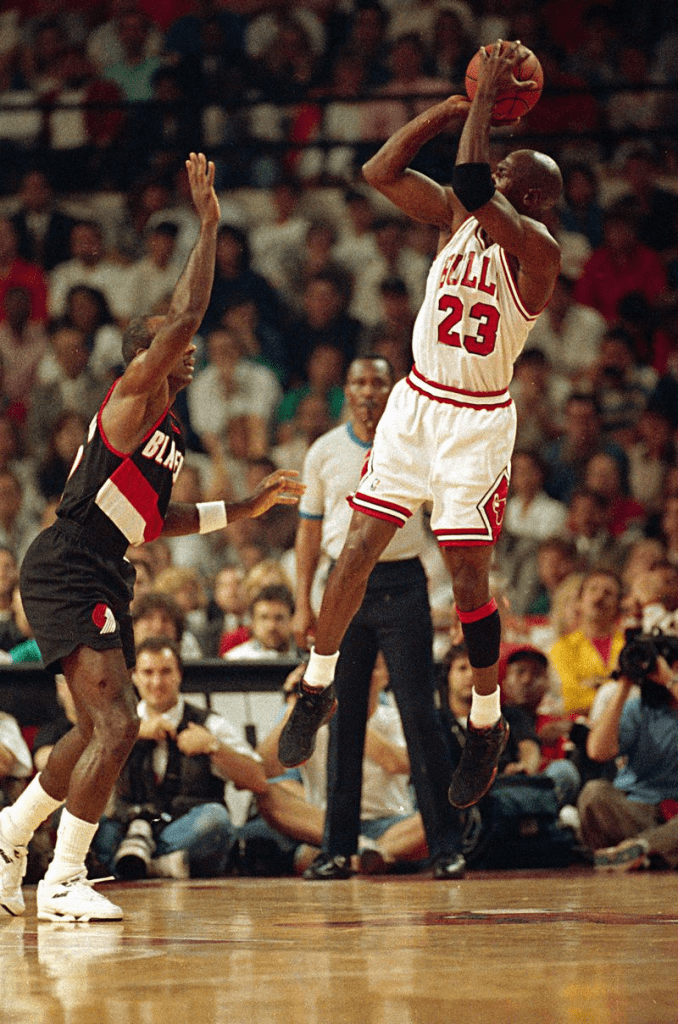
Finals performances have always shaped the narrative of greatness. Jordan’s brilliance in those moments helped separate him from other all-time greats. His ability to dominate when everything was on the line is a key reason he is seen as the greatest player of all time. This is what separates legends from peers. Dirk Nowitzki’s 2011 Finals run, LeBron’s 2016 masterpiece, and Tim Duncan’s consistency under the brightest lights are remembered not simply as team victories, but as individual rises to the occasion.
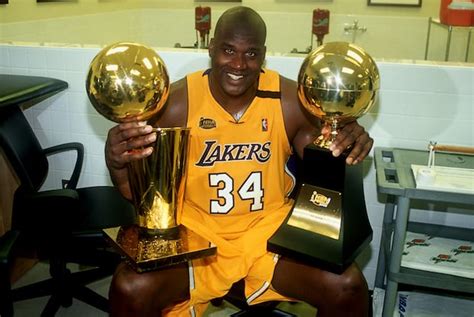
Shaquille O’Neal belongs in this rare conversation as well. Shaq is the only player outside of Michael Jordan to win three Finals MVPs in a row. His dominance in those moments secured his place in history. His career, like Jordan’s, is remembered not only for the championships, but for how he seized those moments when everything was at stake. Even Shaq, who experienced multiple playoff defeats, knew that what defines a player’s legacy is not just winning but leading when it matters most.
Role Players Rise, but the Weight Stays on the Star
Gilbert Arenas and Tracy McGrady referenced Ron Artest’s crucial Game 7 performance in 2010. It is true that Artest stepped up and helped secure that title for Kobe Bryant and the Lakers. Role players have always been part of championship stories. There are always moments when a supporting cast member shines. The weight, however, still rests on the shoulders of the team’s best player. In some cases, that weight falls even heavier on the superstar. That has always been part of the measure. That is why the failures sting and why the triumphs elevate legacy.
The Standard Was Set Long Ago
This expectation is not a creation of modern media. It has existed since the days of the great big men. George Mikan, Bill Russell, Wilt Chamberlain, and Kareem Abdul-Jabbar were judged by their ability to deliver titles. Over time, the burden shifted to perimeter superstars like Julius Erving, Magic Johnson, Larry Bird, Michael Jordan, and Kobe Bryant. These players were expected not only to shine, but to lead their teams to the mountaintop.
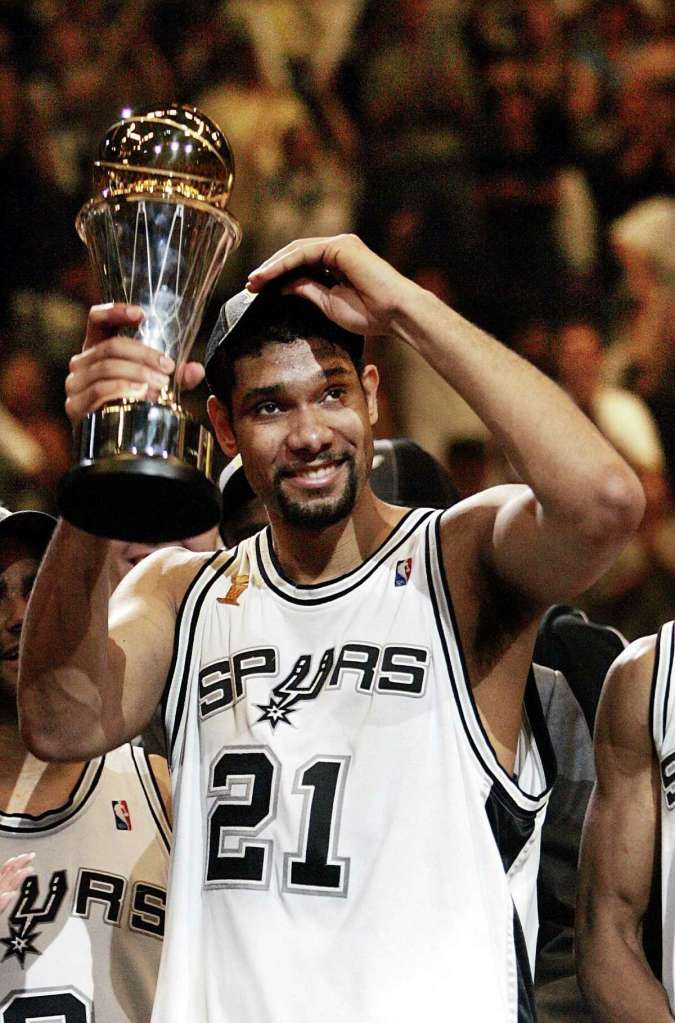
No one has erased the greatness of those who fell short. The names of Charles Barkley, Karl Malone, and Patrick Ewing remain spoken with respect. Their talent is beyond dispute. Their impact on the game is beyond question. I would even argue that Barkley at his peak was a better individual player than Tim Duncan. Barkley’s skill, versatility, and force were unmatched. When discussing careers, however, Duncan’s five championships must be part of the conversation. Both are great. One climbed the mountain. The other fought and fell. That is the truth of sport.
The Ring is Part of the Measure
If rings are merely team accomplishments, then the game must stop celebrating those who rise in victory. The narrative cannot single out a player for praise when his team wins a championship if he is to be shielded from scrutiny when his team loses. History does not remember the sport that way. Greatness has always been measured by the road taken, the trial faced, and the triumph earned. From Mikan to Russell to West. From Kareem to Magic to Bird. From Jordan to Kobe to Shaq to Duncan to LeBron. The ring has always been part of the measure. That truth endures. To deny it is not to challenge history. It is to run from it.
 Thoughts Processed