

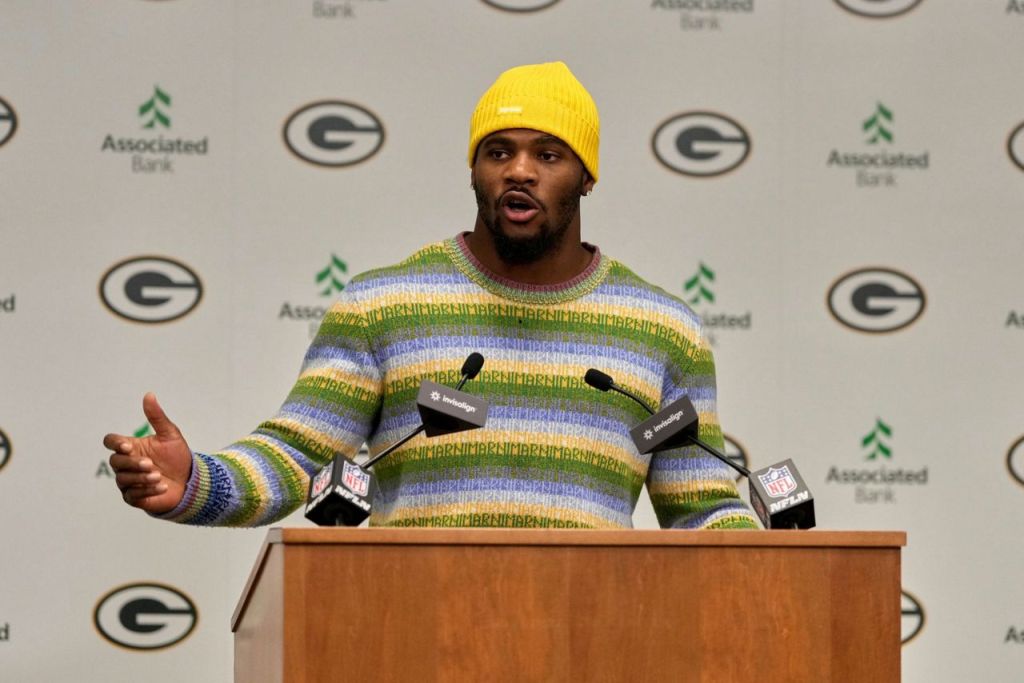
The Dallas Cowboys did not just trade a generational talent when they sent Micah Parsons to the Green Bay Packers. They sent a message to every elite athlete who chooses autonomy, strong representation, and generational wealth. At first glance, the deal appears to be a bad business move. Look closer and you see something more profound. An owner more committed to control than to championships.
Micah Parsons, a defensive terror and arguably the most disruptive player in football, was supposed to anchor the Cowboys’ future. He was dynamic, marketable, and dominant. So how did Jerry Jones let him walk for draft picks and a veteran role player? Control was challenged, and pride answered.
The Breakdown
Parsons’ trade request did not come as a surprise to anyone paying attention. He spoke clearly about his value, not only as a linebacker but as a pass rusher who alters games. That distinction matters. Edge rushers command more money, longer terms, and greater leverage.
Jones said he offered Parsons the richest non-quarterback deal in league history. Parsons’ agent, David Mulugheta, disputed the structure. Guarantees, position designation, and the actual value over the life of the contract did not align with the headline number. In response, Jones tried to speak directly to Parsons. That move cut around representation and disrespected the process. Parsons stood with his agent. Tension rose. Business turned personal.
Ego Over Empire
There is a pattern in Dallas. The franchise has not reached a conference title game since the mid-1990s. Talent has not been the problem. The filter has been ego. Decisions flow through branding and control rather than sober football calculus.
Jones positions himself as architect and star, as voice and face. That posture works when trophies arrive on schedule. It turns corrosive when control outweighs collaboration. Trading Parsons was not about cap space or scheme. It was about a refusal to be challenged. When the challenge comes from a young Black star with a powerful Black agent, the resistance intensifies within a league where ownership culture still expects compliance.
There is no direct evidence that race was a cause of the trade. It would be naive, however, to ignore how race, labor, and power intersect in the NFL. When Black athletes advocate for themselves, demand actual market value, and insist on respect in negotiations, labels appear. “Egotistical.” “Distraction.” “Problem.” Green Bay saw something different. They saw “franchise cornerstone.”
Legacy in the Mirror
Jerry Jones will remain one of the most influential owners in American sports. He turned the Cowboys into the most valuable franchise in the world. That achievement came with a cost. The league evolved. Players became brands and investors. They became CEOs of their own careers. Parsons understood the moment. Jones resisted it.
Dallas now holds an empty jersey and a louder brand. Parsons holds leverage, security, and the freedom to keep wrecking game plans in green and gold. History will remember this trade because it revealed the Cowboys’ current identity. A monument to control rather than a model for titles.
Final Thought
Micah Parsons did not just get traded. He got free. That freedom lies within a long story about Black labor, American sports, and the price of dignity.
 Thoughts Processed