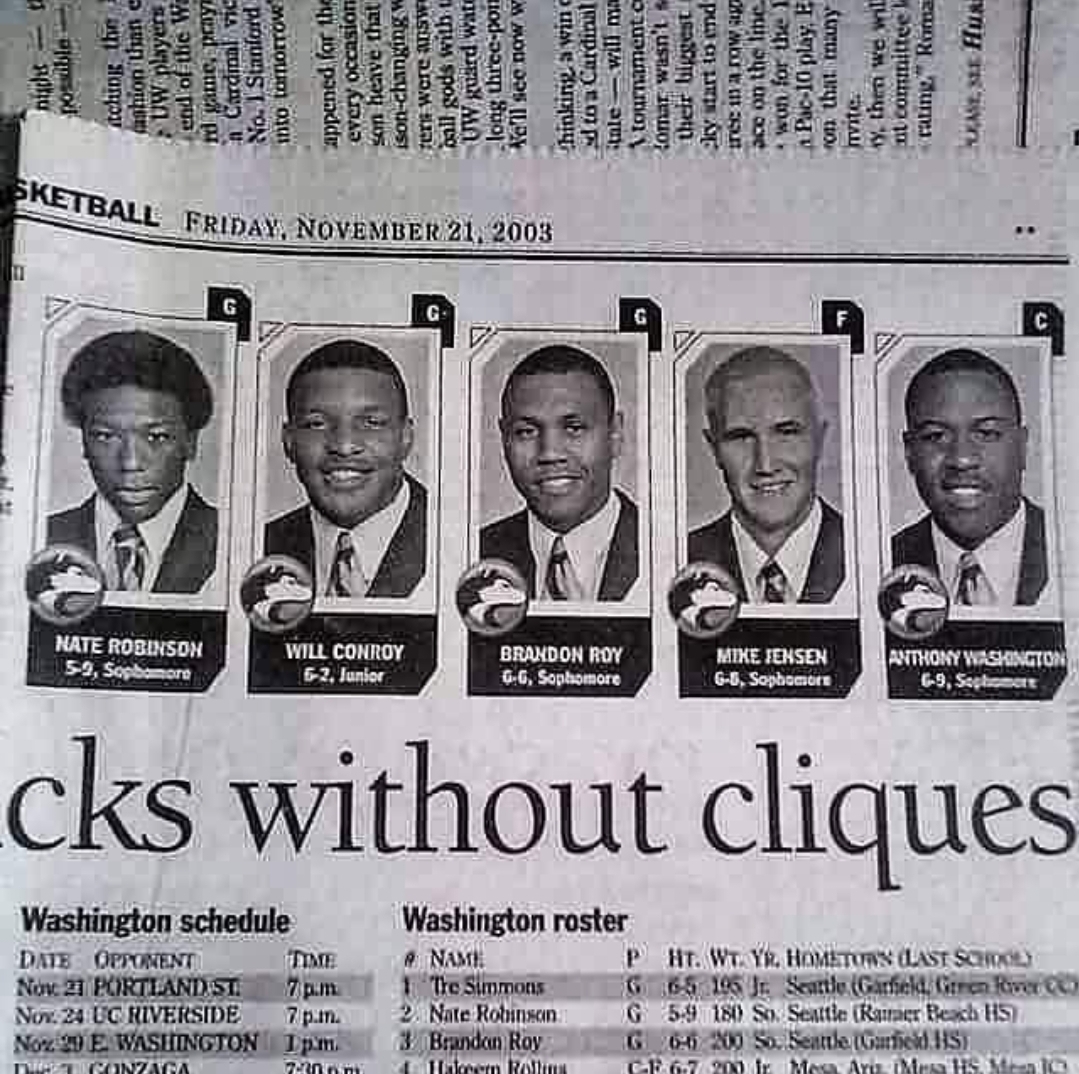
Academic performance, often measured by grades and test scores, may not truly encapsulate an individual's potential. My personal journey from athletic admission to graduate school, navigating racial representation and affirmative action, proves this. Despite initial low grades, my later achievement of the Dean's list shows that dedication, non-academic skills, and addressing socioeconomic factors can transform academic success. As the only Black person in my cohort, I recognized affirmative action's role in combating institutional racism, while also highlighting individual merit. Conversations around academic ability must extend beyond race and acknowledge the multifaceted nature of potential.
Author: Anthony Washington M.Ed.
Comedy’s Evolutionary Arc: The Interconnected Legacies of Five Titans
Eddie Murphy, buoyed by the trail blazed by Pryor, redefined comedy in his own right. Through his dynamic performances on "Saturday Night Live," his innovative stand-up specials, and his successful transition to film, Murphy exemplified the transformative power of comedy. Murphy's recognition and support of emerging talents, such as Martin Lawrence in "Boomerang," underscored the communal ethos inherent in the comedic industry.
Slowing Down Jokic: A Two-Way Battle of Offense and Defense
Explore effective defensive tactics and strategies to slow down Nikola Jokic, the talented center for the Denver Nuggets. Discover how to counter his offensive prowess and navigate his weaknesses as a defender. Learn how to bring physicality, implement double-teaming and trapping, vary defensive looks, contest shots, deny entry passes, excel in transition defense, and make necessary adjustments to neutralize Jokic's impact on the game.
Redefining the Impact of White Individuals on Social Constructs
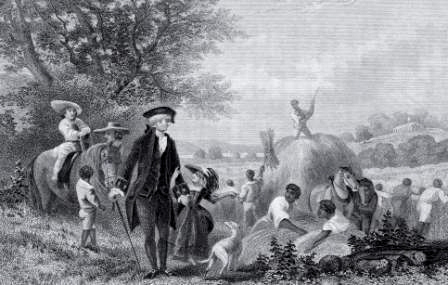
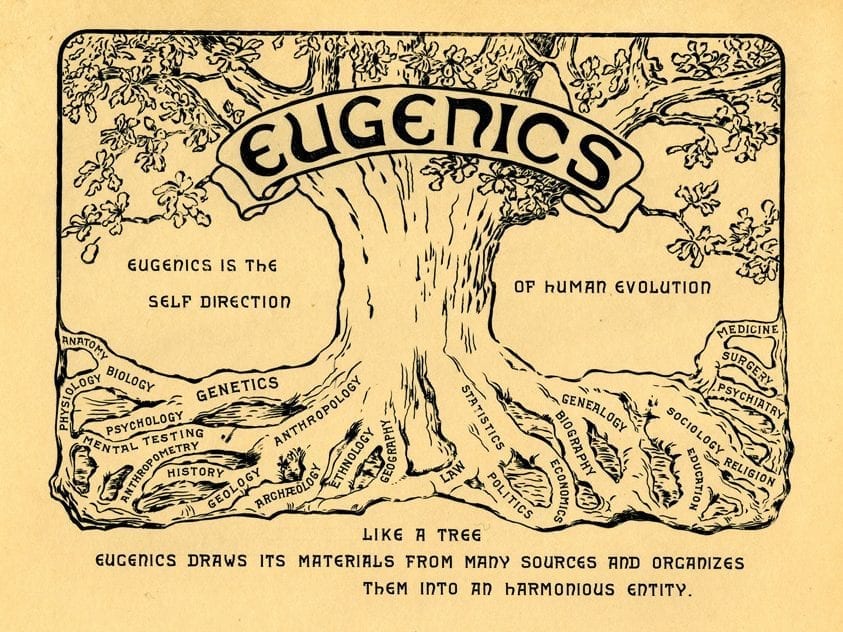
In the vast tapestry of our world, the influence of social constructs and their impact on society looms large. Throughout history, certain social constructs have been erected and dismantled, often with white individuals at the forefront. This blog aims to delve deep into this intricate realm, shedding light on the instances where white individuals have wielded significant influence in shaping social constructs. It is an exploration of the intersection where gender and race converge, unraveling the intricate dynamics of power, privilege, racism, and equality. One cannot deny the indelible mark left by white individuals on social constructs. Take Carl Linnaeus, the renowned Swedish botanist, for example. His meticulous classification of humanity into racial groups birthed the abhorrent concept of scientific racism, perpetuating racial hierarchies and providing a foundation for discriminatory practices. Similarly, the eugenics movement, though not exclusive to white individuals, found acceptance in Western societies, resulting in forced sterilizations and systemic discrimination against marginalized communities. History tells tales of white figures who exploited their positions of power to perpetuate and justify racial oppression. These instances expose the troubling truth that social constructs can be wielded as weapons, enforcing inequality and sowing suffering. Such realities prompt us to examine the complex relationship between race and gender, where intersecting identities shape experiences, opportunities, and privileges. However, there is a pressing concern to be addressed—an impregnable shield created by gender that deflects conversations about racism and equality. Power dynamics and privilege influence perspectives, hindering a comprehensive understanding of the lived realities of marginalized racial groups. By unmasking this veil and scrutinizing these dynamics without hesitation, we can reveal the trials faced by diverse communities, paving the way toward a more inclusive society. The path to progress lies in embracing intersectionality—the convergence of gender and race. By confronting the distinct struggles experienced by different communities, we can dismantle oppressive social constructs. This endeavor requires the active engagement of individuals of all races, as unity is the key to forging a future steeped in equity and justice. In conclusion, the influence of white individuals on social constructs throughout history cannot be overlooked. Understanding this impact and its intersections with gender and race is crucial in dismantling oppressive systems and striving for a more inclusive and just society. By examining our past, addressing present issues, and actively working toward a better future, we redefine the role of white individuals in shaping social constructs, ultimately paving the way for a more equitable world.

Unveiling the Dark Past: Forced Sterilization and Castration – A Haunting Chapter in History
In the shadows of our history lie stories so chilling, so grotesque, that they haunt our collective memory. Forced sterilization and castration, once hidden from the public eye, emerge as macabre chapters in the annals of power and control. These atrocities, driven by deeply ingrained prejudices and fueled by white supremacist ideologies, left indelible scars on the lives of marginalized communities. Imagine a world where individuals, solely based on their race or perceived undesirability, were robbed of their ability to bear children. The very essence of reproductive autonomy torn asunder, generations of Indigenous and melanated women were subjected to this grave violation. Their bodies, once a symbol of life and resilience, were subjected to the whims of those who sought to manipulate the genetic fabric of society. And the cries of injustice, muted by a complicit system, echoed through the corridors of time. But it was not only women who bore the brunt of this abomination. Black men, their bodies already burdened by the weight of oppression, faced an even more insidious fate. Castration, an act of unspeakable violence, sought to emasculate them, stripping away their agency and reducing them to objects of domination. This calculated assault on their humanity was designed to reinforce a social order built on the subjugation of black bodies. As we grapple with the horrors of this past, we are confronted with difficult questions. Why have these atrocities been shrouded in silence? Why has the truth been relegated to the fringes of our historical narrative? The answers lie in a systemic erasure, a deliberate act to conceal the sins of the past and perpetuate a distorted reality. To confront this dark chapter head-on is to unveil the truth, no matter how painful it may be. It is an act of remembrance, a solemn commitment to honor the victims and acknowledge the depths of human depravity. By bringing these stories to light, we reclaim their voices and ensure that the atrocities they endured will not be forgotten. In the face of this haunting history, we must bear witness and seek justice. We must learn from the past to forge a future where such atrocities are never repeated. The journey towards healing and reconciliation begins with acknowledging the darkness within our own narratives and working tirelessly to dismantle the structures that allowed these horrors to unfold. May the echoes of the past guide us towards a more just and compassionate society, where the dignity and autonomy of every individual are upheld, and the shadows of forced sterilization and castration are forever banished from our collective consciousness.
Don Lemon and Tucker Carlson: A Podcast Dream Team Waiting to Happen After Their Recent Departures
With both Don Lemon and Tucker Carlson recently let go from their respective networks, the time is ripe for them to embark on a new and exciting career chapter. The podcast format is an ideal platform for them to break free from the constraints of traditional news networks. With the freedom to dive deep into topics and engage in open, honest conversations, they would have the chance to present the full spectrum of political viewpoints. Furthermore, their undeniable charisma and passion for their respective stances would create a compelling and entertaining listening experience.
Empowering Melanated Organizations: Breaking the Cycle of Paternalism in Grant Funding
If your organization doesn't have the necessary team, consider allowing Melanated organizations that do access 100k grants rather than offering them a 20k contract with your organization.
A New Precedent for Equitable Education: Reflecting on the Perez v. Sturgis Public Schools Case and the Importance of Inclusive Education
As an educator committed to fostering equitable and inclusive education, I encourage parents, community members, and fellow educators to use this new precedent to push for meaningful change. Together, we can work towards dismantling the barriers that prevent our students with disabilities from reaching their full potential and enjoying equal opportunities in education and beyond.
The Forgotten Champions: Remembering the 1982 Cheyney University Lady Wolves
As we celebrate Women's History Month, remember the historic accomplishments of the 1982 Cheyney University Lady Wolves basketball team. Let's recognize and celebrate the legacy of C. Vivian Stringer and the talented athletes who chose to attend an HBCU. And let's work towards a more equitable and just sports culture for all, where the accomplishments of all athletes, regardless of their background or identity, are recognized and celebrated.
Black History Lesson Plan Workshop at the Burke Museum: Promoting Black History Education
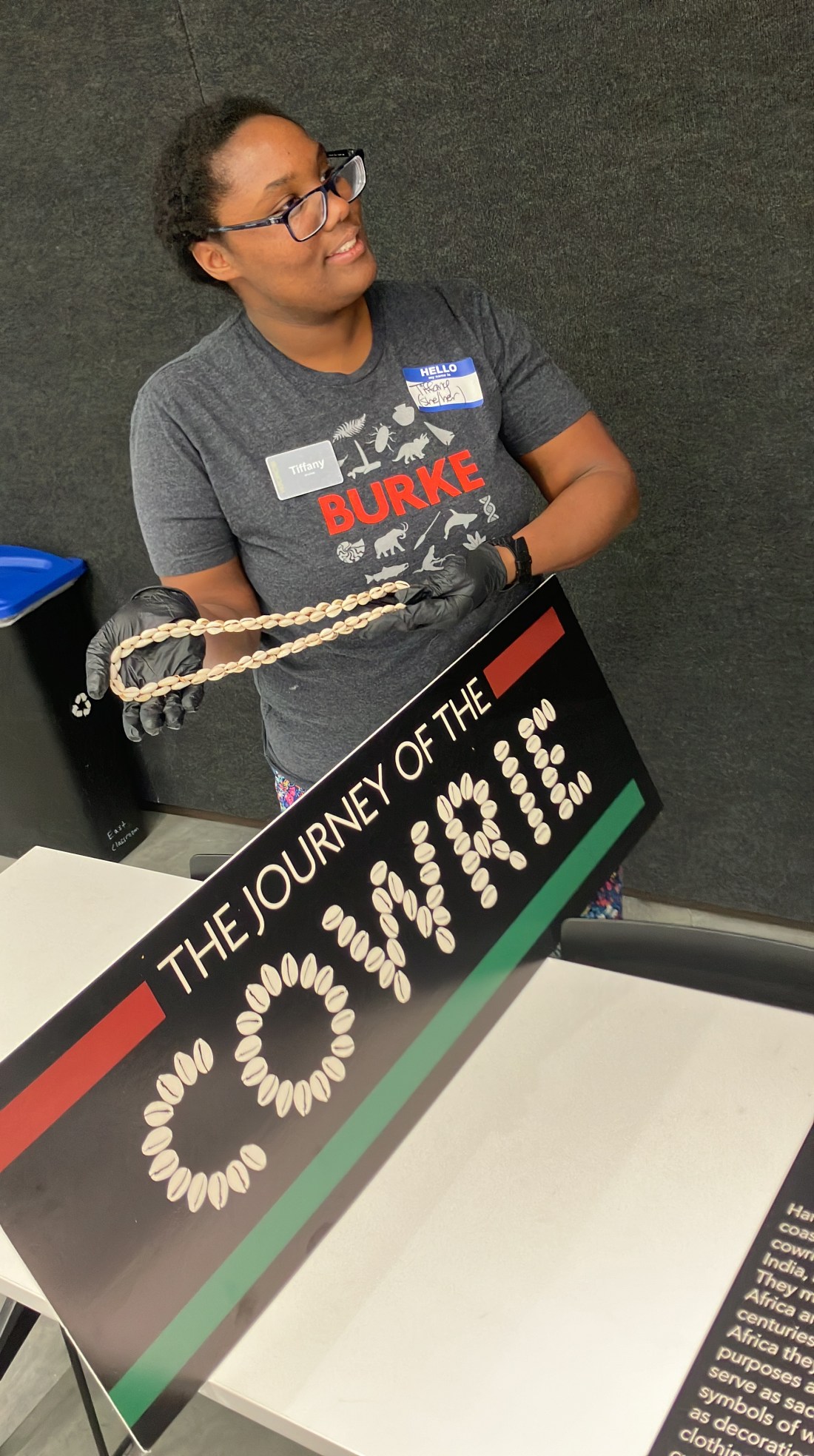
The Black History Lesson Plan Workshop held at the Burke Museum on February 25th, 2023, brought educators, administrators, and community members together to explore the importance of Black history education and share resources and strategies for incorporating Black history into teaching and learning.