Power, Ego, and the Cost of Control: The Micah Parsons Trade and Jerry Jones’ Cowboys

Micah Parsons’ exit from Dallas reads less like cap math and more like a power story. This piece examines how control, representation, and ego shaped the Cowboys’ decision, considers the Green Bay fit, and situates the moment within the broader history of Black labor, ownership culture, and athlete autonomy in American sport.

Meeting the Moment: How Thoughts Cost Can Help Washington Districts Solve Special Education and Inclusion Gaps

Washington school districts are navigating deep special education funding gaps, staffing shortages, and the complex transition to more inclusive practices. From Seattle to Spokane, districts are reimagining services and calling for state support, yet they also need practical tools that ease workloads and strengthen family partnerships. Thought Cost offers co-planning supports, progress monitoring, and bilingual-ready communication systems to help districts deliver on equity and inclusion, student by student.

When the Dream Costs More Than Money: VEqual, ReadEase, and the AI IEP Assistant

Over the past three years, I have invested one hundred seventy-five thousand dollars of my own money into building educational technology solutions designed to close gaps that harm students with disabilities. From VEqual, an immersive virtual school that began as a science lab, to ReadEase, an AI-powered reading tutor, to the AI IEP Assistant that helps teachers focus on delivering services rather than just writing plans, these tools were built to create real change. This is not a story of failure. This is a call for partners who believe in equity, inclusion, and innovation in special education.

Fund Us Forward WA: Ending Reimbursement-Only Funding Models in Washington State

Reimbursement grants do not provide new resources. They require community-based organizations to absorb financial risk in order to fulfill state obligations. This model limits participation, delays service delivery, and prevents asset development. Public funding should not come with private burden. Equity requires more than access; it requires accessible terms.

The Market Is Bleeding, and I’m Still Thinking About Investing

Since Trump has been in office, I log into my brokerage account with a sense of tension. What used to feel like a step toward financial growth now feels more like bracing for impact. Each time I check, there is another drop, another policy shift, another ripple across the market that reminds me how deeply politics and money are tied together.

The Desperation of a Declining Empire

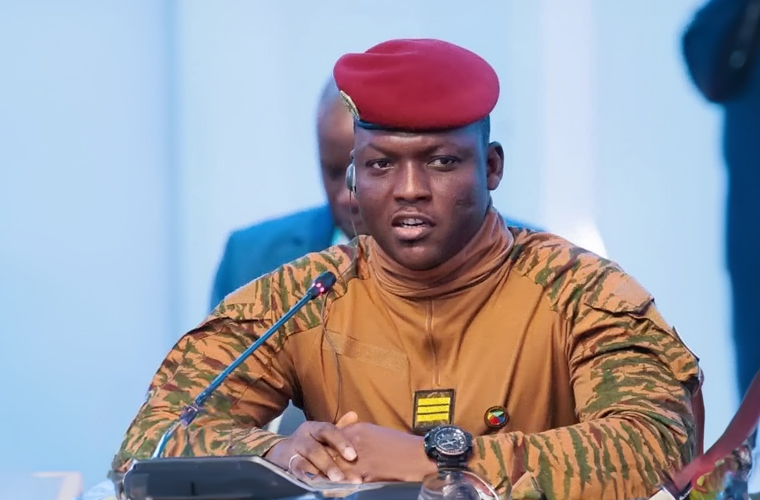
This is a turning point for Black people across the African Diaspora. As Western power declines and African nations reclaim their sovereignty, new pathways are opening. These are the very paths our ancestors dreamed of and our elders fought to keep alive. The visions of Marcus Garvey, Malcolm X, Kwame Nkrumah, and Muammar Gaddafi were never rooted in acceptance by empires built on our suffering. They were rooted in global Black unity, shared wealth, and self-determination. Africa is rising. So must we. The fall of neocolonial influence on the continent is not just a shift in politics. It is an invitation to reconnect, to invest, to rebuild. Black communities around the world have the chance to form direct relationships with the African continent, free from Western gatekeepers. We are not destined to live on the margins of systems designed to exploit us. We are heirs to a global legacy and capable of shaping the next chapter of history. This is more than a political moment. It is a generational opportunity. The question is not whether we belong in the future. The question is whether we are ready to lead it.