Narrative is not the soft side of education. It is evidence. It is the living pulse inside the data we claim to honor. When a student finally asks a peer for help, when a family sees independence taking root at home, when a young person takes a step forward that no scoreboard will ever measure, those moments are the data. The job is not to shrink stories to fit spreadsheets. The job is to structure the story so clearly, so precisely, so truthfully, that no one can deny its weight. Story becomes measurement. Observation becomes evidence. Growth becomes visible.
Category: Classroom Routines
Mentors Built Me, Now We Build Pathways
College and career go together. Use IEP transition planning to combine dual credit, Career and Technical Education, apprenticeships, paid work, and industry certifications. Add mentors from Black owned and community owned businesses, and from real workplaces like professional kitchens. Track completion rates, paid hours, and supervisor feedback with work based learning logs, then organize artifacts with a student Portfolio Checklist.
Differentiation Without Watering Down
Differentiation should lift students to grade level learning, not lower the bar. Keep grade level texts on the table, add accommodations and scaffolds to open access, and monitor progress so supports fade as independence grows.
Make IEP Meetings Strategic
An Individualized Education Program meeting should run like a strategy session. Share the agenda early, review data together, write plain language goals, and leave with a 30 day plan that names actions, owners, and dates. Families walk out knowing exactly what happens next.
Transition Means Jobs, Not Just Paperwork
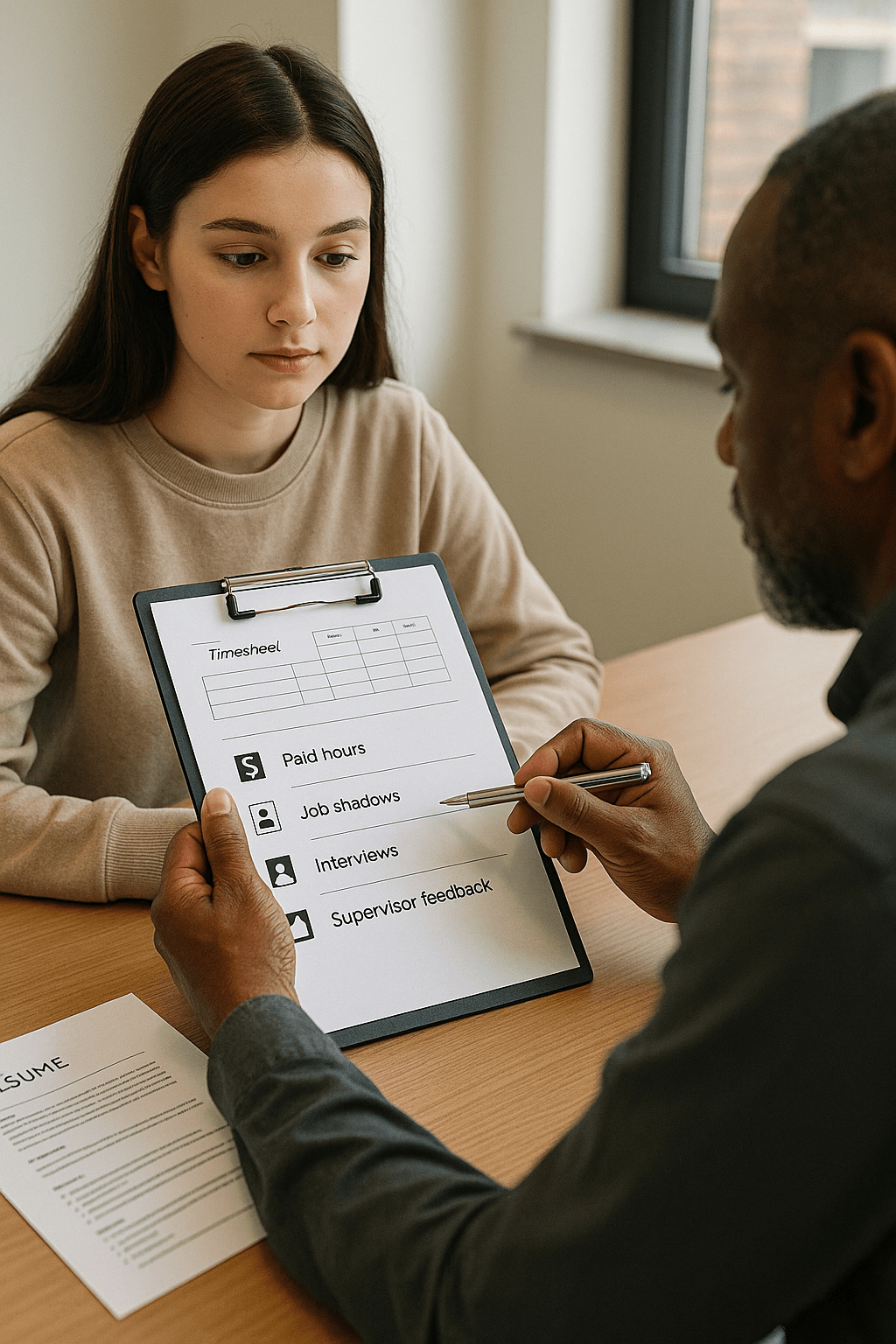
Transition services should produce paychecks and references. Track paid hours, job shadows, interviews, and supervisor feedback. Build a résumé before graduation and connect students with vocational rehabilitation so work continues after high school.
If It Is Not Written, It Did Not Happen
If it is not written, it did not happen. Set a clean baseline for every IEP, build a five-day documentation rhythm, and use clear definitions that honor students. Clean data exposes gaps and drives better service.
Should Teachers Allow Students To Use ChatGPT? Yes, With Purpose, Guardrails, And Age-Appropriate Scaffolds
Teachers should allow ChatGPT with purpose and guardrails. Use it for brainstorming, reading support, feedback, and study help, not to produce final drafts. Start with teacher-led demos in K to 2, guided small-group use in grades 3 to 5, limited independent use with checks in grades 6 to 8, and accountable independent use in grades 9 to 12 and college. Keep equity, privacy, and visible thinking at the center.
Meeting the Moment: How Thoughts Cost Can Help Washington Districts Solve Special Education and Inclusion Gaps
Washington school districts are navigating deep special education funding gaps, staffing shortages, and the complex transition to more inclusive practices. From Seattle to Spokane, districts are reimagining services and calling for state support, yet they also need practical tools that ease workloads and strengthen family partnerships. Thought Cost offers co-planning supports, progress monitoring, and bilingual-ready communication systems to help districts deliver on equity and inclusion, student by student.
Inclusion That Works in Washington | Classroom-Ready Moves | Thoughts Cost
Practical inclusion for Washington classrooms. Three routines you can run this month, no new curriculum required.