
Accountability is a scoreboard. Publish service minutes, IEP progress, and work experiences in public view, disaggregated and privacy-safe. If the data is strong, show it. If it is weak, fix it with a plan.
Scoreboards, Not Press Releases
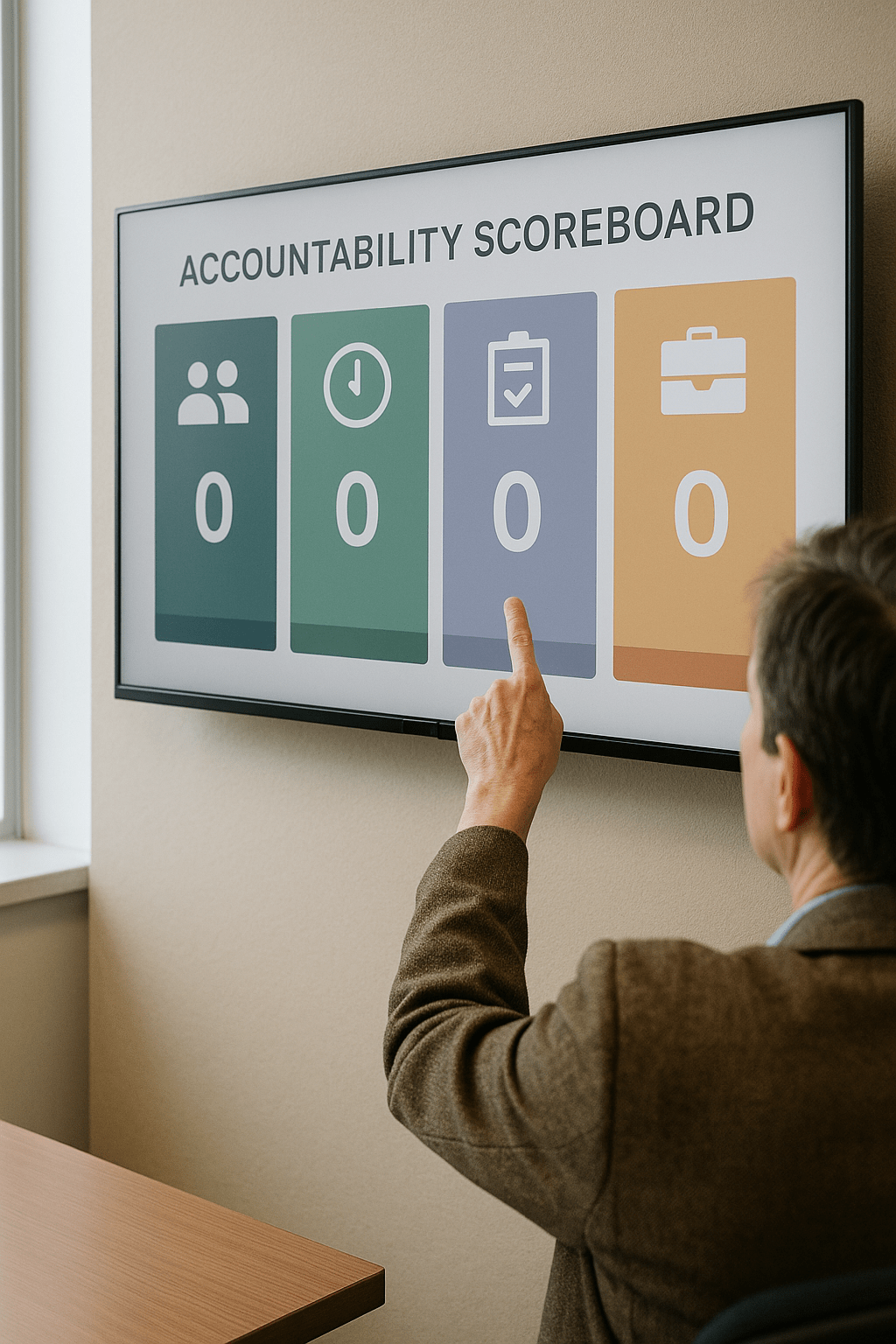

Accountability is a scoreboard. Publish service minutes, IEP progress, and work experiences in public view, disaggregated and privacy-safe. If the data is strong, show it. If it is weak, fix it with a plan.
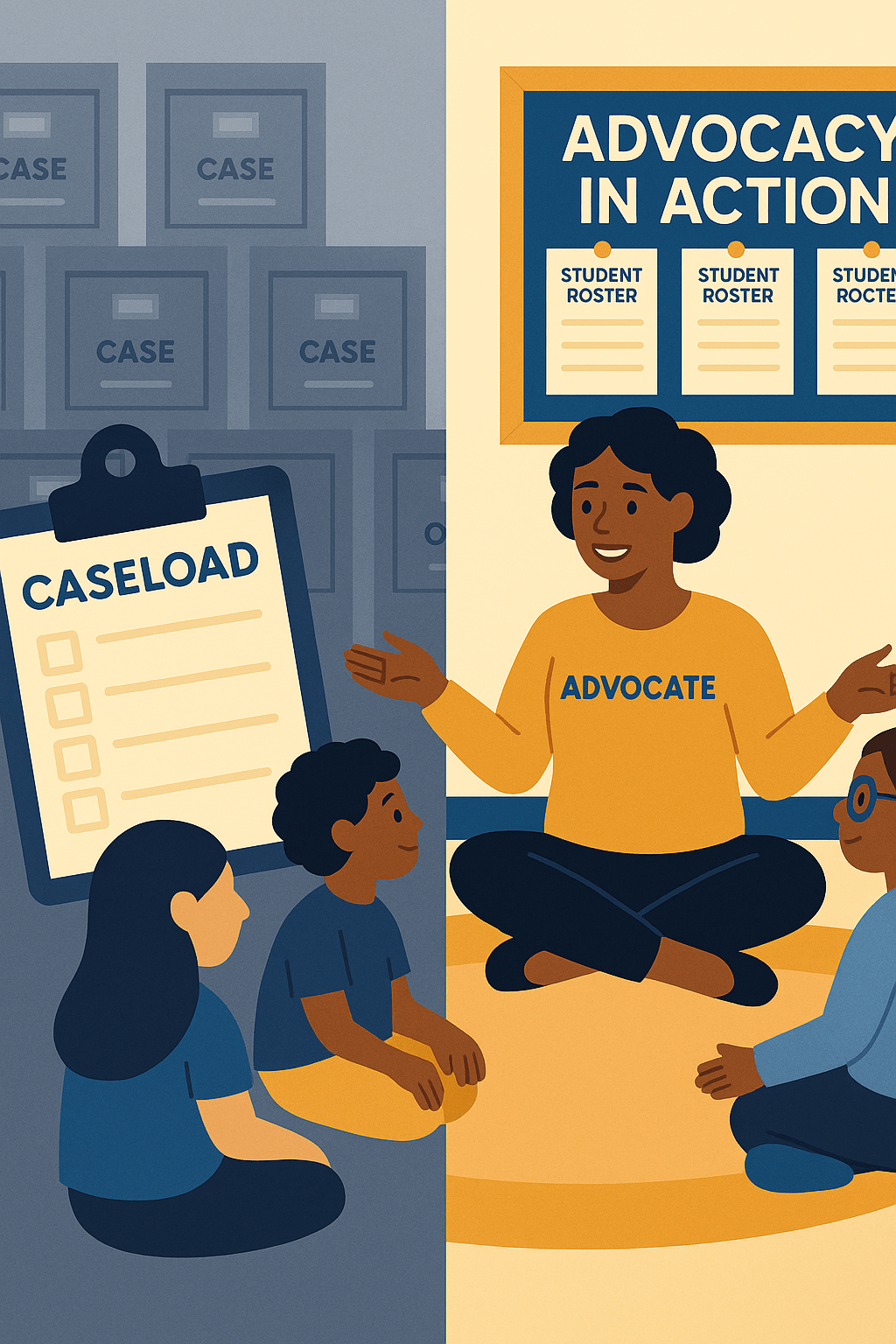
Language in Special Education is not neutral. Terms like “case manager” and “caseload” mirror the criminal justice system, not a learning community. This is a clear connection between SPED and carceral culture. I choose Advocate and Student Roster, because our students are people, not files. Change the language, change the culture.
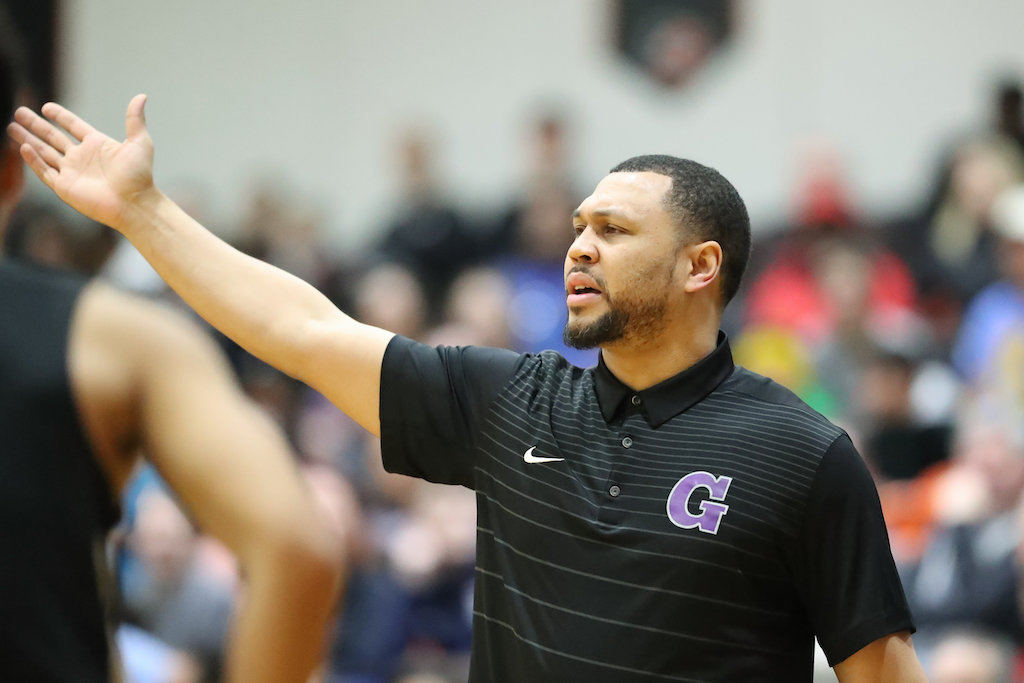
Displacement is not simply economic. It is cultural erasure. What is happening at Garfield is not just the loss of coaches. It is the quiet unraveling of legacy.
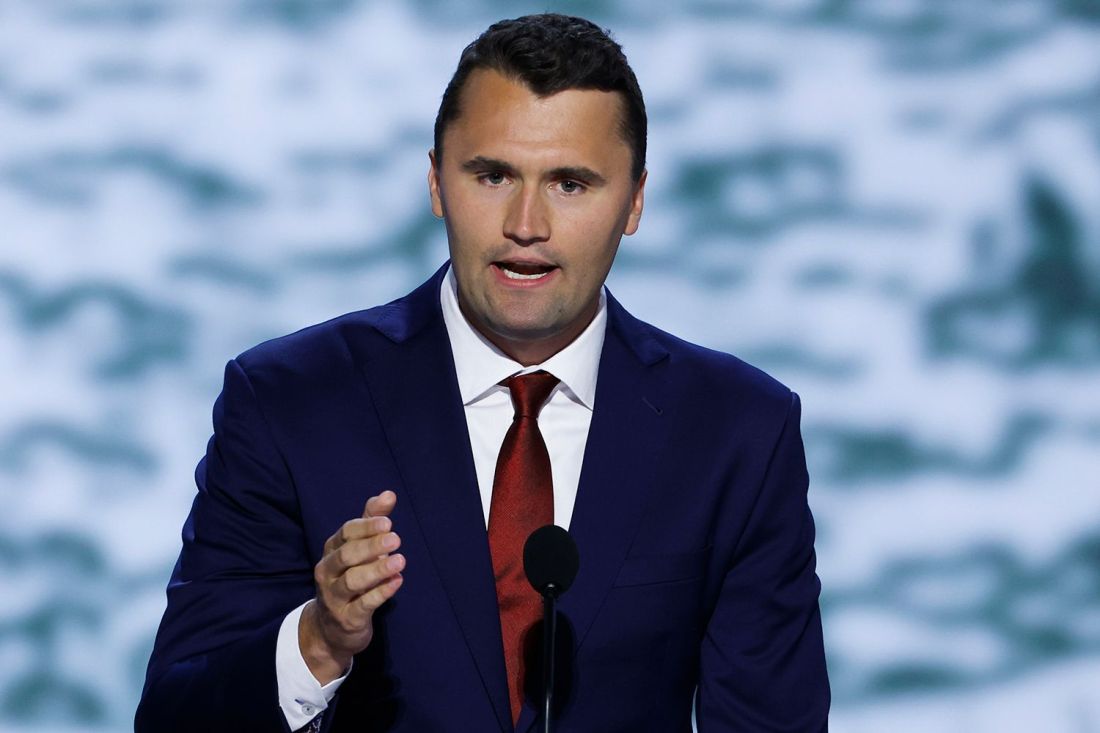
The assassination of Charlie Kirk is not about agreeing with him. I rarely did. It is about what happens when we normalize killing as a response to disagreement. Kirk was not a civil rights leader or a voice for the oppressed, but celebrating his death sets a dangerous precedent. History shows us that when violence becomes acceptable, it eventually targets those fighting for justice. Debate should test ideas, not end lives. If we cheer today, we risk creating a culture where tomorrow even voices we value can be silenced.
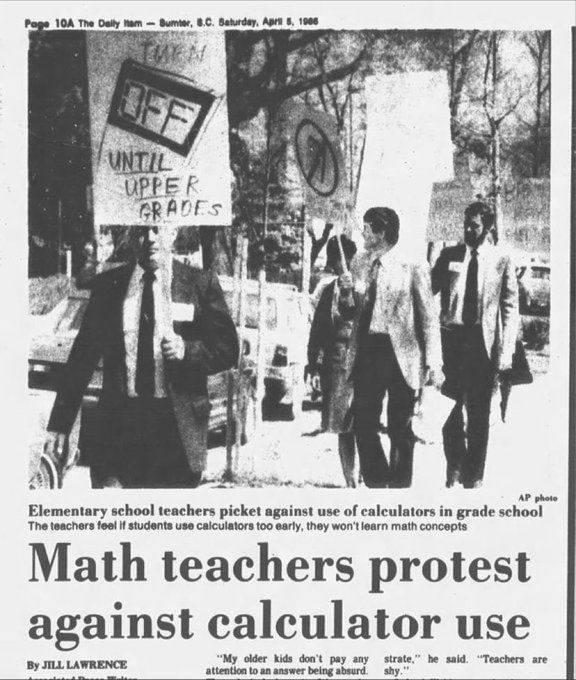
Teachers should allow ChatGPT with purpose and guardrails. Use it for brainstorming, reading support, feedback, and study help, not to produce final drafts. Start with teacher-led demos in K to 2, guided small-group use in grades 3 to 5, limited independent use with checks in grades 6 to 8, and accountable independent use in grades 9 to 12 and college. Keep equity, privacy, and visible thinking at the center.

Washington school districts are navigating deep special education funding gaps, staffing shortages, and the complex transition to more inclusive practices. From Seattle to Spokane, districts are reimagining services and calling for state support, yet they also need practical tools that ease workloads and strengthen family partnerships. Thought Cost offers co-planning supports, progress monitoring, and bilingual-ready communication systems to help districts deliver on equity and inclusion, student by student.
Practical inclusion for Washington classrooms. Three routines you can run this month, no new curriculum required.

Over the past three years, I have invested one hundred seventy-five thousand dollars of my own money into building educational technology solutions designed to close gaps that harm students with disabilities. From VEqual, an immersive virtual school that began as a science lab, to ReadEase, an AI-powered reading tutor, to the AI IEP Assistant that helps teachers focus on delivering services rather than just writing plans, these tools were built to create real change. This is not a story of failure. This is a call for partners who believe in equity, inclusion, and innovation in special education.
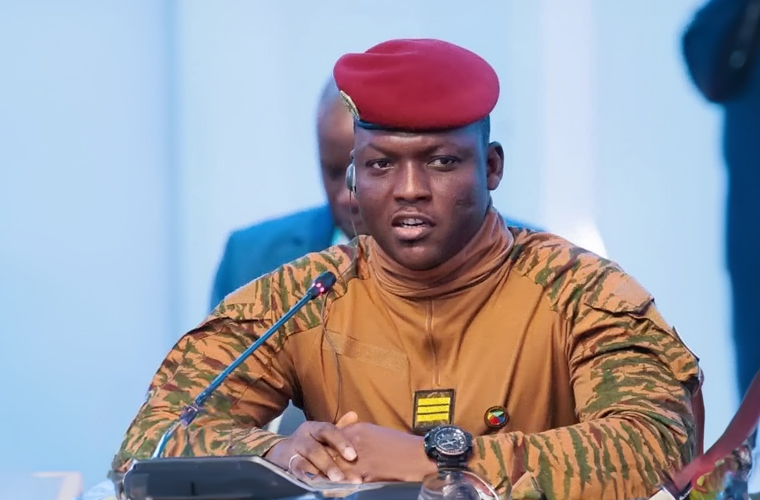
This is a turning point for Black people across the African Diaspora. As Western power declines and African nations reclaim their sovereignty, new pathways are opening. These are the very paths our ancestors dreamed of and our elders fought to keep alive. The visions of Marcus Garvey, Malcolm X, Kwame Nkrumah, and Muammar Gaddafi were never rooted in acceptance by empires built on our suffering. They were rooted in global Black unity, shared wealth, and self-determination. Africa is rising. So must we. The fall of neocolonial influence on the continent is not just a shift in politics. It is an invitation to reconnect, to invest, to rebuild. Black communities around the world have the chance to form direct relationships with the African continent, free from Western gatekeepers. We are not destined to live on the margins of systems designed to exploit us. We are heirs to a global legacy and capable of shaping the next chapter of history. This is more than a political moment. It is a generational opportunity. The question is not whether we belong in the future. The question is whether we are ready to lead it.
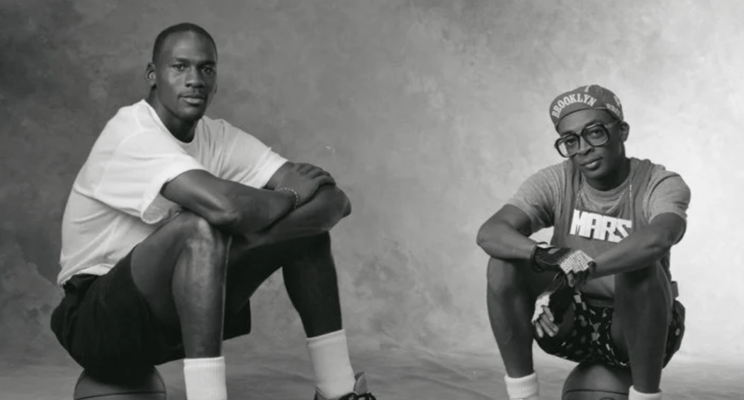
Black filmmakers have never simply told stories. They have reclaimed history, challenged false narratives, and built culture that shapes generations. From Malcolm X to Boyz n the Hood, these films did more than entertain. They educated, empowered, and demanded recognition. Their creators did not wait for permission. They built their own lanes, ensuring that Black stories would not just be told but told correctly.

