Fannie Lou Hamer: The Woman Who Refused to Back Down
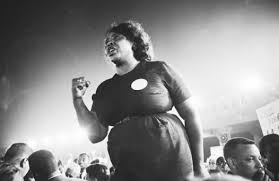
Fannie Lou Hamer was dragged into a Mississippi jail and beaten until her body could barely function. White officers forced two Black prisoners to assault her while they stood by, ensuring the punishment was carried out. The blows left her with permanent kidney damage, a blood clot in her eye, and lifelong injuries that never healed. She was left bruised, broken, and in pain, yet she never stopped fighting. She stood before the nation and told the truth about what was done to her, refusing to let fear or violence silence her.

Beyond Tulsa: The Black Wall Streets America Tried to Erase

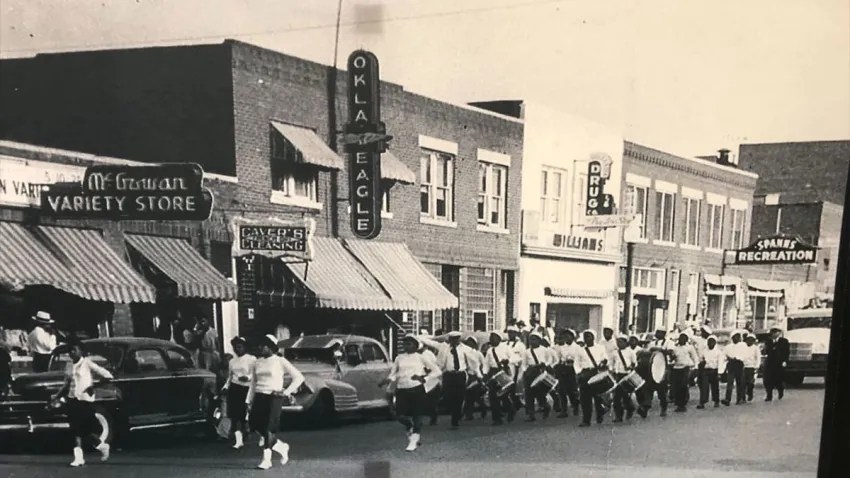
Erased from history, The systematic destruction of Black wealth, White terrorism and economic sabotage, Black economic power under attack, Thriving Black towns across America, The untold history of Black Wall Streets, Black prosperity stolen, Government-sanctioned racism, Urban renewal as a weapon, Highways through Black communities, Economic warfare against Black businesses, Massacres and land theft, The legacy of Black economic independence, White America’s war on Black success, The racial wealth gap is by design, Black Wall Streets beyond Tulsa, The hidden history of Black affluence, Black excellence erased, The fight for reparations, White mobs burned Black towns, Black financial independence targeted, What America refuses to teach, Why Black prosperity was dismantled, Black towns were more than Tulsa, The lasting impact of economic racism, Economic violence against Black America, How white America destroyed Black wealth.

A.G. Gaston: The Power of Black Wealth and the Divide in Black Liberation

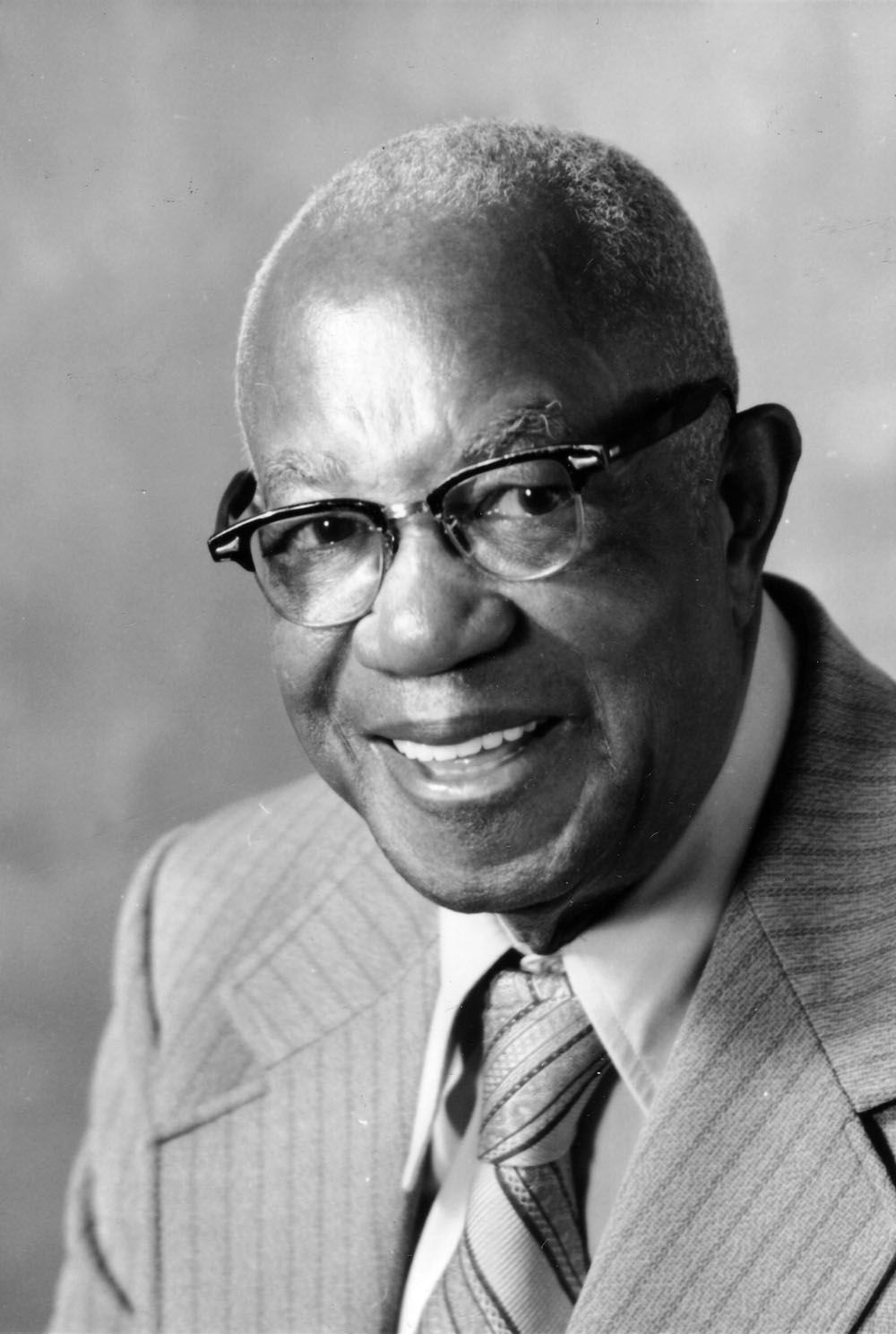
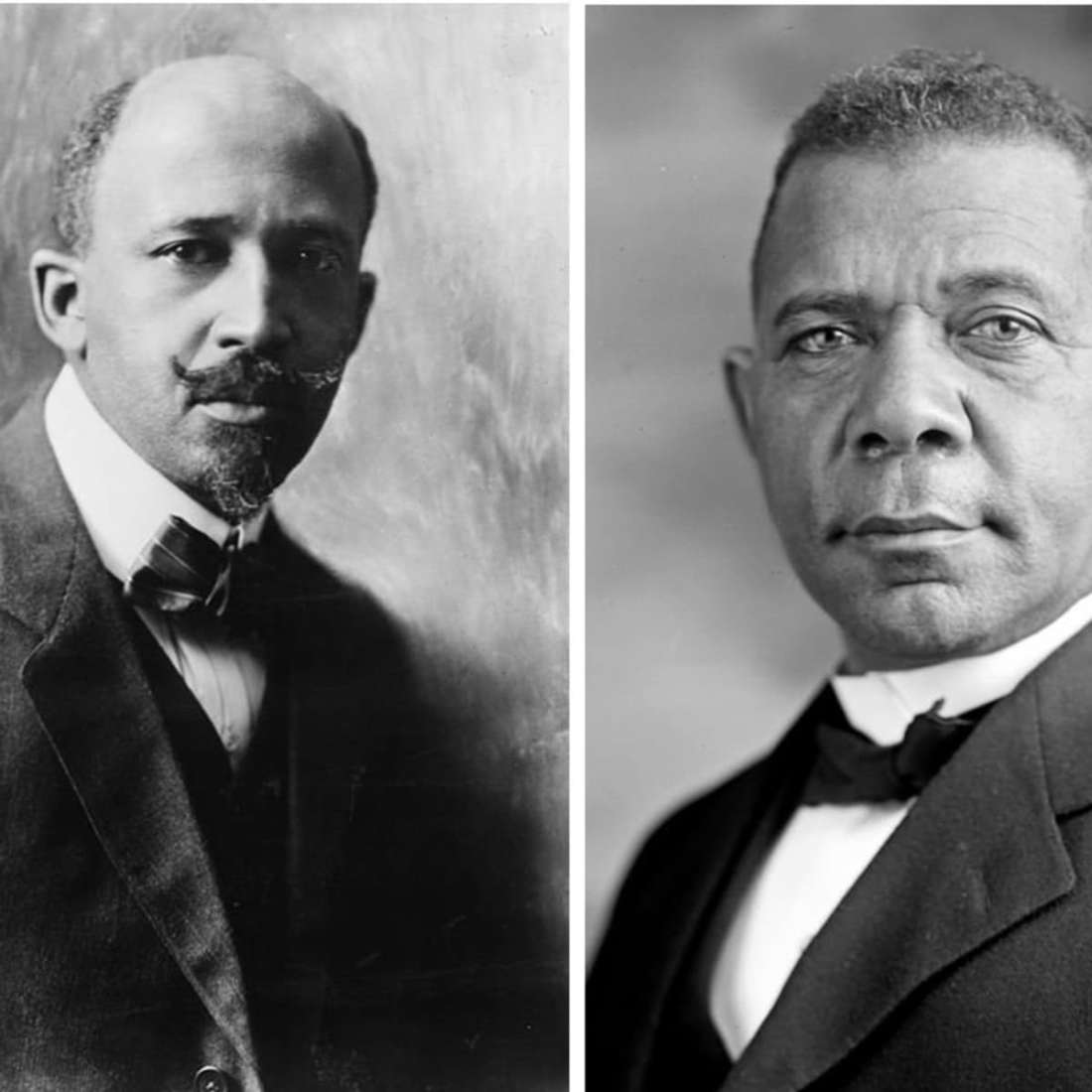
A.G. Gaston believed that Black economic power was the path to true liberation. He saw wealth as the key to breaking the cycle of oppression. He built institutions that served Black people in an era where few others did. His success proved that Black communities could create their own wealth, their own businesses, and their own economies. His life laid out a blueprint for financial independence, proving that ownership was not just about money but about power, survival, and dignity.

Cultivating Excellence: Rethinking Culture and Opportunity in Black America

Black American culture, forged in the fires of resilience, has given the world immeasurable gifts: jazz, hip-hop, the civil rights movement, and countless innovations in art, literature, and science. Yet within this brilliance lies a dichotomy. The glorification of success often becomes tied to entertainment and athletics, eclipsing the quieter triumphs of engineers, scientists, and mathematicians.

The Wayans Family: A Legacy of Satire and Reclaiming Black Identity

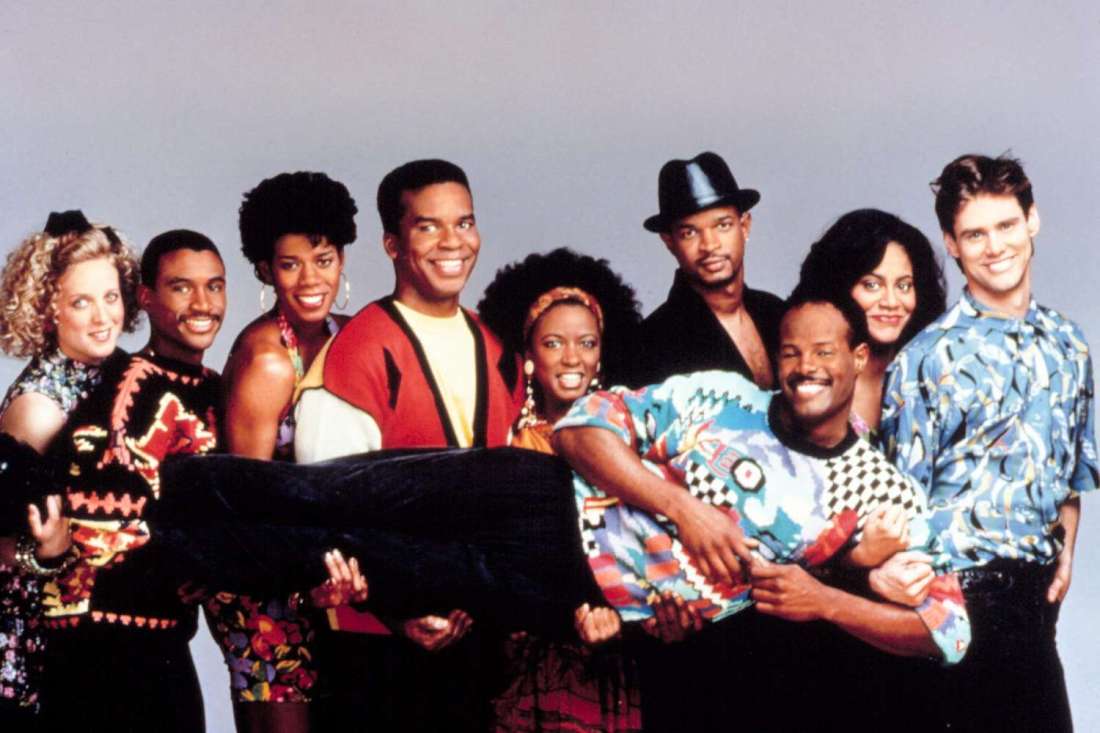
he Wayans family’s use of satire was not just about laughs, it was about reclaiming Black identity from limiting stereotypes. Keenan and Damon challenged the idea of being the "safe" Black man, while Marlon and Shawn refused to fit into any mold at all. Together, they showed that true representation is not about conforming to someone else’s expectations but about being fully authentic.

Discrediting The Greatness Of Wilt and Russell? Let’s Expose the Absurdity of Such Claims

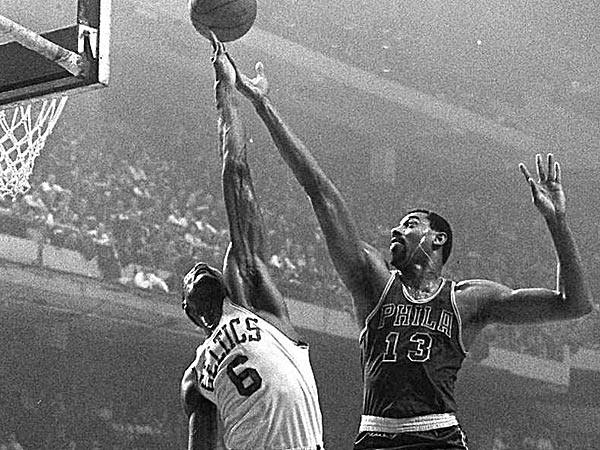
Discrediting Wilt Chamberlain and Bill Russell because the league was only 20% Black is ignorant. These men were pioneers, enduring racism, death threats, and media attacks while dominating the NBA. Clyde Frazier has spoken about the racism Black players endured well into the 1980s. Today’s NBA, where players stay at luxury resorts, exists because Wilt, Russell, and others fought for dignity and equality. The NBA is 80% Black because of their efforts, on and off the court. Respect your elders. The game would not be what it is today without them.

The Changing Role of Guards: What We Gained and What We Lost

The evolution of guard play in the NBA has shifted from versatile post-up skills to a perimeter-focused game. Guards like Mark Jackson, Gary Payton, and Chauncey Billups mastered the art of scoring and facilitating from the post, a skill set that is less common in today’s fast-paced, three-point-heavy game. While modern guards excel in shooting and quickness, the lost art of post-up play provided a unique versatility that defined previous generations. Jalen Brunson is one of the few modern players who still embodies this throwback style.

Athleticism vs. Rule Changes: The Real Evolution of the NBA

The idea that today's NBA players are far more athletic than those from the 90s is a common narrative, but the data doesn't fully support this claim. NBA Combine results from 2000 to 2019 show little improvement in key athletic metrics like speed, vertical leap, and agility. Instead, rule changes, such as banning hand-checking and legalizing zone defenses, have had a greater impact on the pace and style of the game. These changes created the perception of a faster, more athletic league, even though players' raw physical capabilities have not drastically changed.

Gil Should Honor the Legacy of “Inside the NBA”

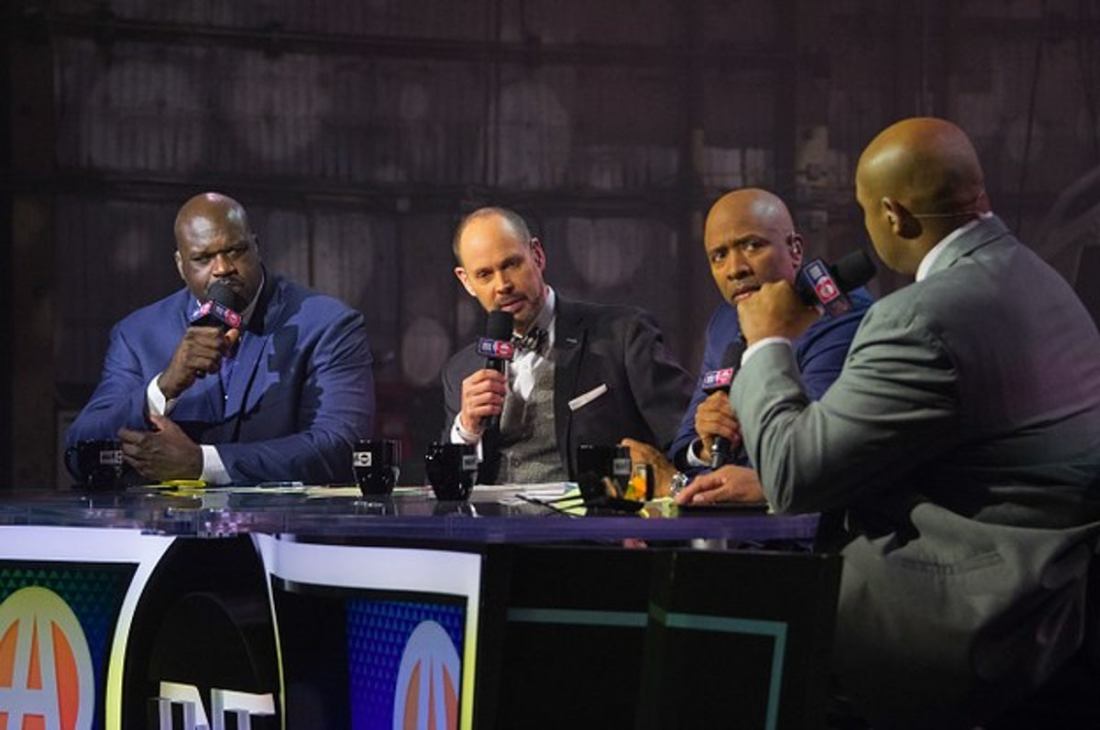
As "Inside the NBA" faces an uncertain future, it's important for voices like Gil's to recognize the show's immense impact. This beloved program set the standard for sports media, paving the way for candid basketball commentary and entertaining millions of fans. Its potential loss could lead to a significant dip in viewership, as many tune in religiously for its unique blend of humor and insight.

Revisiting the Roots of the Civil War: A Letter to Ambassador Nikki Haley

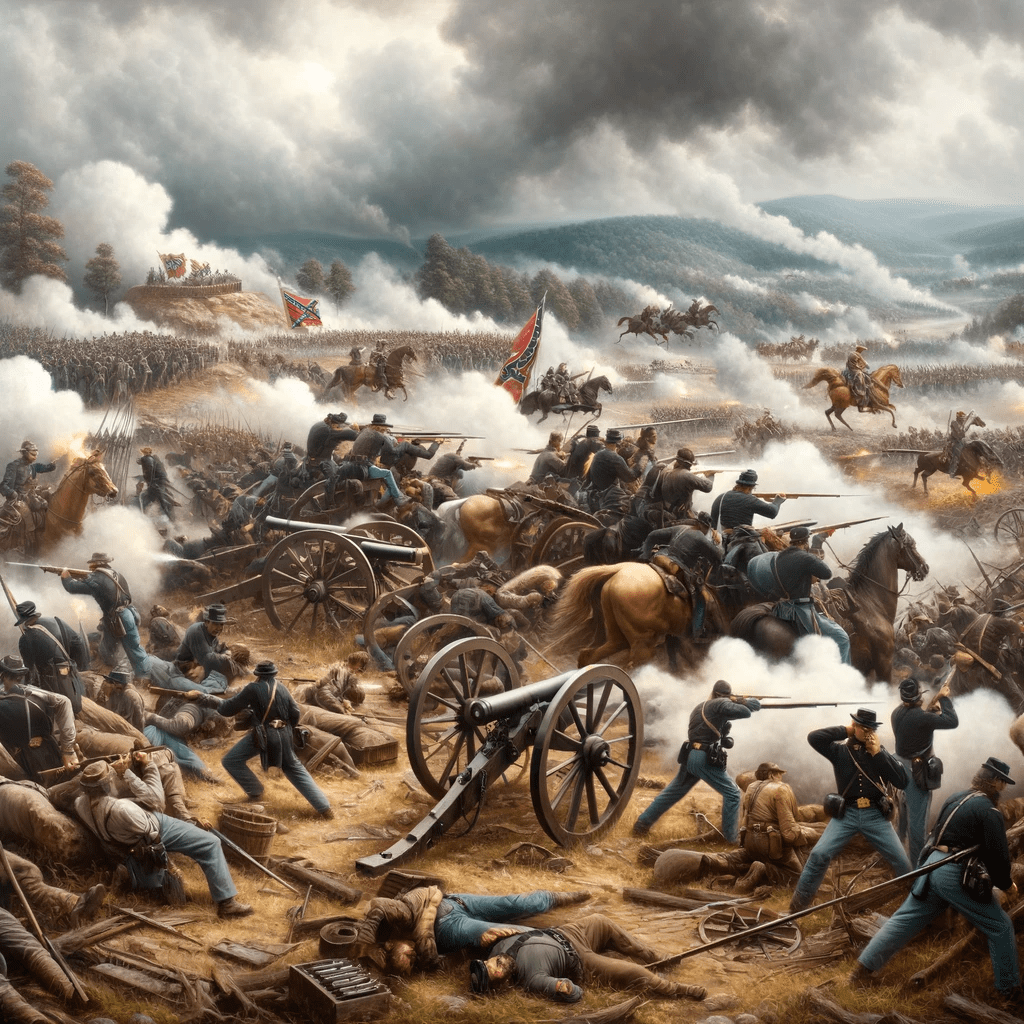
In this open letter to Ambassador Nikki Haley, the complex causes of the Civil War are explored beyond the traditional narrative of states' rights. It emphasizes the integral role of slavery, particularly its racial underpinnings, in sparking this defining conflict in American history. The letter urges a more comprehensive understanding of the Civil War, recognizing the neglect of slavery's impact and the influence of white supremacist views on such limited interpretations of history.