In a recent development, Umar Johnson's critique of Vanessa Bryant's use of Kobe Bryant's wealth raises crucial questions about philanthropy and community support. This controversy has ignited a broader debate on the responsibility of the affluent in uplifting underprivileged communities. The discourse extends beyond individual actions, probing deeper into systemic issues of wealth distribution and educational equity. It's a moment that calls for introspection and action in the realm of community investment and empowerment.
Category: History
Navigating the Crossroads of Allegiance
In the early 1990s, a young Black child, growing up in a family deeply aware of America's fraught racial history, was taught an invaluable lesson by his parents: the power of protest. This lesson came at a time when the Pledge of Allegiance was a daily ritual in schools, a symbol of national unity. My … Continue reading Navigating the Crossroads of Allegiance
Redefining the Impact of White Individuals on Social Constructs
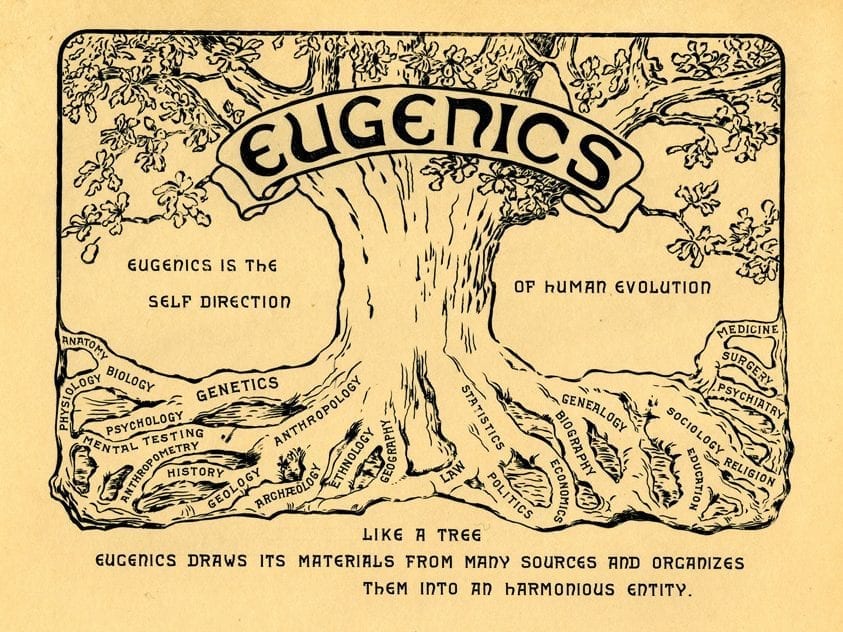
In the vast tapestry of our world, the influence of social constructs and their impact on society looms large. Throughout history, certain social constructs have been erected and dismantled, often with white individuals at the forefront. This blog aims to delve deep into this intricate realm, shedding light on the instances where white individuals have wielded significant influence in shaping social constructs. It is an exploration of the intersection where gender and race converge, unraveling the intricate dynamics of power, privilege, racism, and equality. One cannot deny the indelible mark left by white individuals on social constructs. Take Carl Linnaeus, the renowned Swedish botanist, for example. His meticulous classification of humanity into racial groups birthed the abhorrent concept of scientific racism, perpetuating racial hierarchies and providing a foundation for discriminatory practices. Similarly, the eugenics movement, though not exclusive to white individuals, found acceptance in Western societies, resulting in forced sterilizations and systemic discrimination against marginalized communities. History tells tales of white figures who exploited their positions of power to perpetuate and justify racial oppression. These instances expose the troubling truth that social constructs can be wielded as weapons, enforcing inequality and sowing suffering. Such realities prompt us to examine the complex relationship between race and gender, where intersecting identities shape experiences, opportunities, and privileges. However, there is a pressing concern to be addressed—an impregnable shield created by gender that deflects conversations about racism and equality. Power dynamics and privilege influence perspectives, hindering a comprehensive understanding of the lived realities of marginalized racial groups. By unmasking this veil and scrutinizing these dynamics without hesitation, we can reveal the trials faced by diverse communities, paving the way toward a more inclusive society. The path to progress lies in embracing intersectionality—the convergence of gender and race. By confronting the distinct struggles experienced by different communities, we can dismantle oppressive social constructs. This endeavor requires the active engagement of individuals of all races, as unity is the key to forging a future steeped in equity and justice. In conclusion, the influence of white individuals on social constructs throughout history cannot be overlooked. Understanding this impact and its intersections with gender and race is crucial in dismantling oppressive systems and striving for a more inclusive and just society. By examining our past, addressing present issues, and actively working toward a better future, we redefine the role of white individuals in shaping social constructs, ultimately paving the way for a more equitable world.

Unveiling the Dark Past: Forced Sterilization and Castration – A Haunting Chapter in History
In the shadows of our history lie stories so chilling, so grotesque, that they haunt our collective memory. Forced sterilization and castration, once hidden from the public eye, emerge as macabre chapters in the annals of power and control. These atrocities, driven by deeply ingrained prejudices and fueled by white supremacist ideologies, left indelible scars on the lives of marginalized communities. Imagine a world where individuals, solely based on their race or perceived undesirability, were robbed of their ability to bear children. The very essence of reproductive autonomy torn asunder, generations of Indigenous and melanated women were subjected to this grave violation. Their bodies, once a symbol of life and resilience, were subjected to the whims of those who sought to manipulate the genetic fabric of society. And the cries of injustice, muted by a complicit system, echoed through the corridors of time. But it was not only women who bore the brunt of this abomination. Black men, their bodies already burdened by the weight of oppression, faced an even more insidious fate. Castration, an act of unspeakable violence, sought to emasculate them, stripping away their agency and reducing them to objects of domination. This calculated assault on their humanity was designed to reinforce a social order built on the subjugation of black bodies. As we grapple with the horrors of this past, we are confronted with difficult questions. Why have these atrocities been shrouded in silence? Why has the truth been relegated to the fringes of our historical narrative? The answers lie in a systemic erasure, a deliberate act to conceal the sins of the past and perpetuate a distorted reality. To confront this dark chapter head-on is to unveil the truth, no matter how painful it may be. It is an act of remembrance, a solemn commitment to honor the victims and acknowledge the depths of human depravity. By bringing these stories to light, we reclaim their voices and ensure that the atrocities they endured will not be forgotten. In the face of this haunting history, we must bear witness and seek justice. We must learn from the past to forge a future where such atrocities are never repeated. The journey towards healing and reconciliation begins with acknowledging the darkness within our own narratives and working tirelessly to dismantle the structures that allowed these horrors to unfold. May the echoes of the past guide us towards a more just and compassionate society, where the dignity and autonomy of every individual are upheld, and the shadows of forced sterilization and castration are forever banished from our collective consciousness.
The Forgotten Champions: Remembering the 1982 Cheyney University Lady Wolves
As we celebrate Women's History Month, remember the historic accomplishments of the 1982 Cheyney University Lady Wolves basketball team. Let's recognize and celebrate the legacy of C. Vivian Stringer and the talented athletes who chose to attend an HBCU. And let's work towards a more equitable and just sports culture for all, where the accomplishments of all athletes, regardless of their background or identity, are recognized and celebrated.
Black History Lesson Plan Workshop at the Burke Museum: Promoting Black History Education
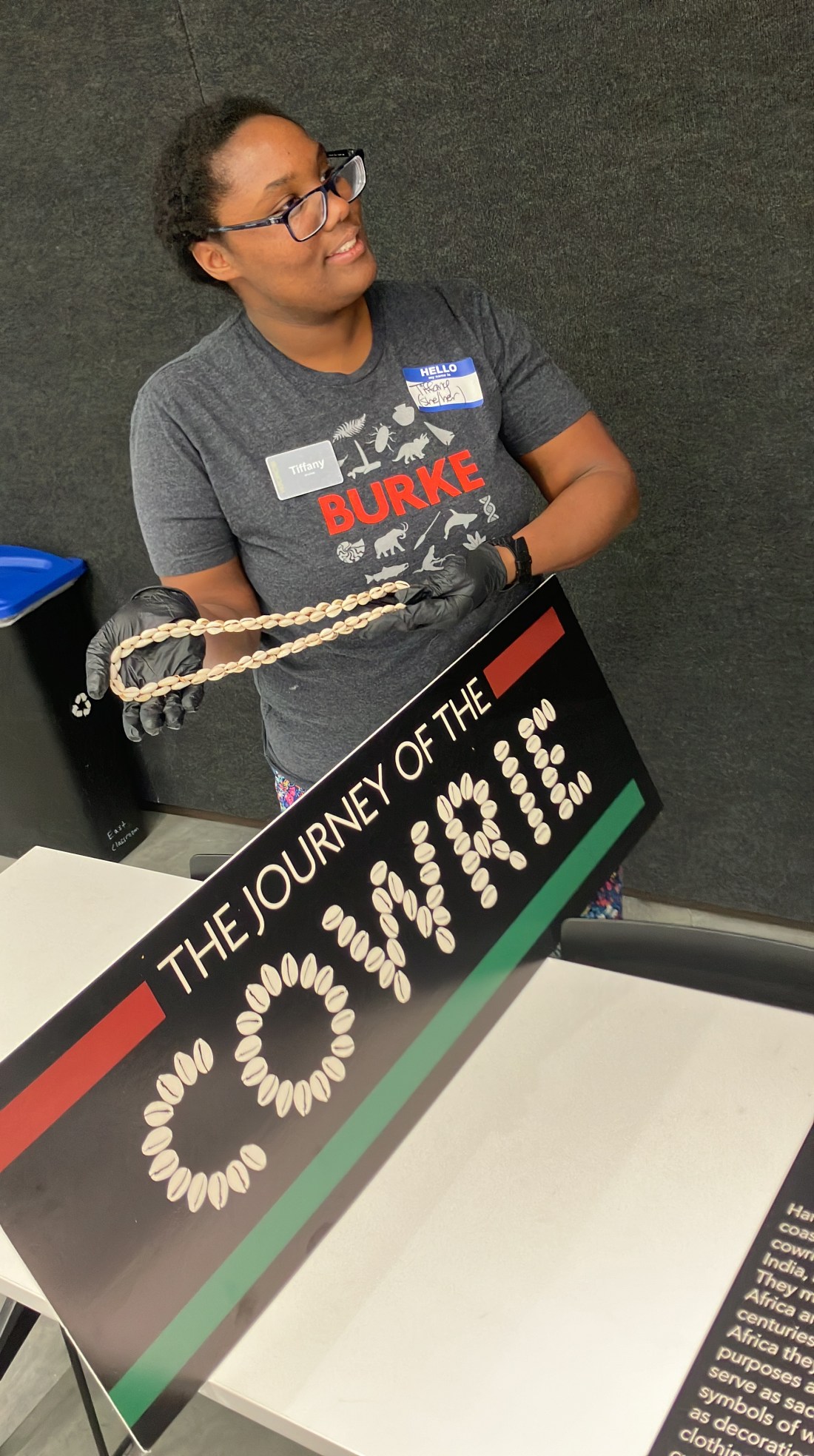
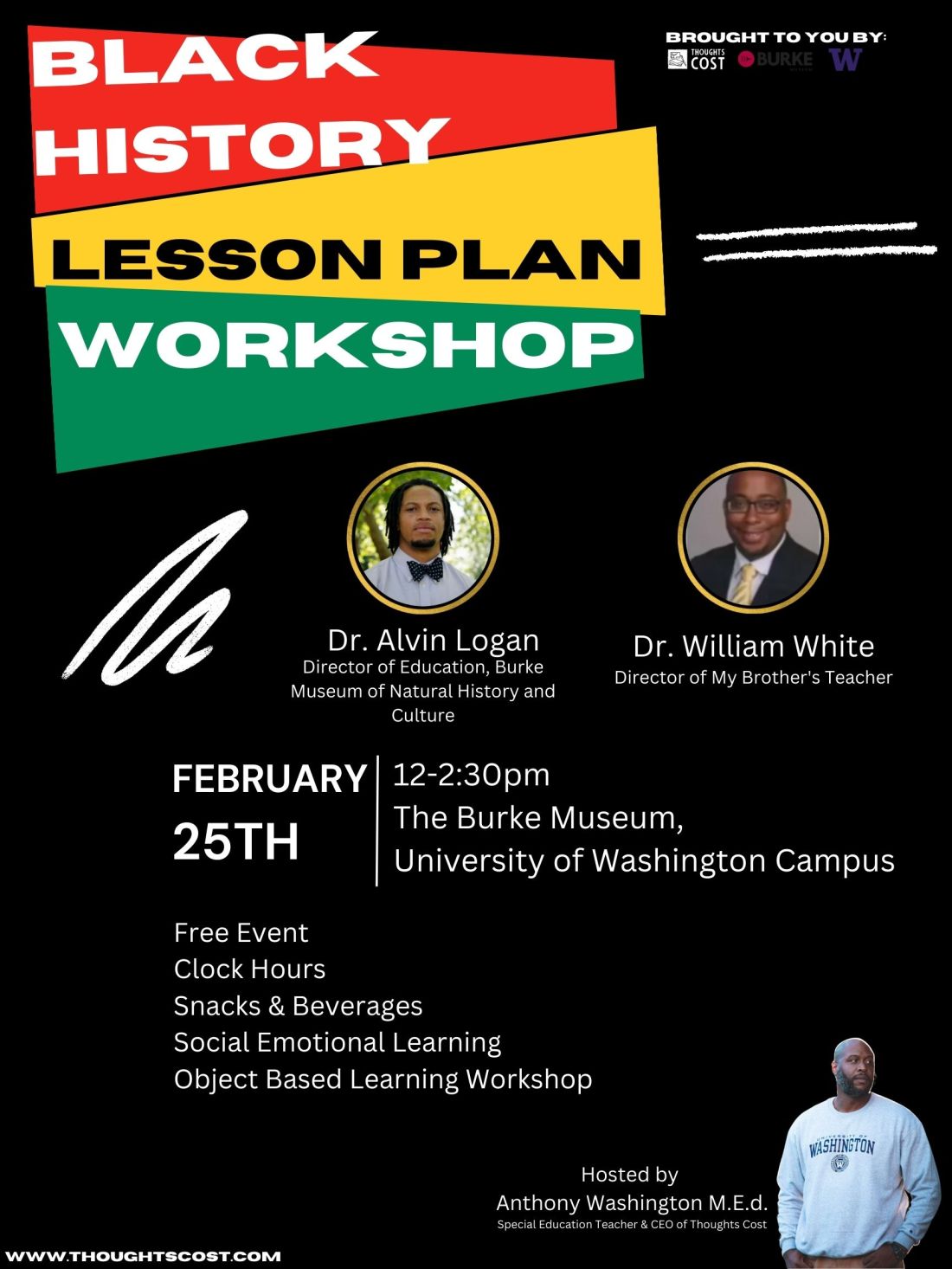
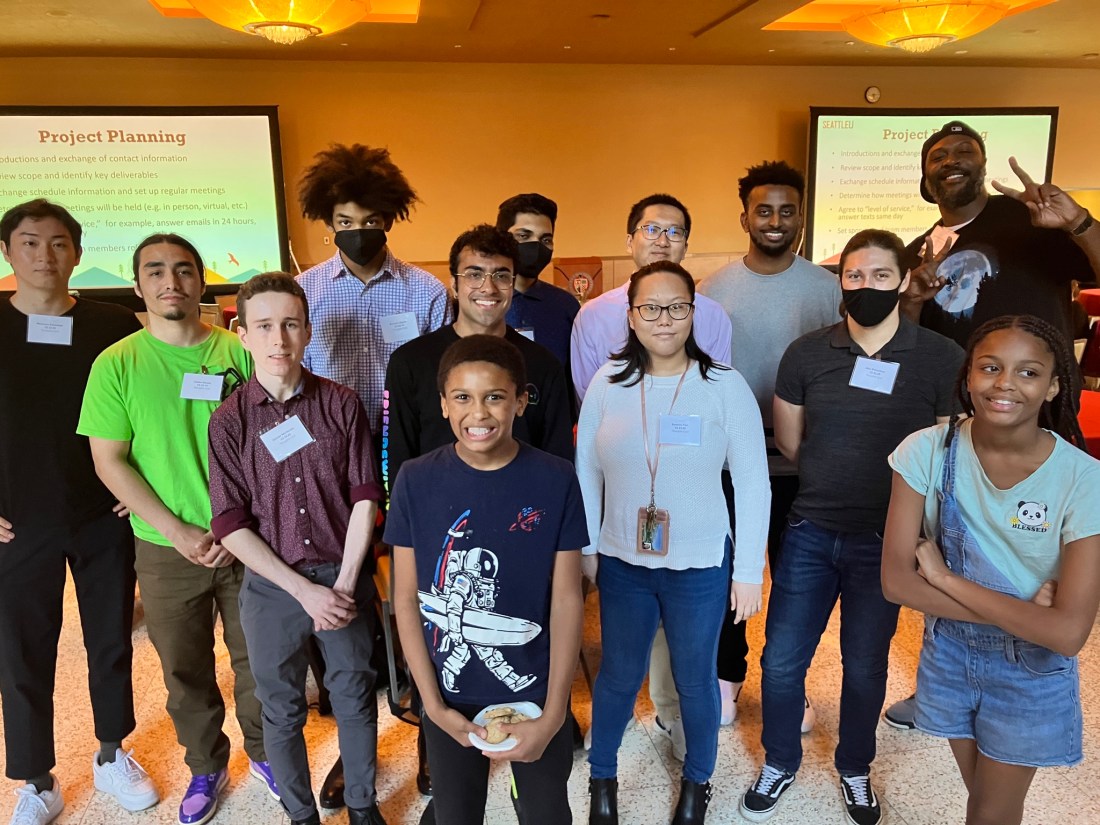
The Black History Lesson Plan Workshop held at the Burke Museum on February 25th, 2023, brought educators, administrators, and community members together to explore the importance of Black history education and share resources and strategies for incorporating Black history into teaching and learning.
Burke Museum to Host Black History Lesson Plan Workshop: Distinguished Speakers to Share Strategies for Incorporating Black History and Social Emotional Learning in Education
Seattle, WA - The Burke Museum on the University of Washington campus will be hosting a dynamic and engaging Black History Lesson Plan Workshop on February 25th, 2023, from 12:00 pm to 2:30 pm. The event, organized by Thoughts Cost LLC CEO Anthony Washington, aims to bring together educators, administrators, and community members to explore … Continue reading Burke Museum to Host Black History Lesson Plan Workshop: Distinguished Speakers to Share Strategies for Incorporating Black History and Social Emotional Learning in Education
The Power of Athlete Activism: Kareem Abdul-Jabbar and Lebron James’ Legacy Beyond the Scoreboard
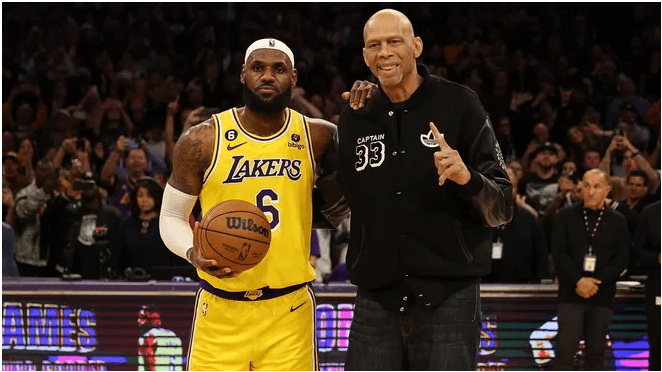
Kareem Abdul-Jabbar and Lebron James are more than just basketball players. They are advocates, activists, and leaders using their platforms to create a better world. The all-time scoring record is a significant accomplishment, but it is only a tiny part of their legacy. They will be remembered as two of the greatest basketball players of all time, and as two of the greatest advocates for justice and equality, the sports world has ever seen.
Revolutionizing Education: Bridging the Divide with Virtual Science Labs
Many special education students are pushed out of science classes, which can have dire consequences for their future success. With virtual science labs, we can provide a safe and accessible environment for these students to engage in science experiments, just like their peers. This not only helps to improve their academic performance but also provides a sense of inclusion and belonging, which is essential for their overall well-being.
Breaking the Chains of Outdated Invoicing: A Call to Action for Small Business Equity
The current invoicing system is simply not designed to support small businesses like mine. The practice of paying small businesses, especially minority-owned businesses, a month or more after the work has been completed is unjust and unfair. This outdated system causes immense harm to small business owners and their day-to-day operations and needs to be changed.