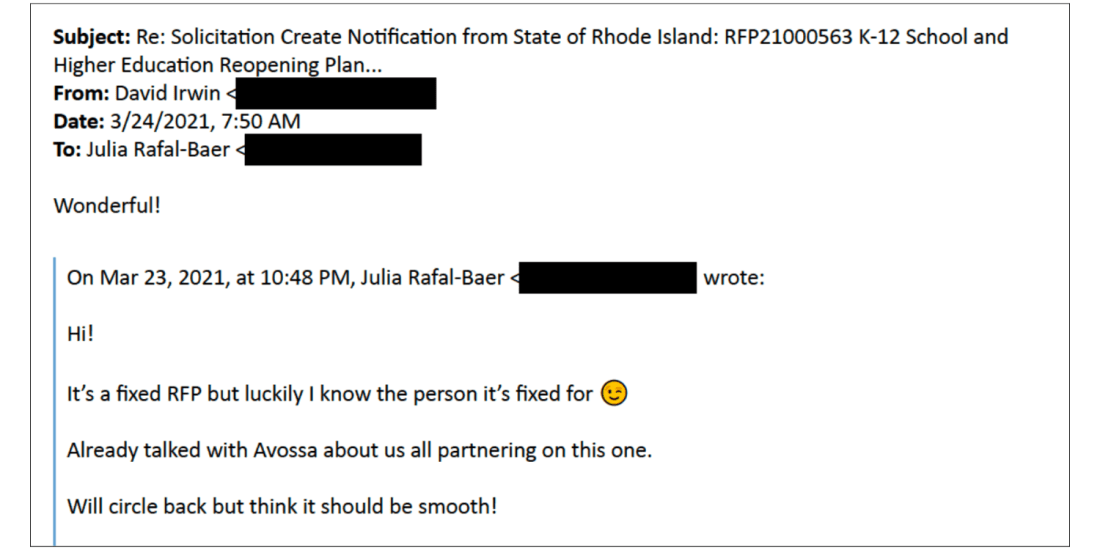
An email exchange revealing concerns about a potentially manipulated Request for Proposal (RFP) process in Rhode Island's education sector. Gatekeeping, "Statewide" Work, and Black Kids in Washington Somebody in Rhode Island hit send on an email that most people in education politics only say out loud behind closed doors. "It's a fixed RFP, but luckily … Continue reading Fixed For Who
Category: inclusion
Tracking Gen-Ed Minutes as Inclusion Proof: Who We Believe Our Children Are
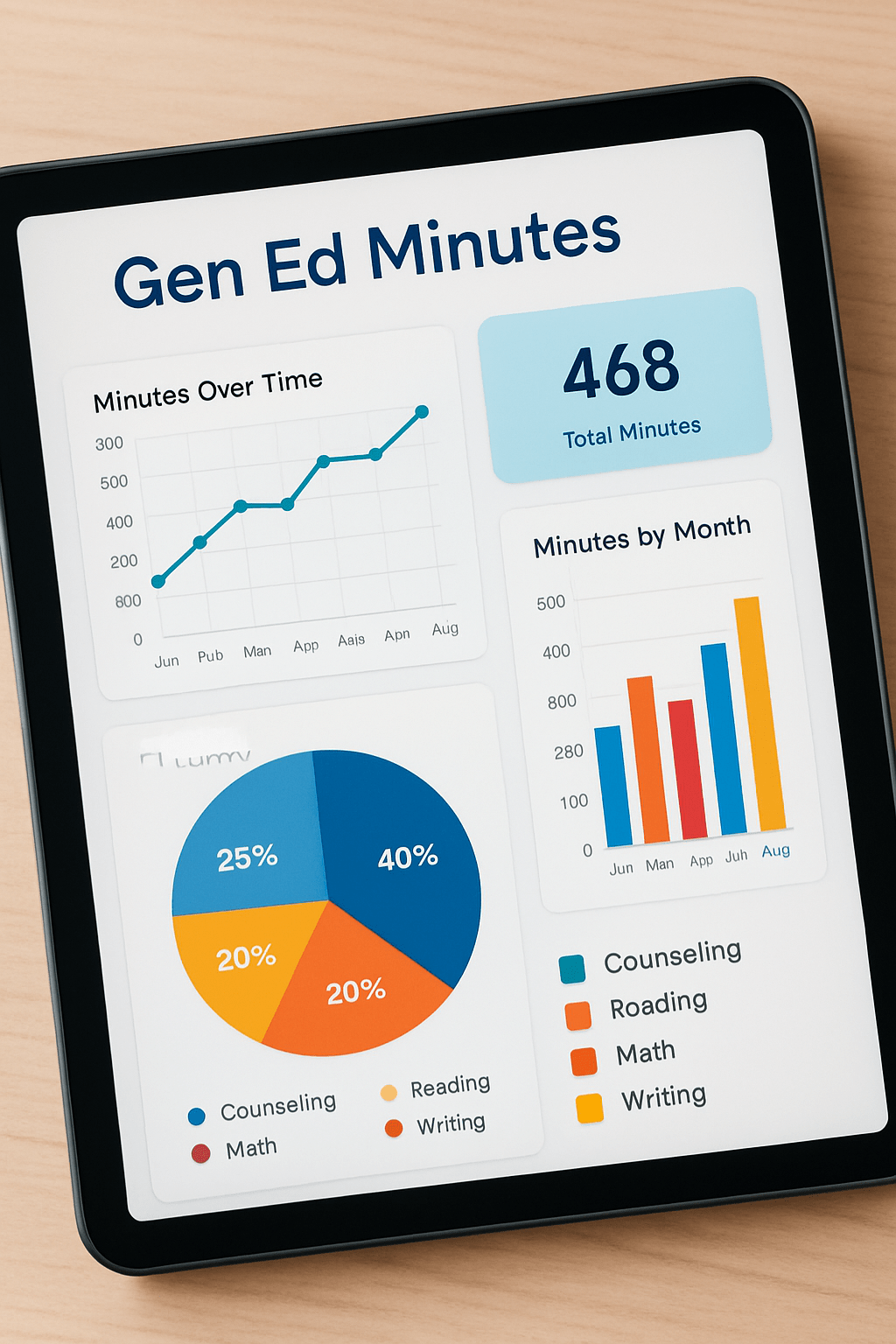
In every school building, there is a quiet arithmetic that tells the truth long before any mission statement does. It is not the language on the walls, not the slogans about excellence or equity. It is the simple count of where a child spends their minutes. Those minutes do not lie. They testify. For students with IEPs, general education minutes are not a small technical detail in a long document. They are a declaration of belief. They reveal whether a system sees a child as a full member of the learning community or as a visitor, escorted in and out of spaces where other children are presumed to belong by default. If we claim to believe in equity, then we must count the minutes where that equity is either practiced or denied. The minutes tell the story. Tracking them is how we decide to stop lying to ourselves about who our schools are truly built for.
Mentors Built Me, Now We Build Pathways
College and career go together. Use IEP transition planning to combine dual credit, Career and Technical Education, apprenticeships, paid work, and industry certifications. Add mentors from Black owned and community owned businesses, and from real workplaces like professional kitchens. Track completion rates, paid hours, and supervisor feedback with work based learning logs, then organize artifacts with a student Portfolio Checklist.
Community Partners Are Multipliers
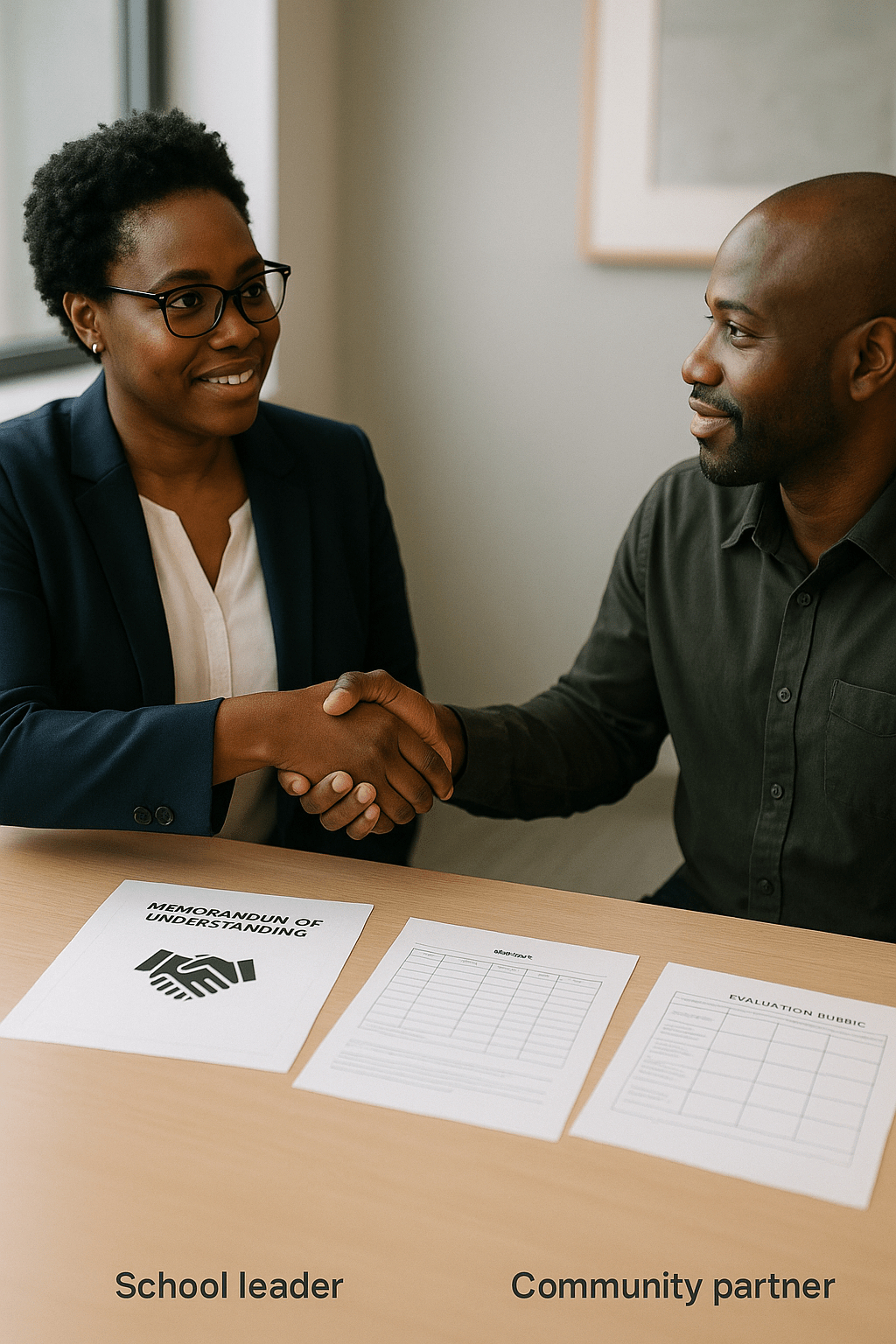
Partnerships work best when they are local, accountable, and organized. Build a partner database that centers Black-owned and community-owned businesses, secures MOUs and DSAs that comply with FERPA, matches students by IEP supports and interests, tracks paid hours and outcomes, and publishes a quarterly dashboard. System beats heroics.
Differentiation Without Watering Down
Differentiation should lift students to grade level learning, not lower the bar. Keep grade level texts on the table, add accommodations and scaffolds to open access, and monitor progress so supports fade as independence grows.
Should Teachers Allow Students To Use ChatGPT? Yes, With Purpose, Guardrails, And Age-Appropriate Scaffolds
Teachers should allow ChatGPT with purpose and guardrails. Use it for brainstorming, reading support, feedback, and study help, not to produce final drafts. Start with teacher-led demos in K to 2, guided small-group use in grades 3 to 5, limited independent use with checks in grades 6 to 8, and accountable independent use in grades 9 to 12 and college. Keep equity, privacy, and visible thinking at the center.
Meeting the Moment: How Thoughts Cost Can Help Washington Districts Solve Special Education and Inclusion Gaps
Washington school districts are navigating deep special education funding gaps, staffing shortages, and the complex transition to more inclusive practices. From Seattle to Spokane, districts are reimagining services and calling for state support, yet they also need practical tools that ease workloads and strengthen family partnerships. Thought Cost offers co-planning supports, progress monitoring, and bilingual-ready communication systems to help districts deliver on equity and inclusion, student by student.
Inclusion That Works in Washington | Classroom-Ready Moves | Thoughts Cost
Practical inclusion for Washington classrooms. Three routines you can run this month, no new curriculum required.