Washington is finally moving away from a model that labeled children off a test score gap and toward one that asks a simple question first: how were they taught. For students who were pushed into Special Education because of discipline, bias, or adult frustration, this shift is a chance to stop hiding harm inside an SLD label and start telling the truth with instructional data. Thoughts Cost has been calling for this since Covid, when it became obvious that you cannot call it a disability if a student never had a real shot at learning.
Category: Race and Racism
Tracking Gen-Ed Minutes as Inclusion Proof: Who We Believe Our Children Are
In every school building, there is a quiet arithmetic that tells the truth long before any mission statement does. It is not the language on the walls, not the slogans about excellence or equity. It is the simple count of where a child spends their minutes. Those minutes do not lie. They testify. For students with IEPs, general education minutes are not a small technical detail in a long document. They are a declaration of belief. They reveal whether a system sees a child as a full member of the learning community or as a visitor, escorted in and out of spaces where other children are presumed to belong by default. If we claim to believe in equity, then we must count the minutes where that equity is either practiced or denied. The minutes tell the story. Tracking them is how we decide to stop lying to ourselves about who our schools are truly built for.
The Weight of Lenny Wilkens
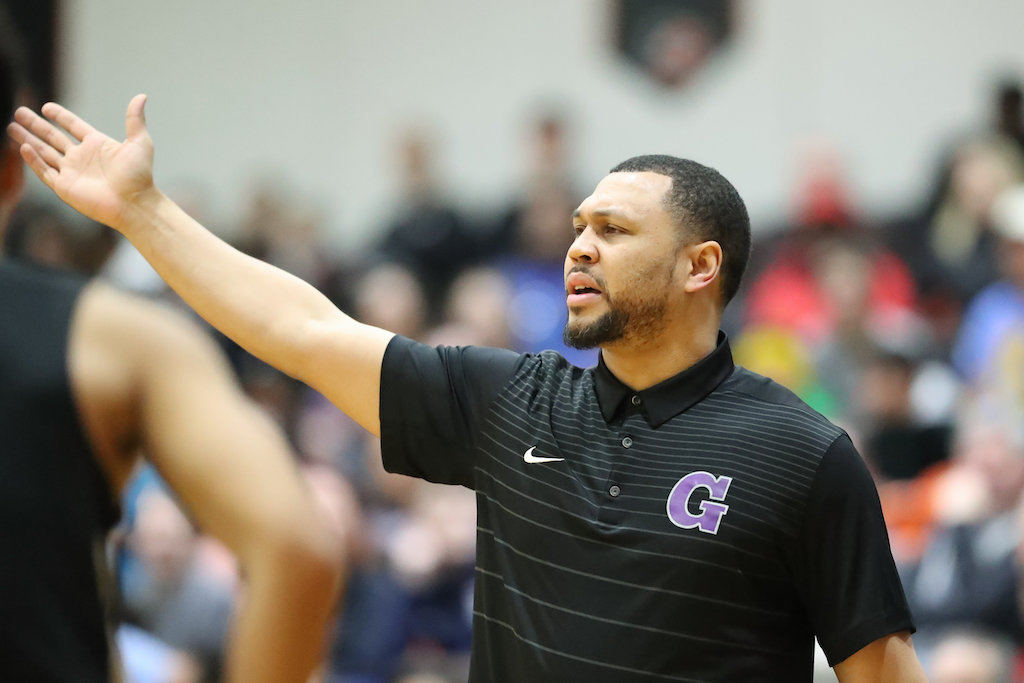
There are lives that refuse spectacle and still command a room. Mr. Wilkens carried a peculiarly American burden with grace, coaching while playing, teaching while enduring, and choosing generosity over noise. The life he built is a text we must read carefully.
Rigor Is Love for Black Students With Disabilities
Rigor is love. Black students with disabilities deserve grade-level instruction, weekly wins, and tutoring that responds to real data. Lowered expectations protect adults. High expectations with support protect futures.
The Game We’re Losing: Displacement, Garfield, and the Legacy We Abandon
Displacement is not simply economic. It is cultural erasure. What is happening at Garfield is not just the loss of coaches. It is the quiet unraveling of legacy.
Disagreement Should Not Equal Death
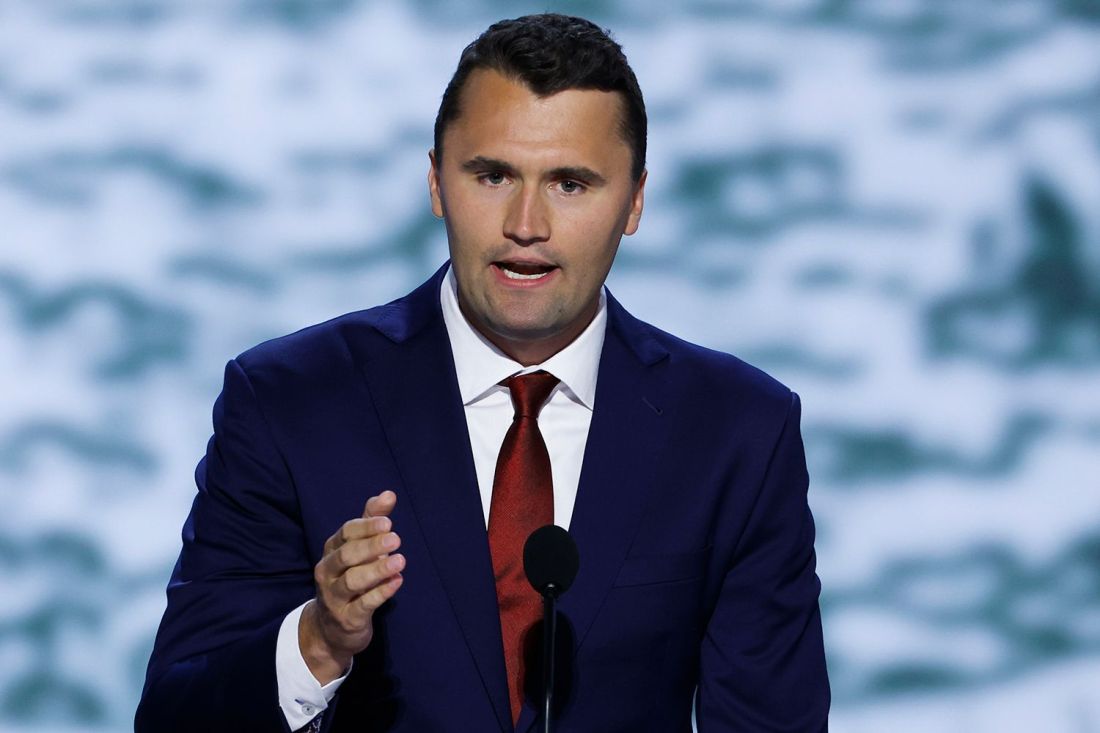
The assassination of Charlie Kirk is not about agreeing with him. I rarely did. It is about what happens when we normalize killing as a response to disagreement. Kirk was not a civil rights leader or a voice for the oppressed, but celebrating his death sets a dangerous precedent. History shows us that when violence becomes acceptable, it eventually targets those fighting for justice. Debate should test ideas, not end lives. If we cheer today, we risk creating a culture where tomorrow even voices we value can be silenced.
Arch Manning’s Dad Is Not A Quarterback
Arch Manning may become a very good player, he is not a generational talent today. Coverage gives him patience that Black quarterbacks rarely receive for similar performances. The same mistakes are framed as growth for him and as limits for them. Hold every quarterback to the same standard, judge by production not pedigree.
Power, Ego, and the Cost of Control: The Micah Parsons Trade and Jerry Jones’ Cowboys
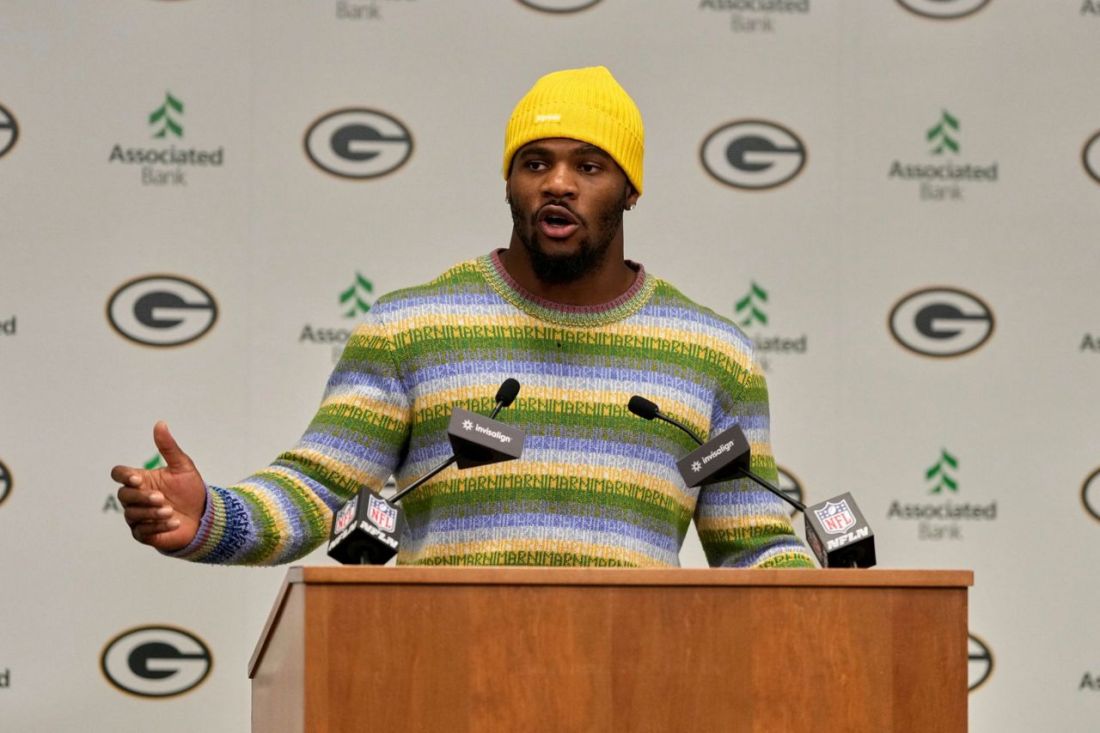
Micah Parsons’ exit from Dallas reads less like cap math and more like a power story. This piece examines how control, representation, and ego shaped the Cowboys’ decision, considers the Green Bay fit, and situates the moment within the broader history of Black labor, ownership culture, and athlete autonomy in American sport.
The Desperation of a Declining Empire
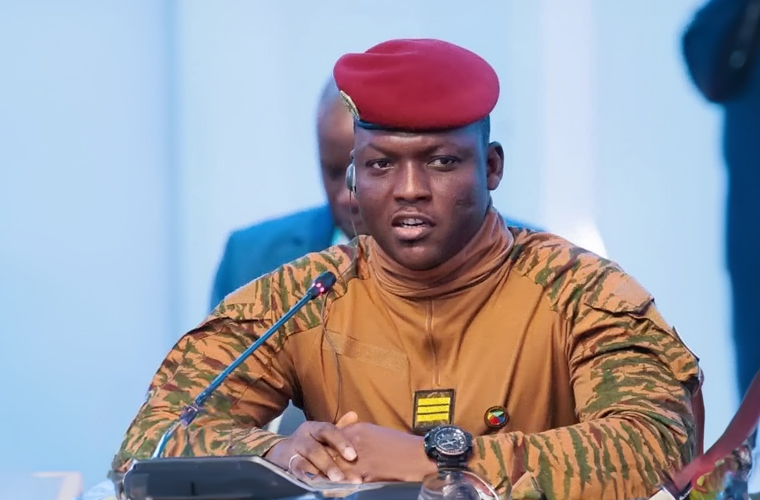
This is a turning point for Black people across the African Diaspora. As Western power declines and African nations reclaim their sovereignty, new pathways are opening. These are the very paths our ancestors dreamed of and our elders fought to keep alive. The visions of Marcus Garvey, Malcolm X, Kwame Nkrumah, and Muammar Gaddafi were never rooted in acceptance by empires built on our suffering. They were rooted in global Black unity, shared wealth, and self-determination. Africa is rising. So must we. The fall of neocolonial influence on the continent is not just a shift in politics. It is an invitation to reconnect, to invest, to rebuild. Black communities around the world have the chance to form direct relationships with the African continent, free from Western gatekeepers. We are not destined to live on the margins of systems designed to exploit us. We are heirs to a global legacy and capable of shaping the next chapter of history. This is more than a political moment. It is a generational opportunity. The question is not whether we belong in the future. The question is whether we are ready to lead it.
Unapologetic: The Power and Responsibility of Black Cinema
Black filmmakers have never simply told stories. They have reclaimed history, challenged false narratives, and built culture that shapes generations. From Malcolm X to Boyz n the Hood, these films did more than entertain. They educated, empowered, and demanded recognition. Their creators did not wait for permission. They built their own lanes, ensuring that Black stories would not just be told but told correctly.