The Uniqueness of Black Capitalism: A Letter from the Margins

Black capitalism is unique because it has had no choice but to be. It has been defined by its need to function in opposition, to build wealth that does not exploit but sustains, to find ways to exist in a system that has sought to erase it. This is not an argument for blind faith in capitalism. It is not a dismissal of the way capitalism has harmed Black people. It is a recognition that Black economic strategies have always been different. They have never been about conquest. They have been about survival. If the word capitalism carries too much weight, if it conjures images of greed and destruction, then call it something else. Call it what it has always been: resistance. Call it what it has always meant: survival. Call it what it has always sought to build: a future that cannot be stolen.

York, the Buffalo Soldiers, and the Price of Serving an Empire

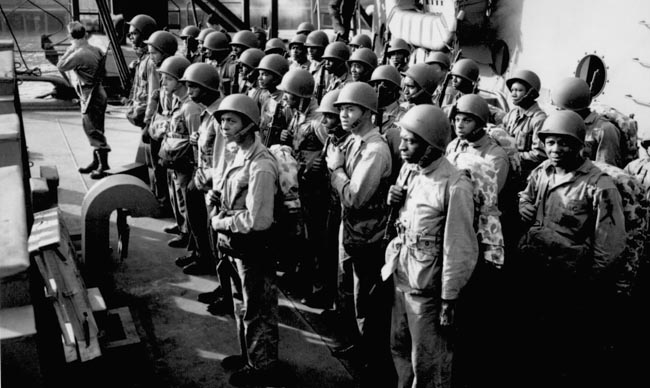
York’s contributions were essential to the success of the Lewis and Clark Expedition. Without him, they might not have survived. He hunted for food when supplies ran low, traded with Indigenous tribes to secure safe passage, and endured the same grueling conditions as his white counterparts. Decades later, Buffalo Soldiers faced a similar contradiction, serving a nation that had freed them from slavery but used them to oppress others.

Fannie Lou Hamer: The Woman Who Refused to Back Down

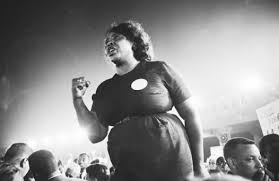
Fannie Lou Hamer was dragged into a Mississippi jail and beaten until her body could barely function. White officers forced two Black prisoners to assault her while they stood by, ensuring the punishment was carried out. The blows left her with permanent kidney damage, a blood clot in her eye, and lifelong injuries that never healed. She was left bruised, broken, and in pain, yet she never stopped fighting. She stood before the nation and told the truth about what was done to her, refusing to let fear or violence silence her.

Jason Whitlock’s Argument is Built on Historical Amnesia

Jason Whitlock dismisses the significance of Black quarterbacks winning Super Bowls, claiming the struggle is over because they align with the Black population percentage. This ignores decades of exclusion, position-switching, and denied opportunities. Warren Moon had to prove himself in Canada before the NFL gave him a chance. Doug Williams broke barriers by winning a Super Bowl. Eldridge Dickey, the first Black quarterback drafted in the first round, was never allowed to play his natural position. History matters until Black quarterbacks are no longer asked to change positions or have their intelligence questioned differently. The league must acknowledge the past rather than erase it. Jaylen Hurts winning a Super Bowl is progress. If celebrating Black excellence makes Whitlock uncomfortable, that is his burden to bear.

Beyond Tulsa: The Black Wall Streets America Tried to Erase

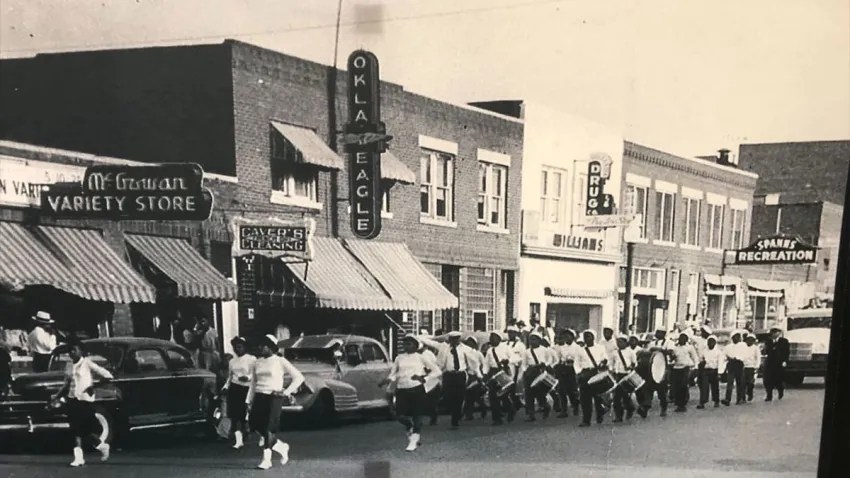
Erased from history, The systematic destruction of Black wealth, White terrorism and economic sabotage, Black economic power under attack, Thriving Black towns across America, The untold history of Black Wall Streets, Black prosperity stolen, Government-sanctioned racism, Urban renewal as a weapon, Highways through Black communities, Economic warfare against Black businesses, Massacres and land theft, The legacy of Black economic independence, White America’s war on Black success, The racial wealth gap is by design, Black Wall Streets beyond Tulsa, The hidden history of Black affluence, Black excellence erased, The fight for reparations, White mobs burned Black towns, Black financial independence targeted, What America refuses to teach, Why Black prosperity was dismantled, Black towns were more than Tulsa, The lasting impact of economic racism, Economic violence against Black America, How white America destroyed Black wealth.

The Unseen Weight: Black Women, DEI, and the Quiet Call for Recognition

Black women, DEI backlash, Diversity Equity and Inclusion, Black excellence, Black women in education, Black women in leadership, systemic racism, affirmative action, white women and DEI, labor history, Black success, racial discrimination, Kamala Harris, merit vs. DEI, Black women in the workforce, educational attainment, media bias, Black resilience, historical labor trends, corporate diversity, Black professionals

A.G. Gaston: The Power of Black Wealth and the Divide in Black Liberation

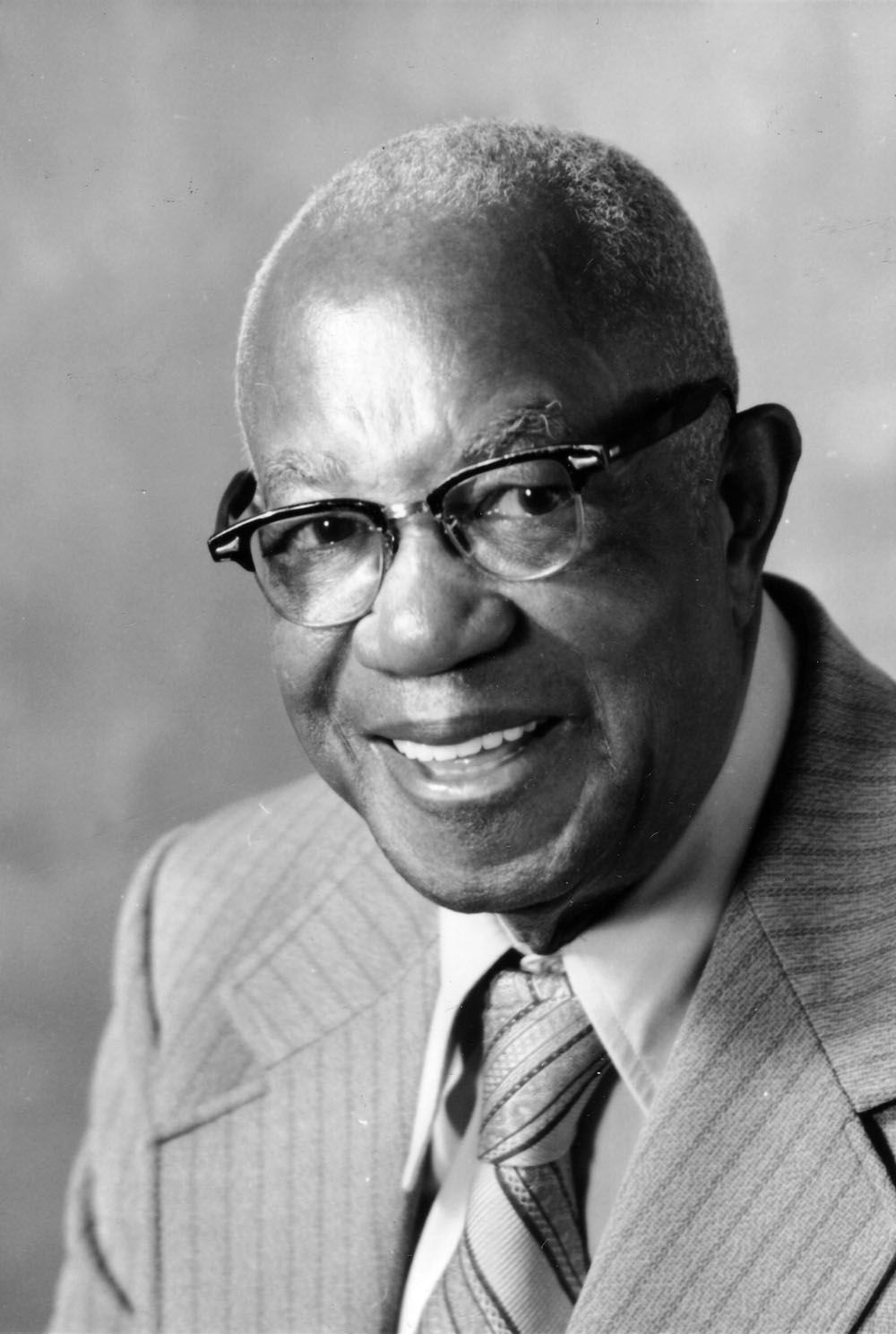
A.G. Gaston believed that Black economic power was the path to true liberation. He saw wealth as the key to breaking the cycle of oppression. He built institutions that served Black people in an era where few others did. His success proved that Black communities could create their own wealth, their own businesses, and their own economies. His life laid out a blueprint for financial independence, proving that ownership was not just about money but about power, survival, and dignity.

Cultivating Excellence: Rethinking Culture and Opportunity in Black America

Black American culture, forged in the fires of resilience, has given the world immeasurable gifts: jazz, hip-hop, the civil rights movement, and countless innovations in art, literature, and science. Yet within this brilliance lies a dichotomy. The glorification of success often becomes tied to entertainment and athletics, eclipsing the quieter triumphs of engineers, scientists, and mathematicians.

The Double Standard of Justice: TD Bank’s Crimes and the Unfairness of America’s Legal System

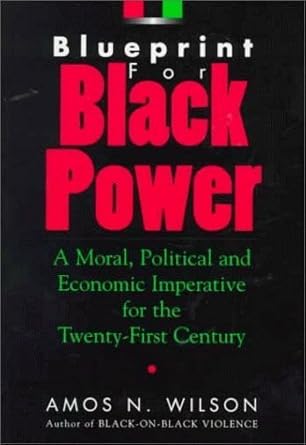
The recent settlement involving TD Bank, where the institution paid over $3 billion to avoid prison time for laundering hundreds of millions tied to drug trafficking, exposes the glaring double standard in America’s justice system. While individuals in Black and Brown communities are incarcerated for far smaller drug-related crimes, TD Bank executives walk away with fines and no jail time. This disparity highlights how corporations are shielded from the consequences that ordinary people face and points to the need for education and financial literacy in our communities, as Dr. Amos Wilson emphasized, to avoid the systemic exploitation that traps so many.

Economic Empowerment for the Black Community: Lessons from H Mart and Uwajimaya

The Black community can gain economic empowerment by building grocery chains similar to H Mart and Uwajimaya, which have successfully combined business with cultural preservation. Drawing on Dr. Amos Wilson’s ideas from Blueprint for Black Power, we must take control of industries that serve our communities and keep wealth circulating within them. This could lead to greater economic independence, job creation, and a renewed sense of community for Black Americans.