Should Teachers Allow Students To Use ChatGPT? Yes, With Purpose, Guardrails, And Age-Appropriate Scaffolds
Teachers should allow ChatGPT with purpose and guardrails. Use it for brainstorming, reading support, feedback, and study help, not to produce final drafts. Start with teacher-led demos in K to 2, guided small-group use in grades 3 to 5, limited independent use with checks in grades 6 to 8, and accountable independent use in grades 9 to 12 and college. Keep equity, privacy, and visible thinking at the center.

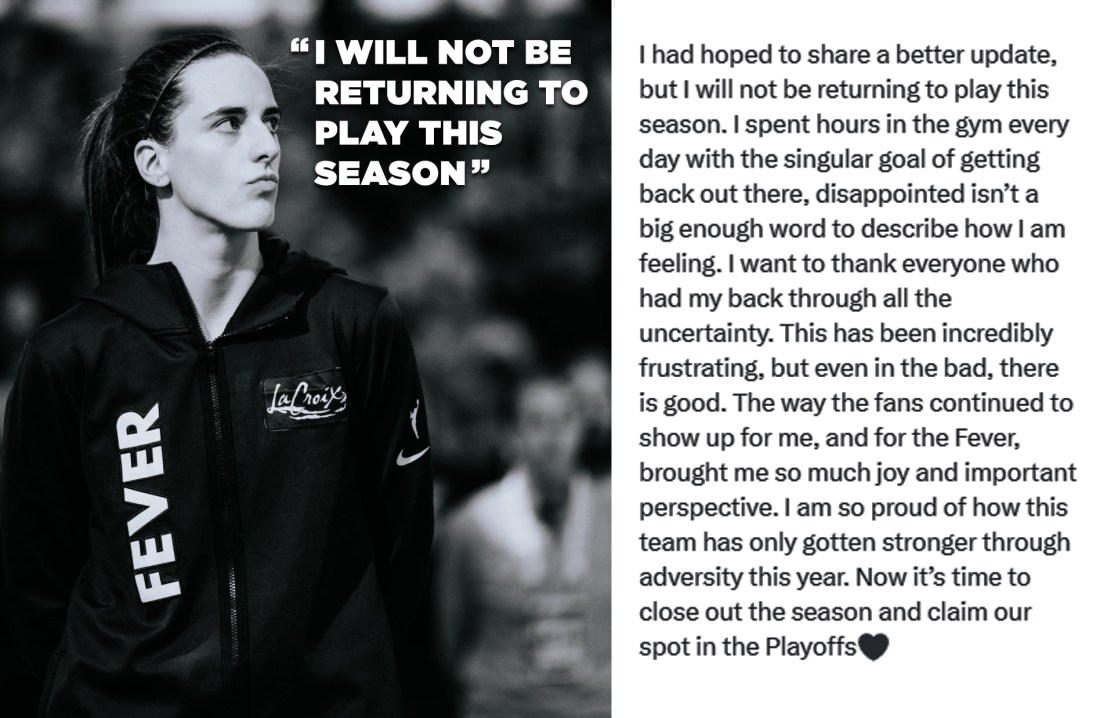
Caitlin Clark Is Done For The Year – Here Is What The Numbers Say

Caitlin Clark’s injury is more than bad luck. It is a business hit during CBA season. National TV audiences drop by about 55 percent when she sits. Fever games average 1.26 million viewers while non-Fever games average 549,000. Ticket prices and attendance swing with her availability. She is not the best player every night, she is the most important player for the league’s growth.

Meeting the Moment: How Thoughts Cost Can Help Washington Districts Solve Special Education and Inclusion Gaps

Washington school districts are navigating deep special education funding gaps, staffing shortages, and the complex transition to more inclusive practices. From Seattle to Spokane, districts are reimagining services and calling for state support, yet they also need practical tools that ease workloads and strengthen family partnerships. Thought Cost offers co-planning supports, progress monitoring, and bilingual-ready communication systems to help districts deliver on equity and inclusion, student by student.

When the Dream Costs More Than Money: VEqual, ReadEase, and the AI IEP Assistant

Over the past three years, I have invested one hundred seventy-five thousand dollars of my own money into building educational technology solutions designed to close gaps that harm students with disabilities. From VEqual, an immersive virtual school that began as a science lab, to ReadEase, an AI-powered reading tutor, to the AI IEP Assistant that helps teachers focus on delivering services rather than just writing plans, these tools were built to create real change. This is not a story of failure. This is a call for partners who believe in equity, inclusion, and innovation in special education.

Fund Us Forward WA: Ending Reimbursement-Only Funding Models in Washington State

Reimbursement grants do not provide new resources. They require community-based organizations to absorb financial risk in order to fulfill state obligations. This model limits participation, delays service delivery, and prevents asset development. Public funding should not come with private burden. Equity requires more than access; it requires accessible terms.

The Market Is Bleeding, and I’m Still Thinking About Investing

Since Trump has been in office, I log into my brokerage account with a sense of tension. What used to feel like a step toward financial growth now feels more like bracing for impact. Each time I check, there is another drop, another policy shift, another ripple across the market that reminds me how deeply politics and money are tied together.

Unapologetic: The Power and Responsibility of Black Cinema

Black filmmakers have never simply told stories. They have reclaimed history, challenged false narratives, and built culture that shapes generations. From Malcolm X to Boyz n the Hood, these films did more than entertain. They educated, empowered, and demanded recognition. Their creators did not wait for permission. They built their own lanes, ensuring that Black stories would not just be told but told correctly.