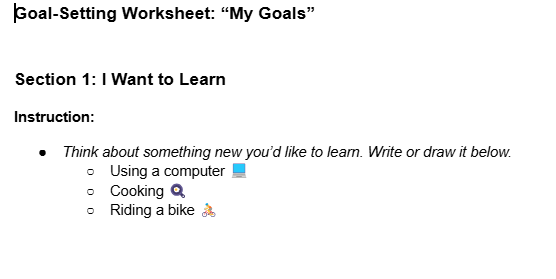
I have always been intentional about Universal Design for Learning (UDL), offering students multiple ways to engage with material. When I added emojis to a goal-setting worksheet, I thought they were just a fun visual. Five students interacted with them in different ways, revealing an unexpected way to make learning more accessible. That moment reshaped how I approach lesson design, proving that small changes can make a big impact.
Category: What’s Happening
The Uniqueness of Black Capitalism: A Letter from the Margins
Black capitalism is unique because it has had no choice but to be. It has been defined by its need to function in opposition, to build wealth that does not exploit but sustains, to find ways to exist in a system that has sought to erase it. This is not an argument for blind faith in capitalism. It is not a dismissal of the way capitalism has harmed Black people. It is a recognition that Black economic strategies have always been different. They have never been about conquest. They have been about survival. If the word capitalism carries too much weight, if it conjures images of greed and destruction, then call it something else. Call it what it has always been: resistance. Call it what it has always meant: survival. Call it what it has always sought to build: a future that cannot be stolen.
York, the Buffalo Soldiers, and the Price of Serving an Empire
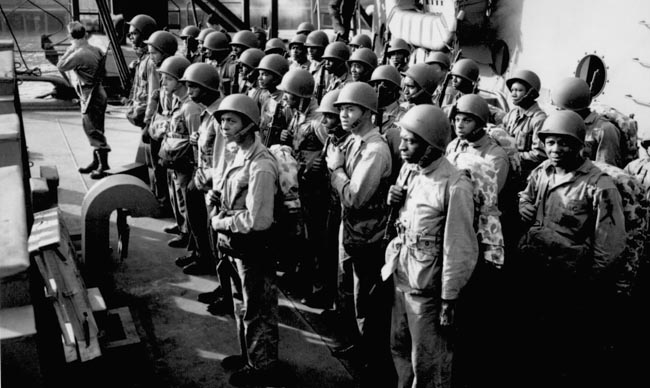
York’s contributions were essential to the success of the Lewis and Clark Expedition. Without him, they might not have survived. He hunted for food when supplies ran low, traded with Indigenous tribes to secure safe passage, and endured the same grueling conditions as his white counterparts. Decades later, Buffalo Soldiers faced a similar contradiction, serving a nation that had freed them from slavery but used them to oppress others.
Preparing for the Impact on Special Education Funding in Washington State and Nationwide
The potential defunding of the U.S. Department of Education threatens special education nationwide. Cuts to IDEA and Title I funding could reduce resources, undermining Universal Design for Learning (UDL) and Culturally Responsive Teaching. States like Washington may rely on agencies like DSHS to fill gaps, but advocacy and alternative funding are crucial to protecting equitable education access.
Government Efficiency or Corporate Domination?
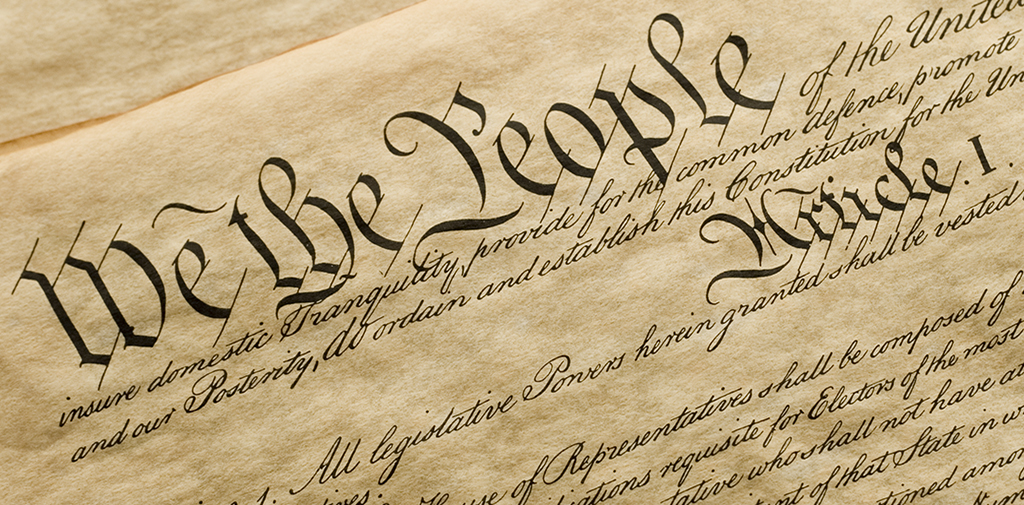
Elon Musk is not simply auditing government spending. He is profiting from it. With millions flowing daily into his corporate empire through government contracts, he is consolidating unprecedented power over federal oversight. The issue is not whether spending should be audited, but why an unelected billionaire is the one making those decisions. His influence challenges the foundations of a constitutional republic, raising urgent concerns about transparency, conflicts of interest, and the future of democracy itself.
Jason Whitlock’s Argument is Built on Historical Amnesia
Jason Whitlock dismisses the significance of Black quarterbacks winning Super Bowls, claiming the struggle is over because they align with the Black population percentage. This ignores decades of exclusion, position-switching, and denied opportunities. Warren Moon had to prove himself in Canada before the NFL gave him a chance. Doug Williams broke barriers by winning a Super Bowl. Eldridge Dickey, the first Black quarterback drafted in the first round, was never allowed to play his natural position. History matters until Black quarterbacks are no longer asked to change positions or have their intelligence questioned differently. The league must acknowledge the past rather than erase it. Jaylen Hurts winning a Super Bowl is progress. If celebrating Black excellence makes Whitlock uncomfortable, that is his burden to bear.
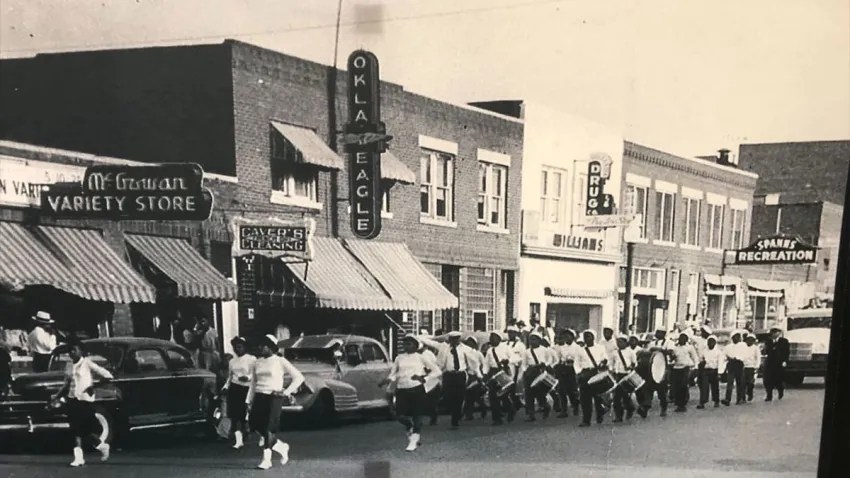
Beyond Tulsa: The Black Wall Streets America Tried to Erase
Erased from history, The systematic destruction of Black wealth, White terrorism and economic sabotage, Black economic power under attack, Thriving Black towns across America, The untold history of Black Wall Streets, Black prosperity stolen, Government-sanctioned racism, Urban renewal as a weapon, Highways through Black communities, Economic warfare against Black businesses, Massacres and land theft, The legacy of Black economic independence, White America’s war on Black success, The racial wealth gap is by design, Black Wall Streets beyond Tulsa, The hidden history of Black affluence, Black excellence erased, The fight for reparations, White mobs burned Black towns, Black financial independence targeted, What America refuses to teach, Why Black prosperity was dismantled, Black towns were more than Tulsa, The lasting impact of economic racism, Economic violence against Black America, How white America destroyed Black wealth.
The Unseen Weight: Black Women, DEI, and the Quiet Call for Recognition
Black women, DEI backlash, Diversity Equity and Inclusion, Black excellence, Black women in education, Black women in leadership, systemic racism, affirmative action, white women and DEI, labor history, Black success, racial discrimination, Kamala Harris, merit vs. DEI, Black women in the workforce, educational attainment, media bias, Black resilience, historical labor trends, corporate diversity, Black professionals
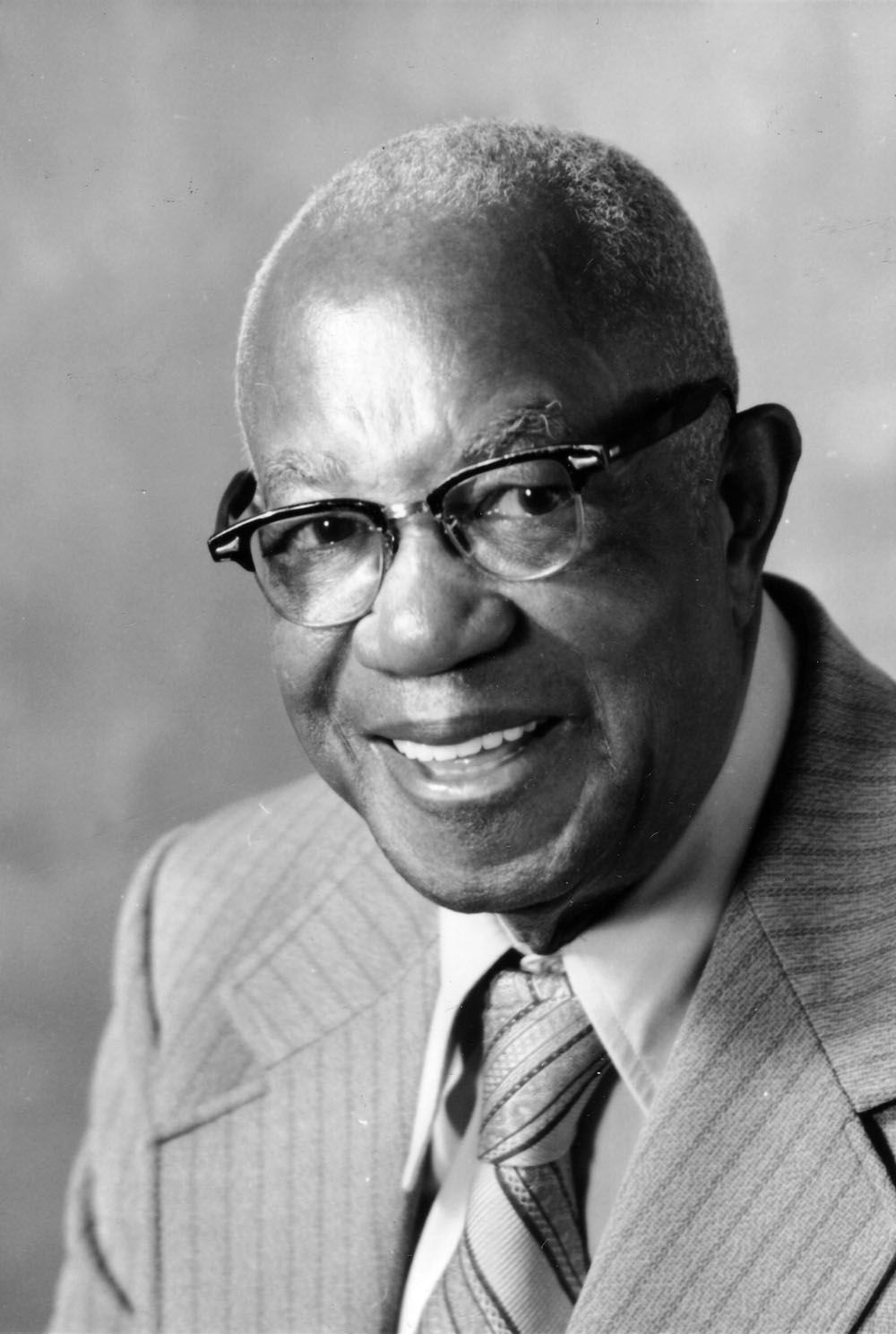
A.G. Gaston: The Power of Black Wealth and the Divide in Black Liberation
A.G. Gaston believed that Black economic power was the path to true liberation. He saw wealth as the key to breaking the cycle of oppression. He built institutions that served Black people in an era where few others did. His success proved that Black communities could create their own wealth, their own businesses, and their own economies. His life laid out a blueprint for financial independence, proving that ownership was not just about money but about power, survival, and dignity.
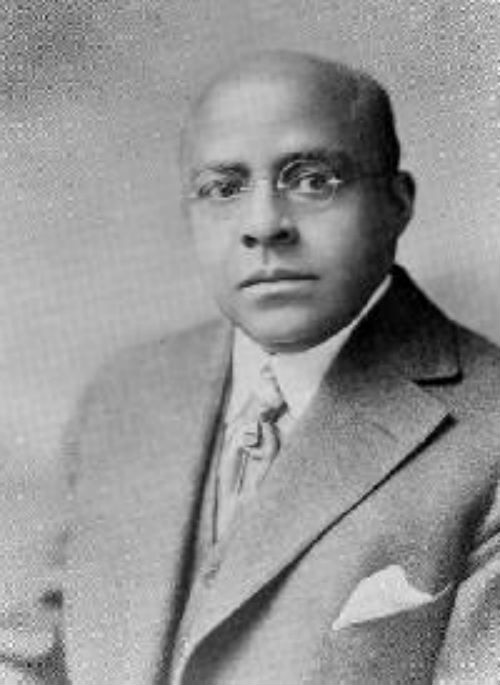
Philip Payton Jr.: The Architect of Harlem and Booker T. Washington’s Economic Vision
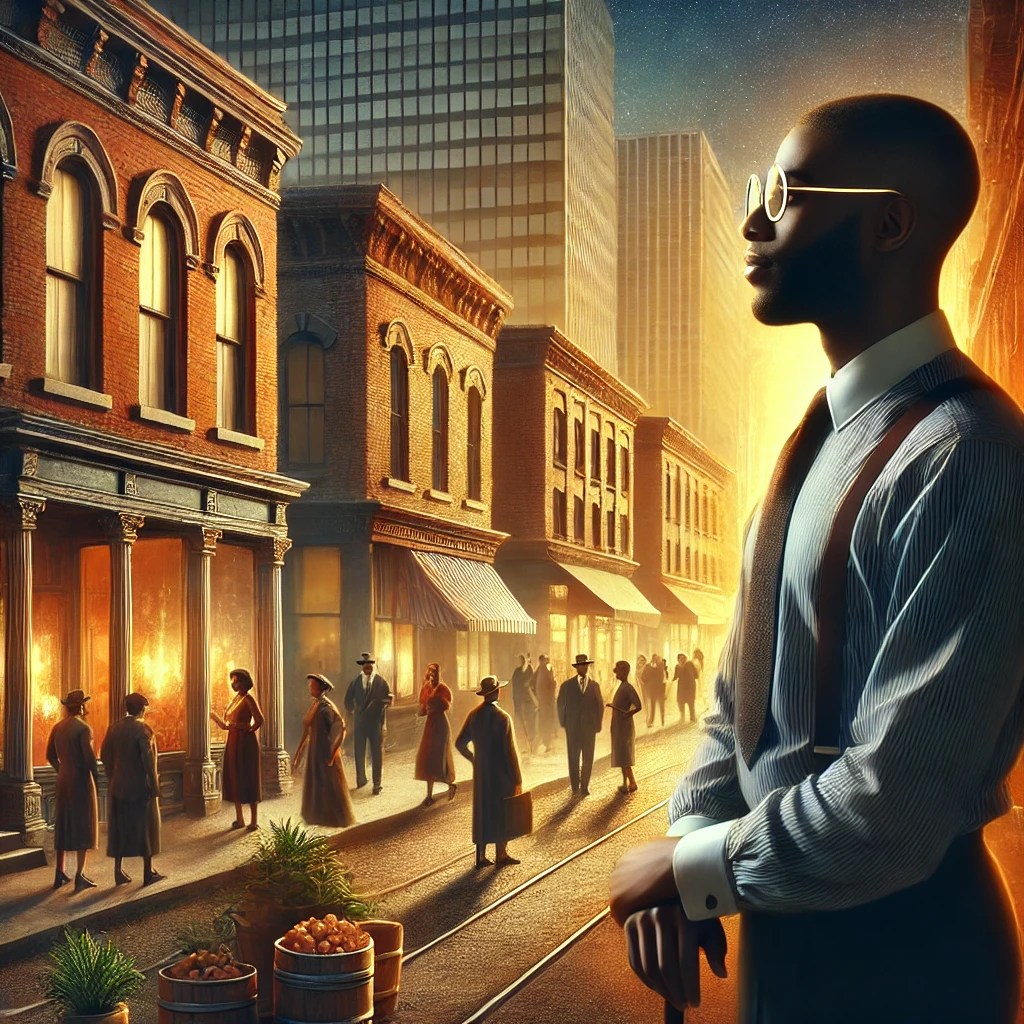
Philip Payton Jr. was not a musician, not a poet, not a painter of portraits or a sculptor of figures. He was an architect of space, a dealer in possibilities, a capitalist whose currency was land and whose strategy was disruption. In the Black American saga, we are often told of the Harlem Renaissance, Langston Hughes, Zora Neale Hurston, Duke Ellington, yet the prologue remains unspoken. How did Harlem become the mecca, the pulsing nerve center of Black culture? The answer, like so many buried in the margins of history, traces back to a man who dared to make racism too expensive to sustain. Payton is one of my favorite people to teach about because his work exemplifies the power of economic strategy in the fight for Black liberation.