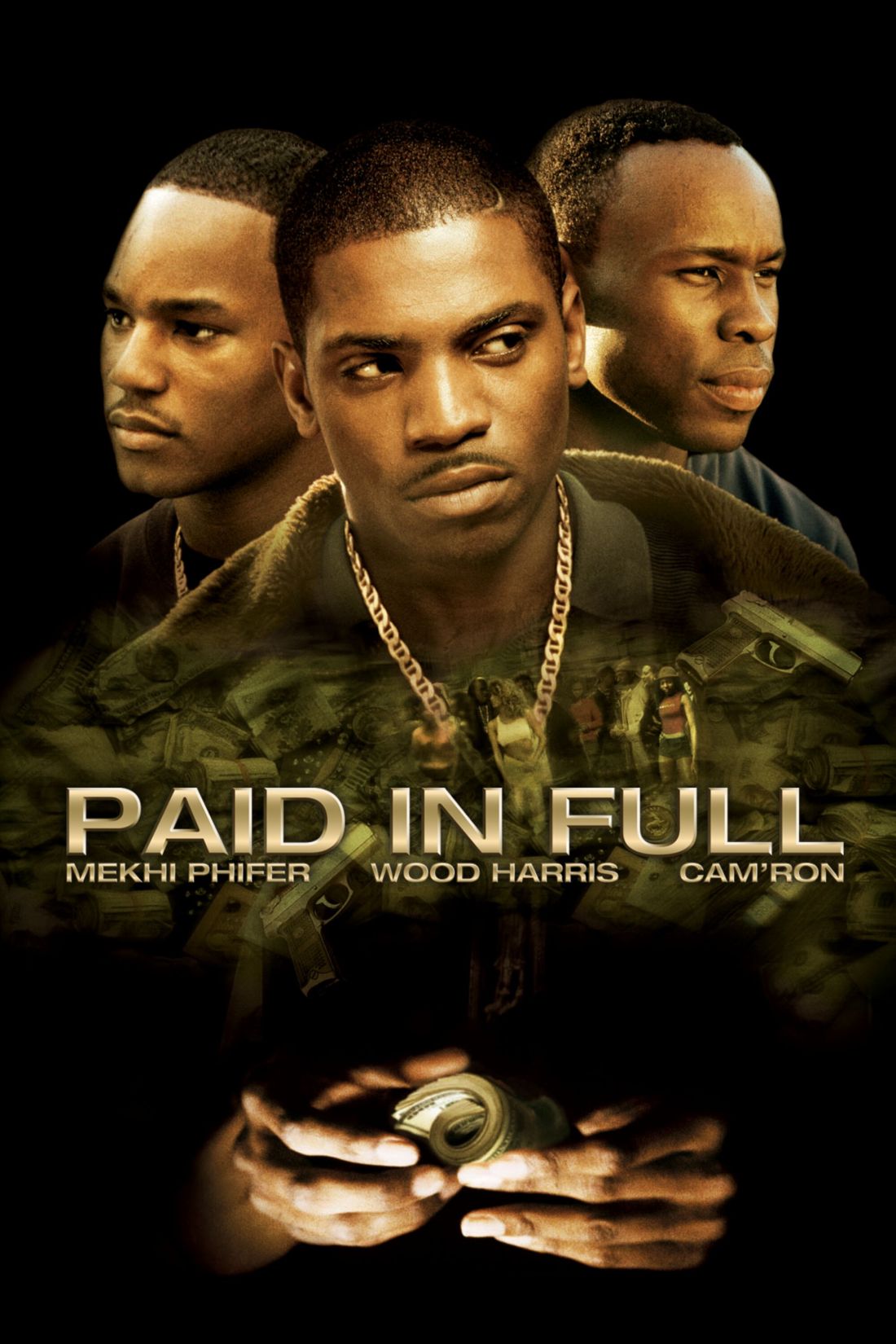
New Jack City, Menace II Society, Paid in Full, and The Wire were more than just entertainment; they were mirrors reflecting the harsh realities of urban life. These narratives showcased the allure of fast money and power but also laid bare the devastating consequences that accompanied such pursuits. Characters like Nino Brown, O-Dog, and Avon Barksdale were crafted not as heroes to be emulated but as cautionary figures, embodying the perils of the drug trade and street life. Over time, a shift occurred in the cultural perception of these characters. Instead of heeding the warnings embedded in their stories, many began to idolize these figures, focusing on their charisma and apparent success while overlooking their downfalls. The glorification of these narratives often celebrates the superficial aspects of these characters, neglecting the profound lessons their stories were meant to impart.
Category: What’s Happening
Cultivating Excellence: Rethinking Culture and Opportunity in Black America
Black American culture, forged in the fires of resilience, has given the world immeasurable gifts: jazz, hip-hop, the civil rights movement, and countless innovations in art, literature, and science. Yet within this brilliance lies a dichotomy. The glorification of success often becomes tied to entertainment and athletics, eclipsing the quieter triumphs of engineers, scientists, and mathematicians.
Four Years of Thoughts Cost: A Journey from One Student to Statewide Impact
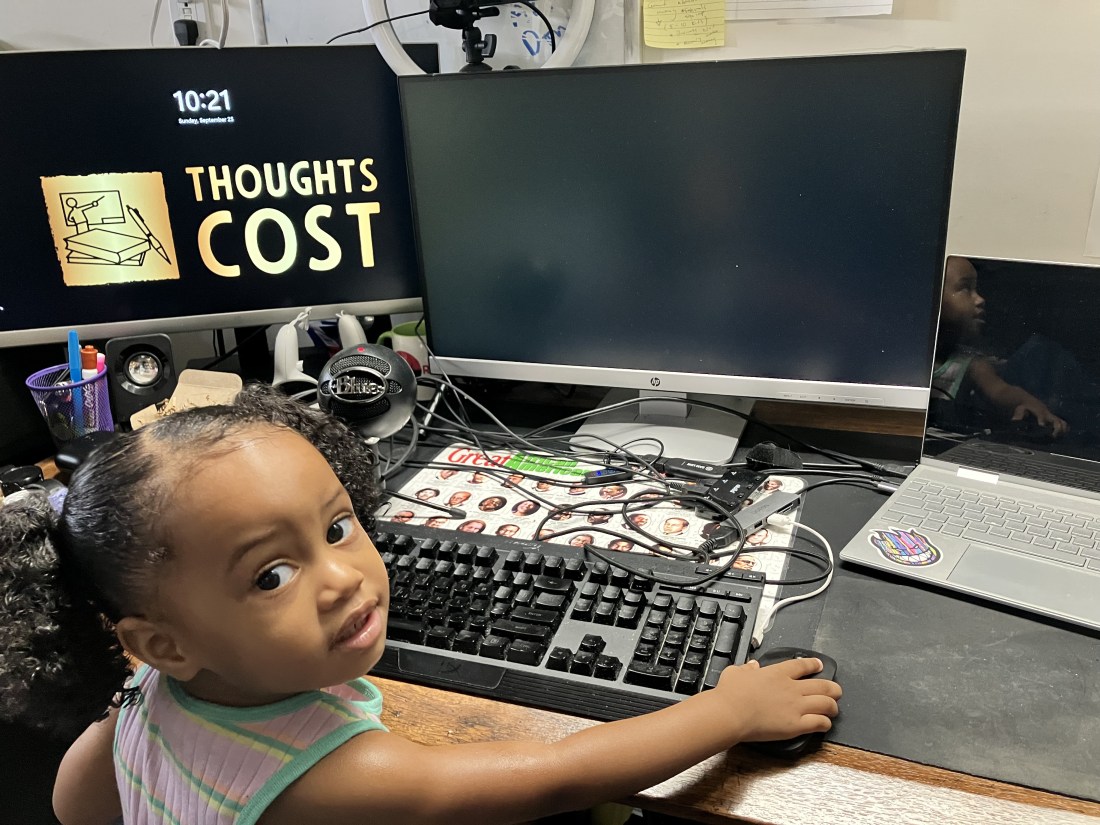
Tomorrow marks four years since Thoughts Cost began with one student and a mission to create meaningful change during the uncertainty of the pandemic. From humble beginnings with no plan or income, we have grown into a movement that builds programs, develops EdTech tools, and secures state-level contracts to empower students, families, and educators. This journey has been defined by resilience, creativity, and a commitment to equity and inclusion.
The Double Standard of Justice: TD Bank’s Crimes and the Unfairness of America’s Legal System
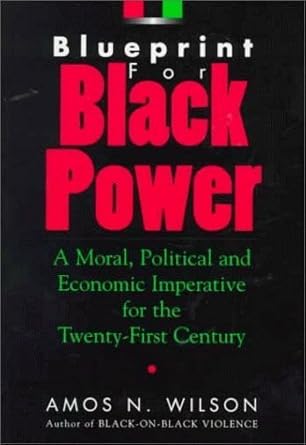
The recent settlement involving TD Bank, where the institution paid over $3 billion to avoid prison time for laundering hundreds of millions tied to drug trafficking, exposes the glaring double standard in America’s justice system. While individuals in Black and Brown communities are incarcerated for far smaller drug-related crimes, TD Bank executives walk away with fines and no jail time. This disparity highlights how corporations are shielded from the consequences that ordinary people face and points to the need for education and financial literacy in our communities, as Dr. Amos Wilson emphasized, to avoid the systemic exploitation that traps so many.
Economic Empowerment for the Black Community: Lessons from H Mart and Uwajimaya
The Black community can gain economic empowerment by building grocery chains similar to H Mart and Uwajimaya, which have successfully combined business with cultural preservation. Drawing on Dr. Amos Wilson’s ideas from Blueprint for Black Power, we must take control of industries that serve our communities and keep wealth circulating within them. This could lead to greater economic independence, job creation, and a renewed sense of community for Black Americans.
The Wayans Family: A Legacy of Satire and Reclaiming Black Identity
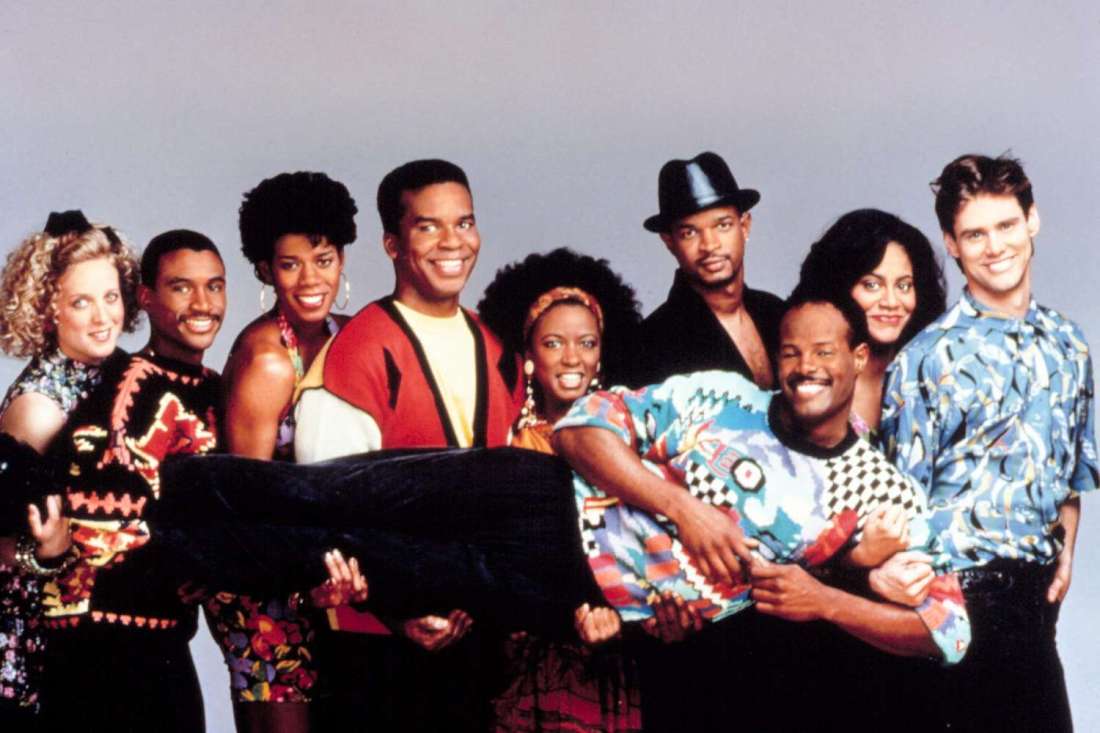
he Wayans family’s use of satire was not just about laughs, it was about reclaiming Black identity from limiting stereotypes. Keenan and Damon challenged the idea of being the "safe" Black man, while Marlon and Shawn refused to fit into any mold at all. Together, they showed that true representation is not about conforming to someone else’s expectations but about being fully authentic.
Discrediting The Greatness Of Wilt and Russell? Let’s Expose the Absurdity of Such Claims
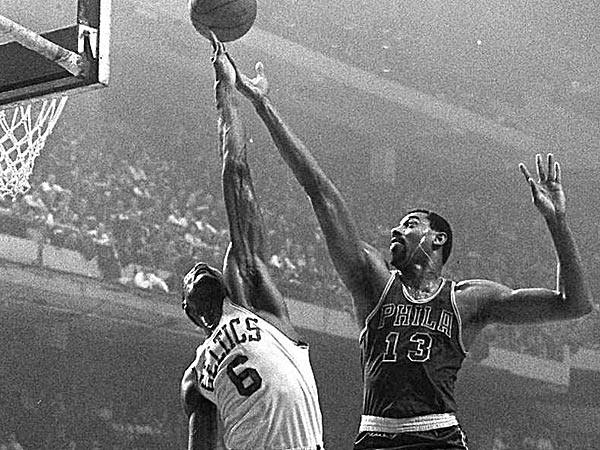
Discrediting Wilt Chamberlain and Bill Russell because the league was only 20% Black is ignorant. These men were pioneers, enduring racism, death threats, and media attacks while dominating the NBA. Clyde Frazier has spoken about the racism Black players endured well into the 1980s. Today’s NBA, where players stay at luxury resorts, exists because Wilt, Russell, and others fought for dignity and equality. The NBA is 80% Black because of their efforts, on and off the court. Respect your elders. The game would not be what it is today without them.
If You Think It Looks Better, Just Say That
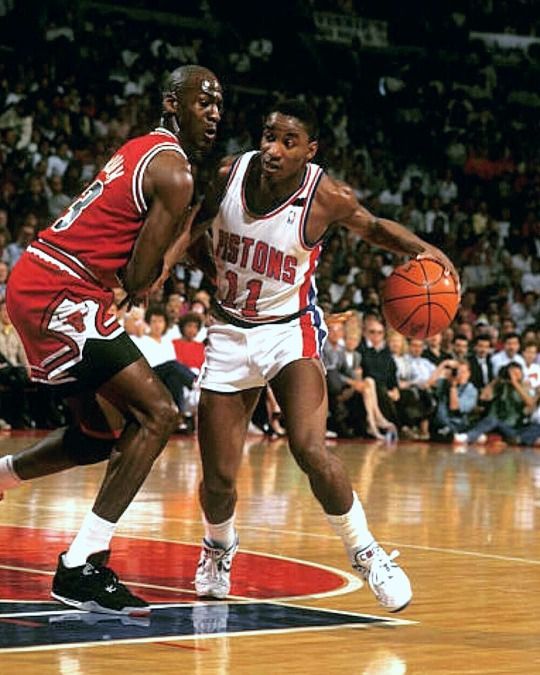
I don’t prefer one style of basketball over the other. I love the game. But the argument that today’s NBA is better just because it looks flashier? I can’t stand that. Just because something looks better doesn’t mean it is better. It’s still hoop, no matter the era.
The State of Special Education in Washington: A 2024 Overview
Culturally responsive practices are often integrated only at a surface level in special education. Brief professional development sessions leave educators with an incomplete understanding, which is insufficient to address the complex needs of students from marginalized communities. Without deeper systemic changes, these efforts risk being more performative than impactful.
Blending Eras: The Orlando Magic and Los Angeles Lakers
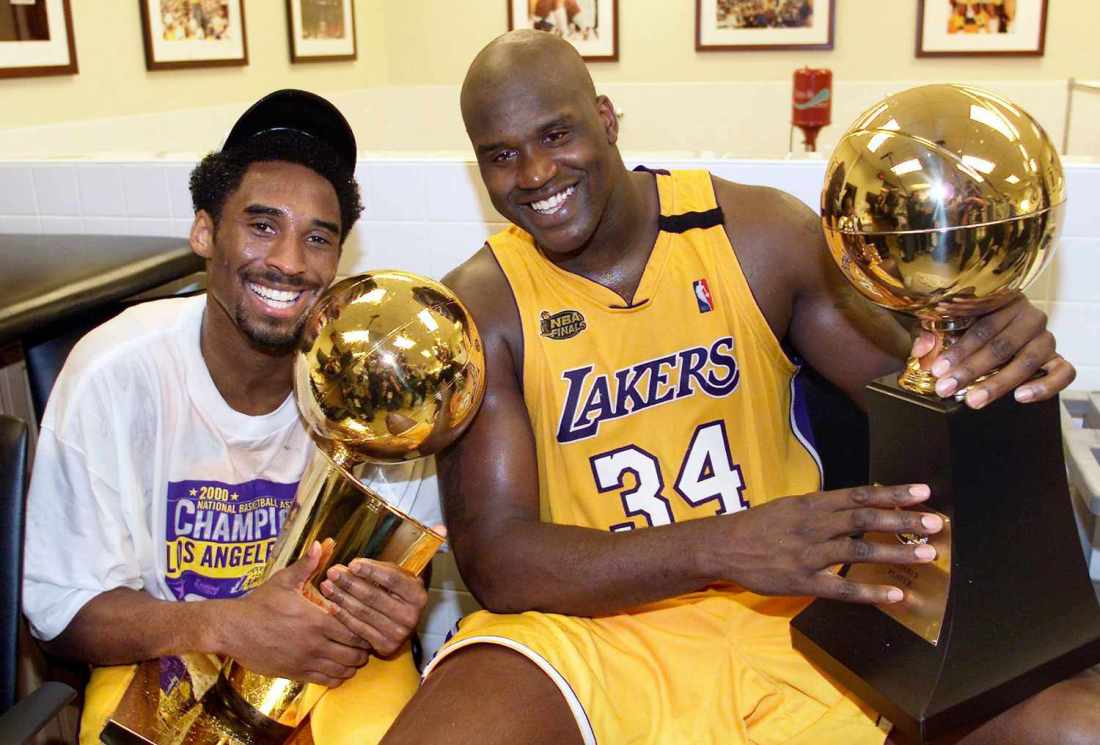
The mid-90s Orlando Magic and early 2000s Los Angeles Lakers perfectly blended eras in basketball. Shaquille O'Neal's dominant post play represented the physicality of the 90s, while Anfernee Hardaway and Kobe Bryant showcased the future of versatile, perimeter-based guard play. The Magic, with this mix of power and finesse, reached the NBA Finals but couldn't fully realize their potential due to Shaq's departure. In Los Angeles, Shaq and Kobe perfected the formula, leading the Lakers to three consecutive championships and becoming one of the most unstoppable teams in NBA history.