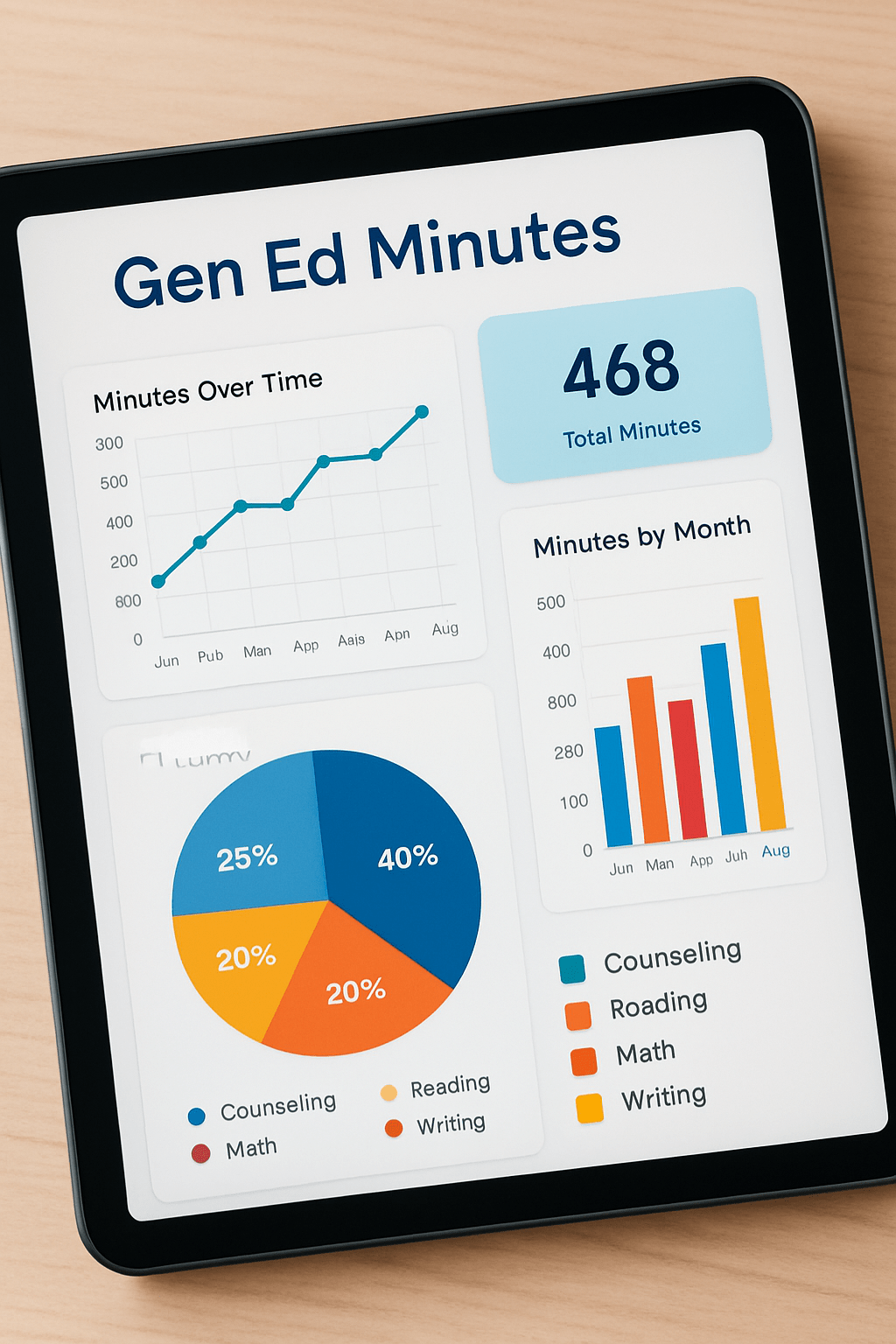
In every school building, there is a quiet arithmetic that tells the truth long before any mission statement does. It is not the language on the walls, not the slogans about excellence or equity. It is the simple count of where a child spends their minutes. Those minutes do not lie. They testify. For students with IEPs, general education minutes are not a small technical detail in a long document. They are a declaration of belief. They reveal whether a system sees a child as a full member of the learning community or as a visitor, escorted in and out of spaces where other children are presumed to belong by default. If we claim to believe in equity, then we must count the minutes where that equity is either practiced or denied. The minutes tell the story. Tracking them is how we decide to stop lying to ourselves about who our schools are truly built for.
The Weight of Lenny Wilkens
There are lives that refuse spectacle and still command a room. Mr. Wilkens carried a peculiarly American burden with grace, coaching while playing, teaching while enduring, and choosing generosity over noise. The life he built is a text we must read carefully.
Mentors Built Me, Now We Build Pathways
College and career go together. Use IEP transition planning to combine dual credit, Career and Technical Education, apprenticeships, paid work, and industry certifications. Add mentors from Black owned and community owned businesses, and from real workplaces like professional kitchens. Track completion rates, paid hours, and supervisor feedback with work based learning logs, then organize artifacts with a student Portfolio Checklist.
Community Partners Are Multipliers
Partnerships work best when they are local, accountable, and organized. Build a partner database that centers Black-owned and community-owned businesses, secures MOUs and DSAs that comply with FERPA, matches students by IEP supports and interests, tracks paid hours and outcomes, and publishes a quarterly dashboard. System beats heroics.
Gil’s Arena Became The Arena: My Mixed Feelings, The Business Logic, The Blueprint For Keeping Your Name
Gil’s Arena becoming The Arena is the trade every creator faces. Scale asks for control. Distribution asks for a piece. The only way to grow without losing yourself is to design independence on paper. Keep the marks in your house. Keep the episode library. Set vetoes on casting, cuts, and sponsors. Finance growth with recoupable guarantees and time‑boxed terms so expansion does not erase identity. That is how you partner for muscle and still keep your name.
Differentiation Without Watering Down
Differentiation should lift students to grade level learning, not lower the bar. Keep grade level texts on the table, add accommodations and scaffolds to open access, and monitor progress so supports fade as independence grows.
Make IEP Meetings Strategic
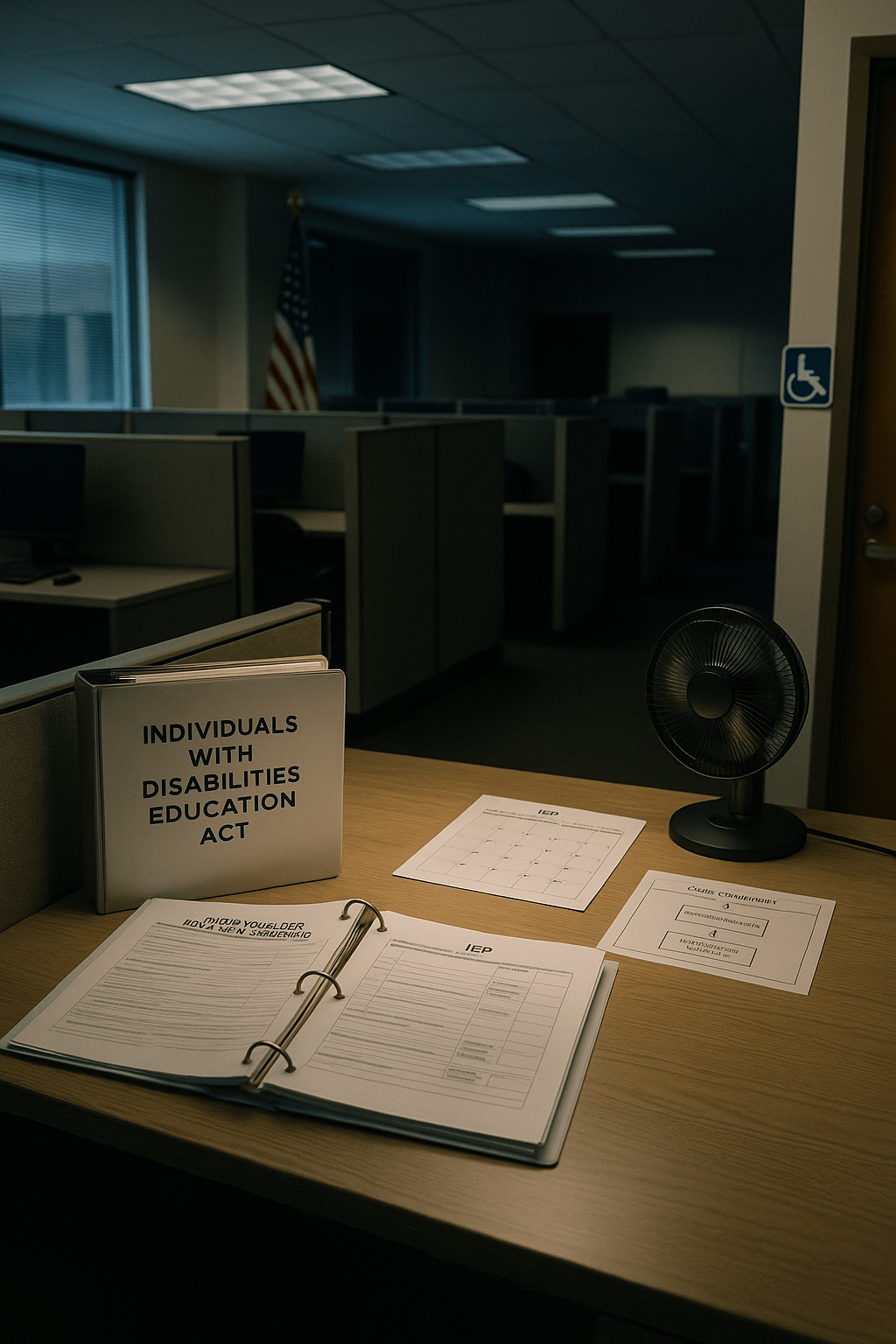
An Individualized Education Program meeting should run like a strategy session. Share the agenda early, review data together, write plain language goals, and leave with a 30 day plan that names actions, owners, and dates. Families walk out knowing exactly what happens next.
Family Partnership Is a Cadence
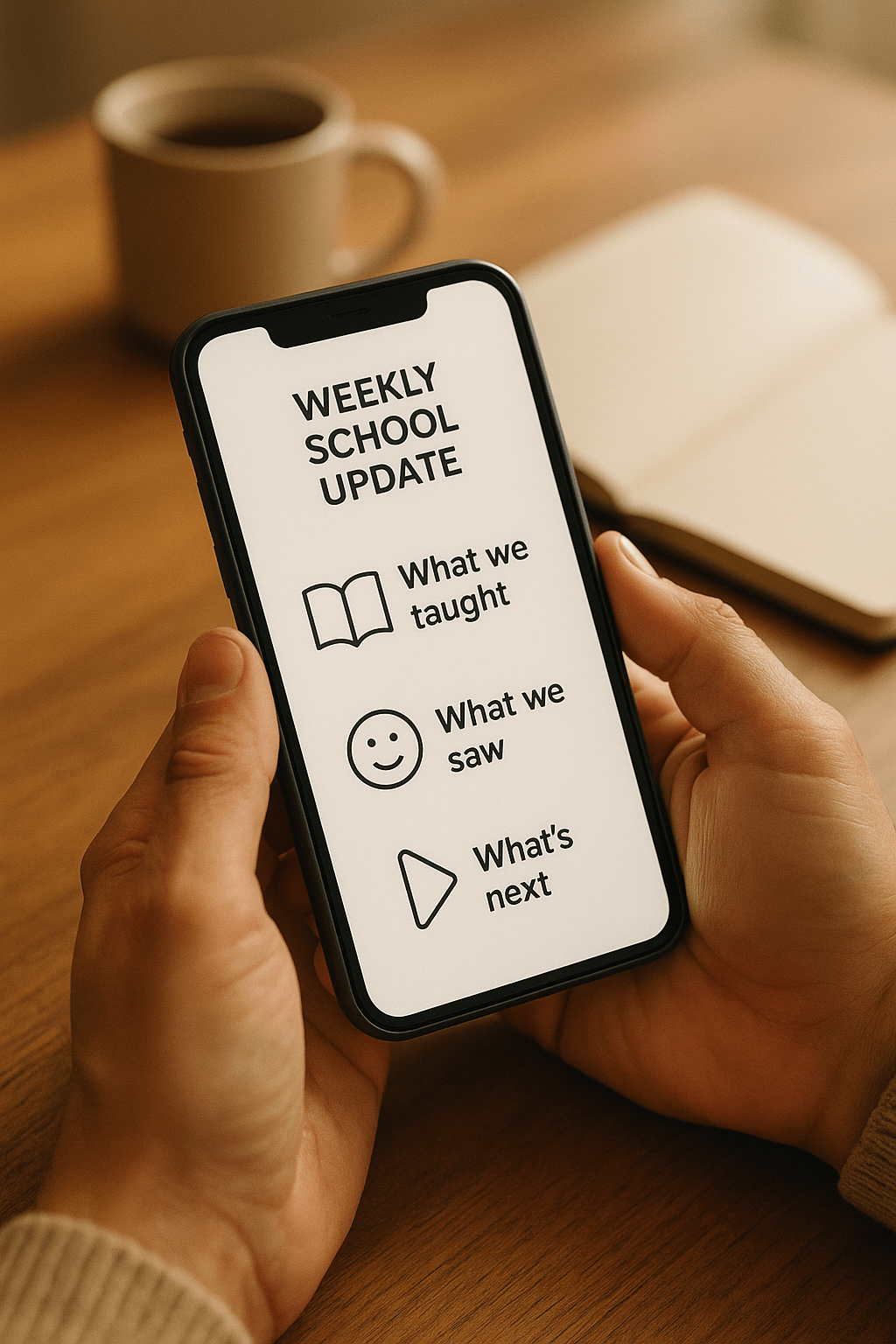
Family partnership is a steady rhythm, not a single meeting. Share a weekly, plain language update that explains what was taught, what you observed, and what comes next. Add one clear way families can help, then repeat it every week.
Transition Means Jobs, Not Just Paperwork
Transition services should produce paychecks and references. Track paid hours, job shadows, interviews, and supervisor feedback. Build a résumé before graduation and connect students with vocational rehabilitation so work continues after high school.
When the Safety Net Frays: What Federal Layoffs Mean for Special Education
The U.S. Department of Education has begun laying off 466 employees during the federal shutdown, which is about one fifth of the agency’s remaining staff. Several offices that protect civil rights and support students with disabilities are among the hardest hit. Reports indicate that the Office of Special Education Programs is dropping from about 200 … Continue reading When the Safety Net Frays: What Federal Layoffs Mean for Special Education