
The Slam Dunk Contest was never just about the types of dunks being performed. It was about who was dunking. The excitement, the energy, and the cultural significance of the contest have always been tied to the players participating. Legends like Julius Erving, Michael Jordan, Vince Carter, and Kobe Bryant helped shape the contest into a spectacle. However, in recent years, superstar participation has declined. The NBA has struggled to uphold its traditions, and the dunk contest has lost its prestige. Restoring its status requires bringing back the league’s biggest names to honor the legacy of the event.
Government Efficiency or Corporate Domination?
Elon Musk is not simply auditing government spending. He is profiting from it. With millions flowing daily into his corporate empire through government contracts, he is consolidating unprecedented power over federal oversight. The issue is not whether spending should be audited, but why an unelected billionaire is the one making those decisions. His influence challenges the foundations of a constitutional republic, raising urgent concerns about transparency, conflicts of interest, and the future of democracy itself.
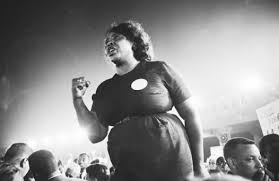
Fannie Lou Hamer: The Woman Who Refused to Back Down
Fannie Lou Hamer was dragged into a Mississippi jail and beaten until her body could barely function. White officers forced two Black prisoners to assault her while they stood by, ensuring the punishment was carried out. The blows left her with permanent kidney damage, a blood clot in her eye, and lifelong injuries that never healed. She was left bruised, broken, and in pain, yet she never stopped fighting. She stood before the nation and told the truth about what was done to her, refusing to let fear or violence silence her.
Jason Whitlock’s Argument is Built on Historical Amnesia
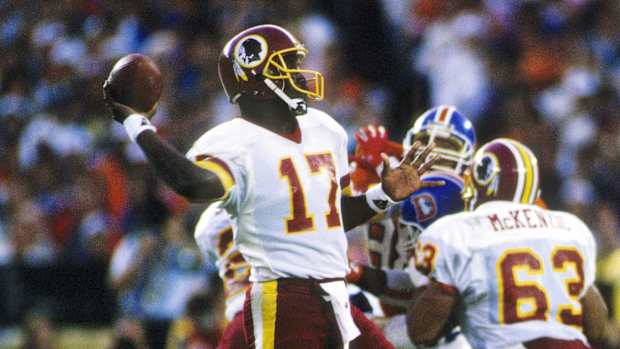
Jason Whitlock dismisses the significance of Black quarterbacks winning Super Bowls, claiming the struggle is over because they align with the Black population percentage. This ignores decades of exclusion, position-switching, and denied opportunities. Warren Moon had to prove himself in Canada before the NFL gave him a chance. Doug Williams broke barriers by winning a Super Bowl. Eldridge Dickey, the first Black quarterback drafted in the first round, was never allowed to play his natural position. History matters until Black quarterbacks are no longer asked to change positions or have their intelligence questioned differently. The league must acknowledge the past rather than erase it. Jaylen Hurts winning a Super Bowl is progress. If celebrating Black excellence makes Whitlock uncomfortable, that is his burden to bear.
Beyond Tulsa: The Black Wall Streets America Tried to Erase
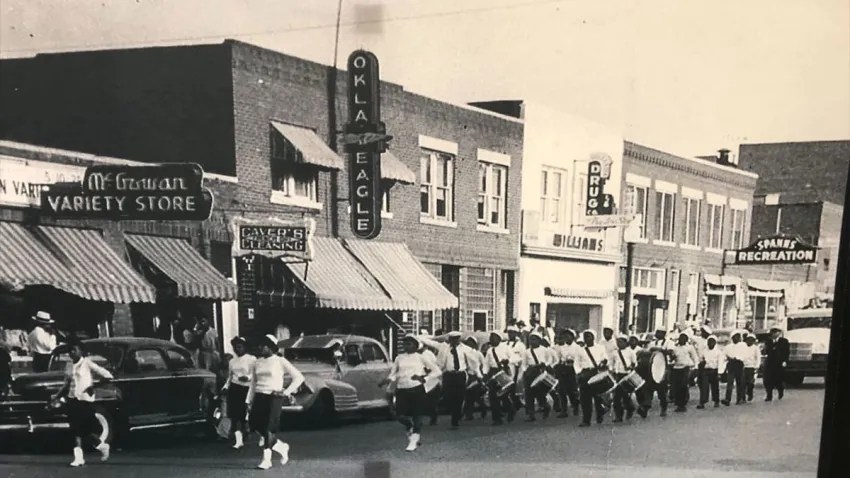
Erased from history, The systematic destruction of Black wealth, White terrorism and economic sabotage, Black economic power under attack, Thriving Black towns across America, The untold history of Black Wall Streets, Black prosperity stolen, Government-sanctioned racism, Urban renewal as a weapon, Highways through Black communities, Economic warfare against Black businesses, Massacres and land theft, The legacy of Black economic independence, White America’s war on Black success, The racial wealth gap is by design, Black Wall Streets beyond Tulsa, The hidden history of Black affluence, Black excellence erased, The fight for reparations, White mobs burned Black towns, Black financial independence targeted, What America refuses to teach, Why Black prosperity was dismantled, Black towns were more than Tulsa, The lasting impact of economic racism, Economic violence against Black America, How white America destroyed Black wealth.
The Unseen Weight: Black Women, DEI, and the Quiet Call for Recognition
Black women, DEI backlash, Diversity Equity and Inclusion, Black excellence, Black women in education, Black women in leadership, systemic racism, affirmative action, white women and DEI, labor history, Black success, racial discrimination, Kamala Harris, merit vs. DEI, Black women in the workforce, educational attainment, media bias, Black resilience, historical labor trends, corporate diversity, Black professionals
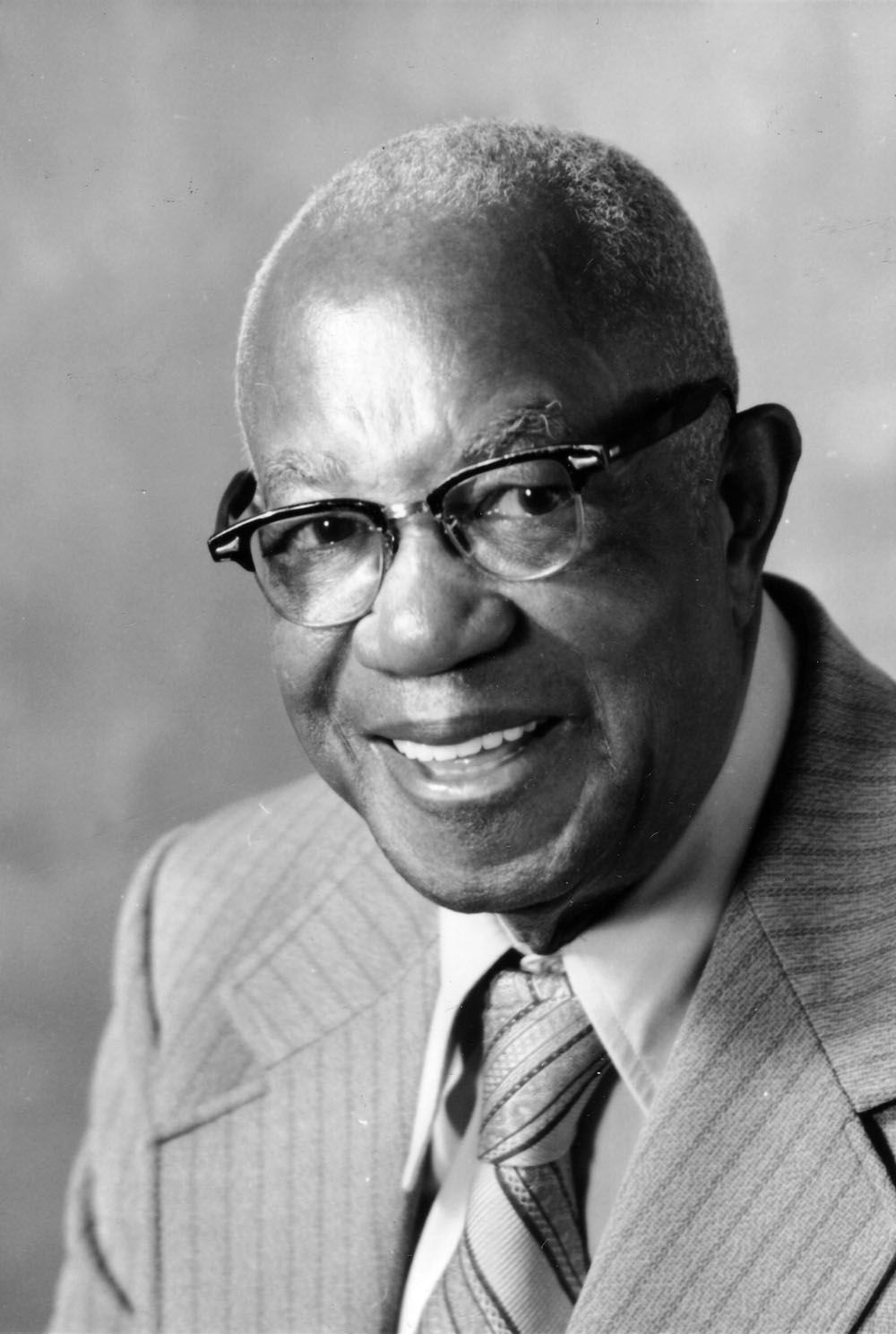
A.G. Gaston: The Power of Black Wealth and the Divide in Black Liberation
A.G. Gaston believed that Black economic power was the path to true liberation. He saw wealth as the key to breaking the cycle of oppression. He built institutions that served Black people in an era where few others did. His success proved that Black communities could create their own wealth, their own businesses, and their own economies. His life laid out a blueprint for financial independence, proving that ownership was not just about money but about power, survival, and dignity.
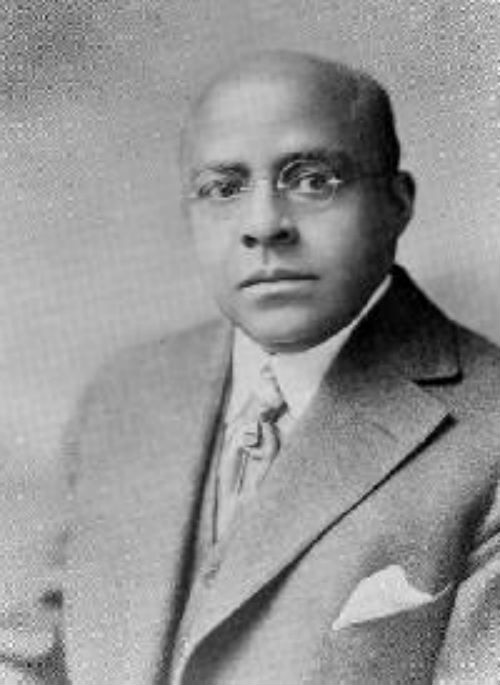
Philip Payton Jr.: The Architect of Harlem and Booker T. Washington’s Economic Vision
Philip Payton Jr. was not a musician, not a poet, not a painter of portraits or a sculptor of figures. He was an architect of space, a dealer in possibilities, a capitalist whose currency was land and whose strategy was disruption. In the Black American saga, we are often told of the Harlem Renaissance, Langston Hughes, Zora Neale Hurston, Duke Ellington, yet the prologue remains unspoken. How did Harlem become the mecca, the pulsing nerve center of Black culture? The answer, like so many buried in the margins of history, traces back to a man who dared to make racism too expensive to sustain. Payton is one of my favorite people to teach about because his work exemplifies the power of economic strategy in the fight for Black liberation.
The Myth of the Square: Why We Need to Rethink What We Respect
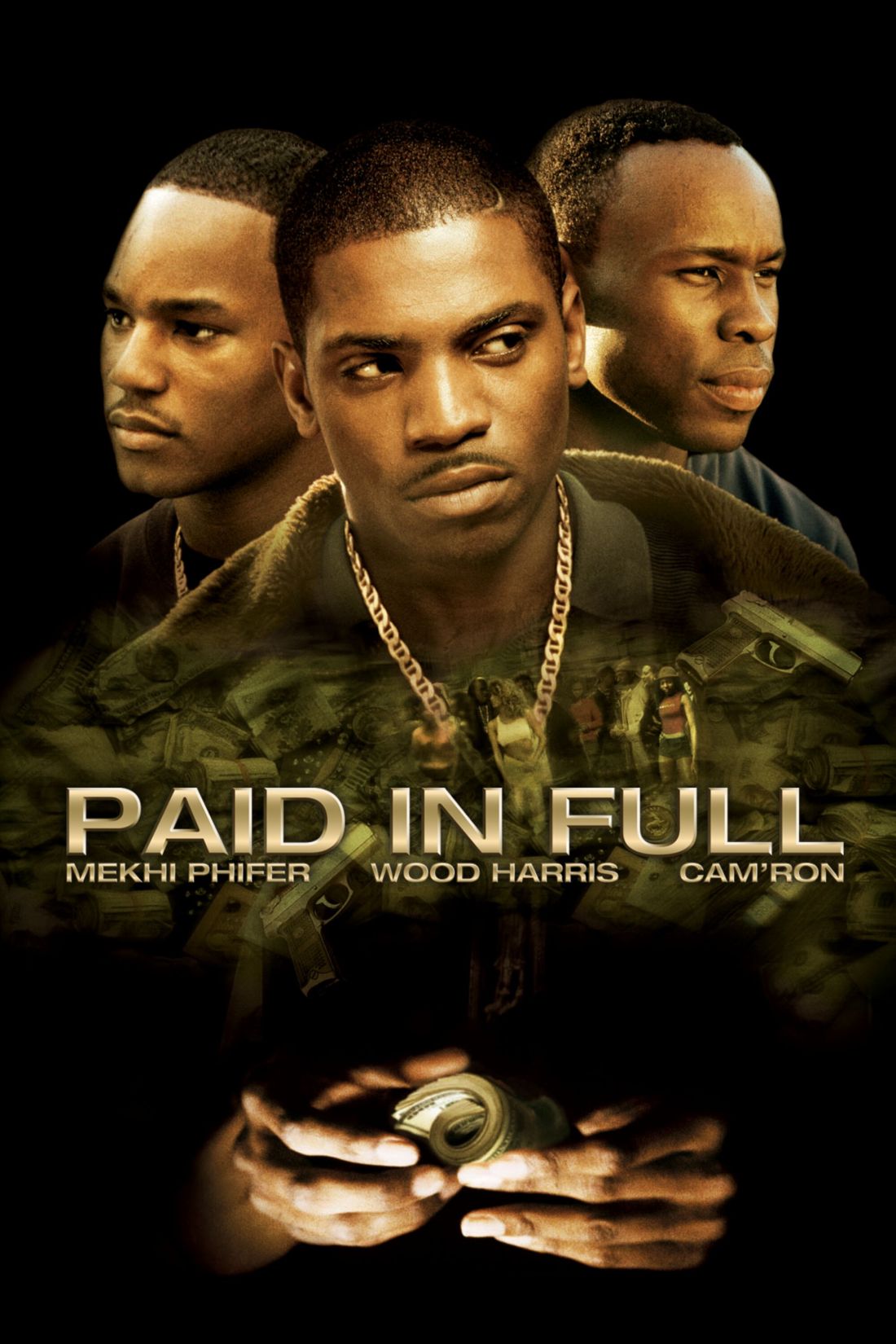
New Jack City, Menace II Society, Paid in Full, and The Wire were more than just entertainment; they were mirrors reflecting the harsh realities of urban life. These narratives showcased the allure of fast money and power but also laid bare the devastating consequences that accompanied such pursuits. Characters like Nino Brown, O-Dog, and Avon Barksdale were crafted not as heroes to be emulated but as cautionary figures, embodying the perils of the drug trade and street life. Over time, a shift occurred in the cultural perception of these characters. Instead of heeding the warnings embedded in their stories, many began to idolize these figures, focusing on their charisma and apparent success while overlooking their downfalls. The glorification of these narratives often celebrates the superficial aspects of these characters, neglecting the profound lessons their stories were meant to impart.
We Are Pricing Ourselves Out of Hoops
Coaches helped because they believed in players, not because they saw them as a check. Gyms were open, and kids had real opportunities to develop without paying for exposure. Now, trainers charge hundreds, teams cost thousands, and even getting in the gym has a fee. This is not about saying people should not get paid. It is about asking, who is really benefiting?