Fixed For Who

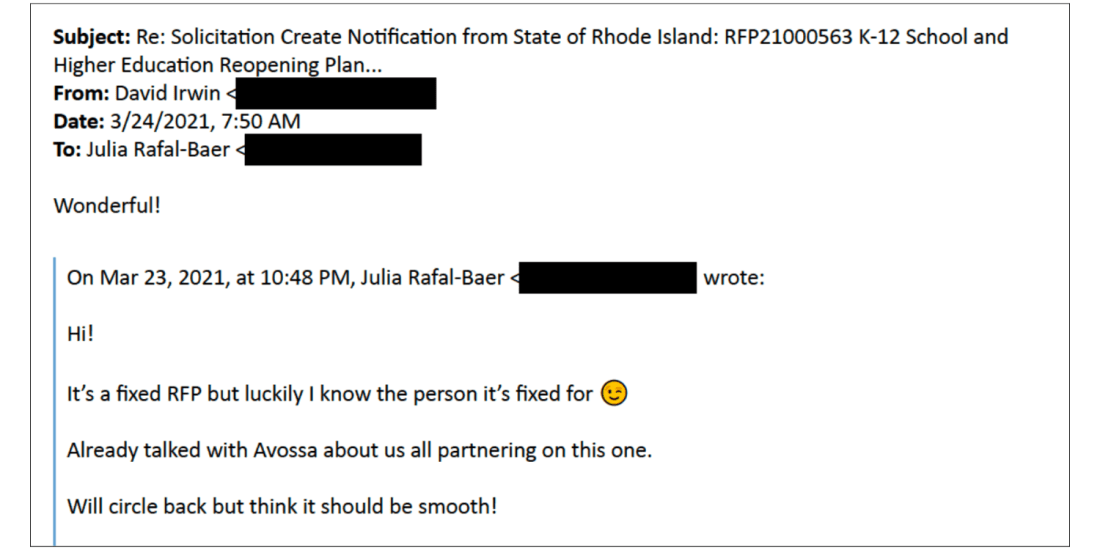
An email exchange revealing concerns about a potentially manipulated Request for Proposal (RFP) process in Rhode Island's education sector. Gatekeeping, "Statewide" Work, and Black Kids in Washington Somebody in Rhode Island hit send on an email that most people in education politics only say out loud behind closed doors. "It's a fixed RFP, but luckily … Continue reading Fixed For Who

Disagreement Should Not Equal Death

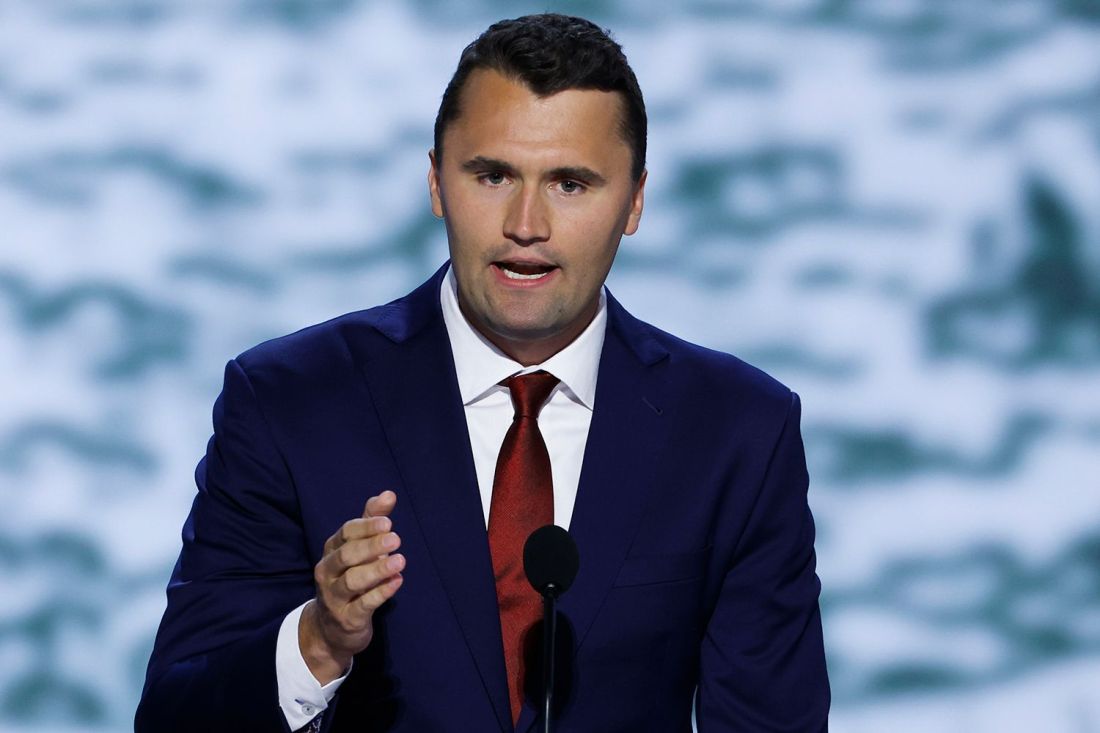
The assassination of Charlie Kirk is not about agreeing with him. I rarely did. It is about what happens when we normalize killing as a response to disagreement. Kirk was not a civil rights leader or a voice for the oppressed, but celebrating his death sets a dangerous precedent. History shows us that when violence becomes acceptable, it eventually targets those fighting for justice. Debate should test ideas, not end lives. If we cheer today, we risk creating a culture where tomorrow even voices we value can be silenced.

Fannie Lou Hamer: The Woman Who Refused to Back Down

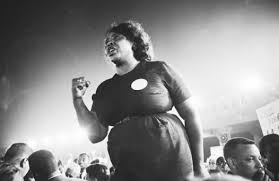
Fannie Lou Hamer was dragged into a Mississippi jail and beaten until her body could barely function. White officers forced two Black prisoners to assault her while they stood by, ensuring the punishment was carried out. The blows left her with permanent kidney damage, a blood clot in her eye, and lifelong injuries that never healed. She was left bruised, broken, and in pain, yet she never stopped fighting. She stood before the nation and told the truth about what was done to her, refusing to let fear or violence silence her.

Beyond Tulsa: The Black Wall Streets America Tried to Erase

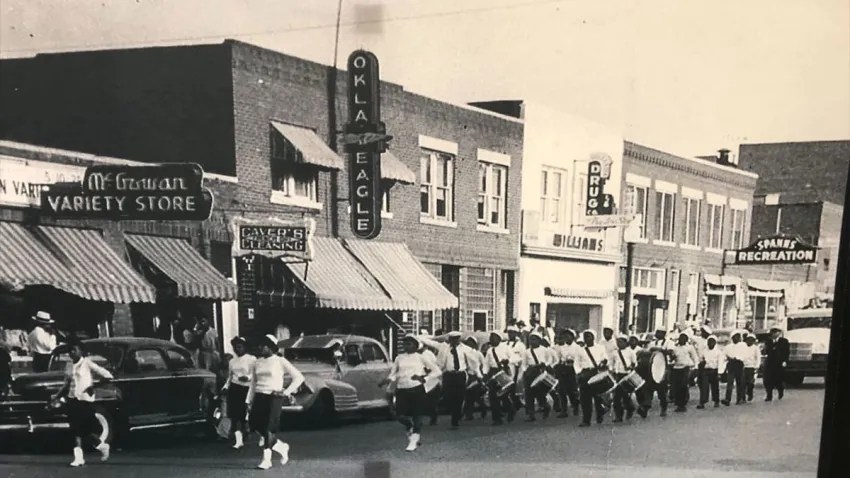
Erased from history, The systematic destruction of Black wealth, White terrorism and economic sabotage, Black economic power under attack, Thriving Black towns across America, The untold history of Black Wall Streets, Black prosperity stolen, Government-sanctioned racism, Urban renewal as a weapon, Highways through Black communities, Economic warfare against Black businesses, Massacres and land theft, The legacy of Black economic independence, White America’s war on Black success, The racial wealth gap is by design, Black Wall Streets beyond Tulsa, The hidden history of Black affluence, Black excellence erased, The fight for reparations, White mobs burned Black towns, Black financial independence targeted, What America refuses to teach, Why Black prosperity was dismantled, Black towns were more than Tulsa, The lasting impact of economic racism, Economic violence against Black America, How white America destroyed Black wealth.

A.G. Gaston: The Power of Black Wealth and the Divide in Black Liberation

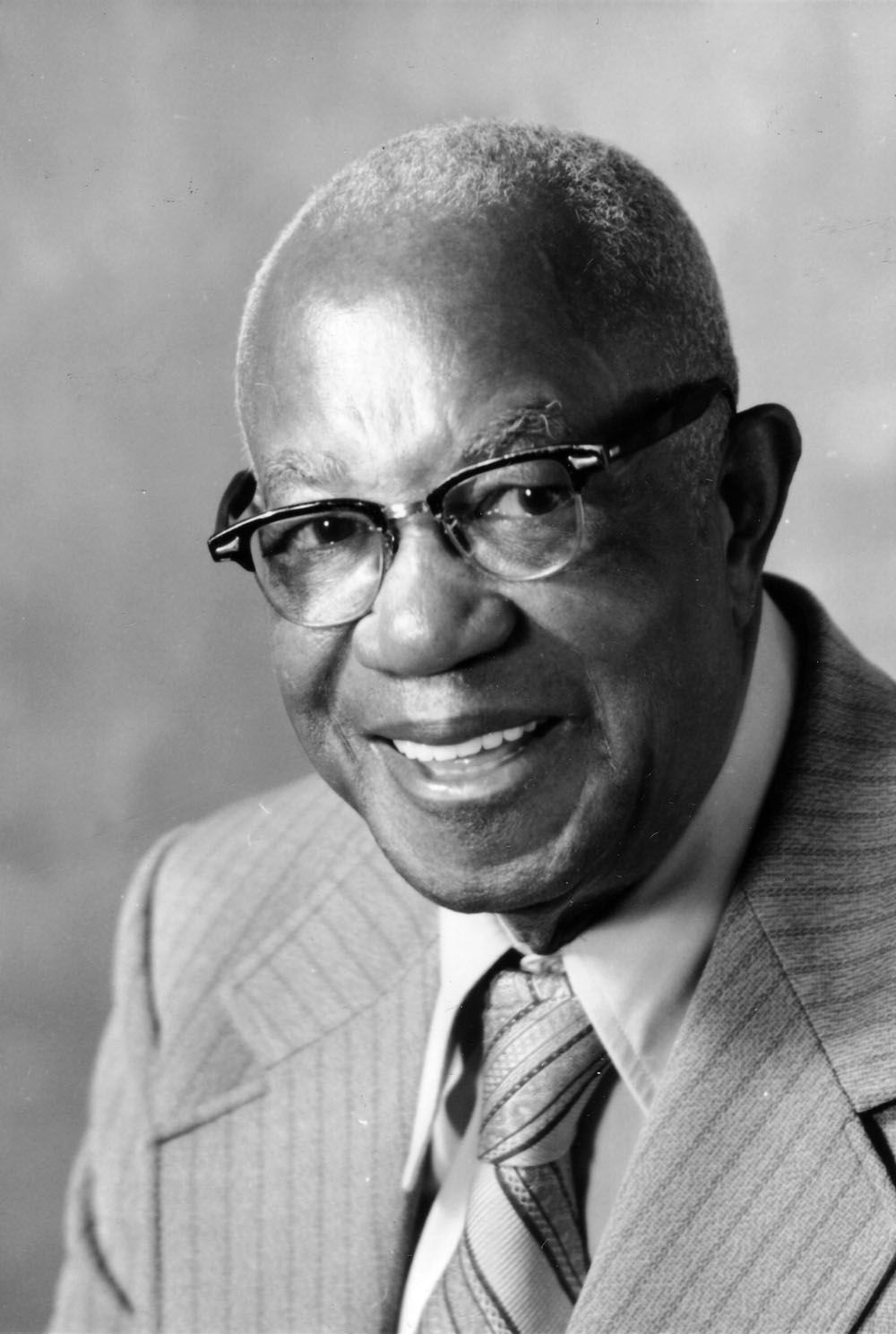
A.G. Gaston believed that Black economic power was the path to true liberation. He saw wealth as the key to breaking the cycle of oppression. He built institutions that served Black people in an era where few others did. His success proved that Black communities could create their own wealth, their own businesses, and their own economies. His life laid out a blueprint for financial independence, proving that ownership was not just about money but about power, survival, and dignity.

Philip Payton Jr.: The Architect of Harlem and Booker T. Washington’s Economic Vision

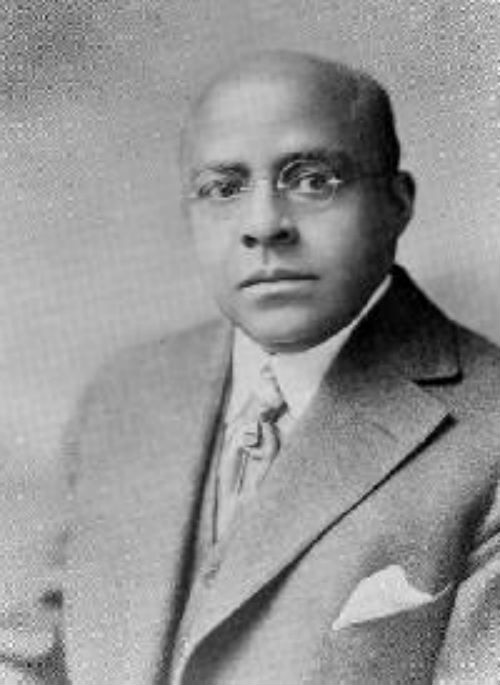
Philip Payton Jr. was not a musician, not a poet, not a painter of portraits or a sculptor of figures. He was an architect of space, a dealer in possibilities, a capitalist whose currency was land and whose strategy was disruption. In the Black American saga, we are often told of the Harlem Renaissance, Langston Hughes, Zora Neale Hurston, Duke Ellington, yet the prologue remains unspoken. How did Harlem become the mecca, the pulsing nerve center of Black culture? The answer, like so many buried in the margins of history, traces back to a man who dared to make racism too expensive to sustain. Payton is one of my favorite people to teach about because his work exemplifies the power of economic strategy in the fight for Black liberation.

Economic Empowerment for the Black Community: Lessons from H Mart and Uwajimaya

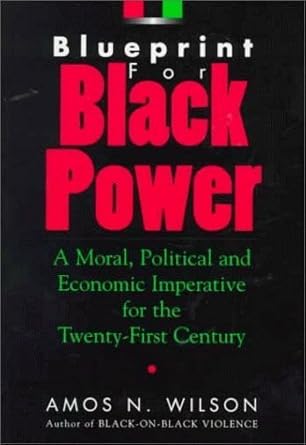
The Black community can gain economic empowerment by building grocery chains similar to H Mart and Uwajimaya, which have successfully combined business with cultural preservation. Drawing on Dr. Amos Wilson’s ideas from Blueprint for Black Power, we must take control of industries that serve our communities and keep wealth circulating within them. This could lead to greater economic independence, job creation, and a renewed sense of community for Black Americans.

Black History Lesson Plan Workshop at the Burke Museum: Promoting Black History Education

Featured

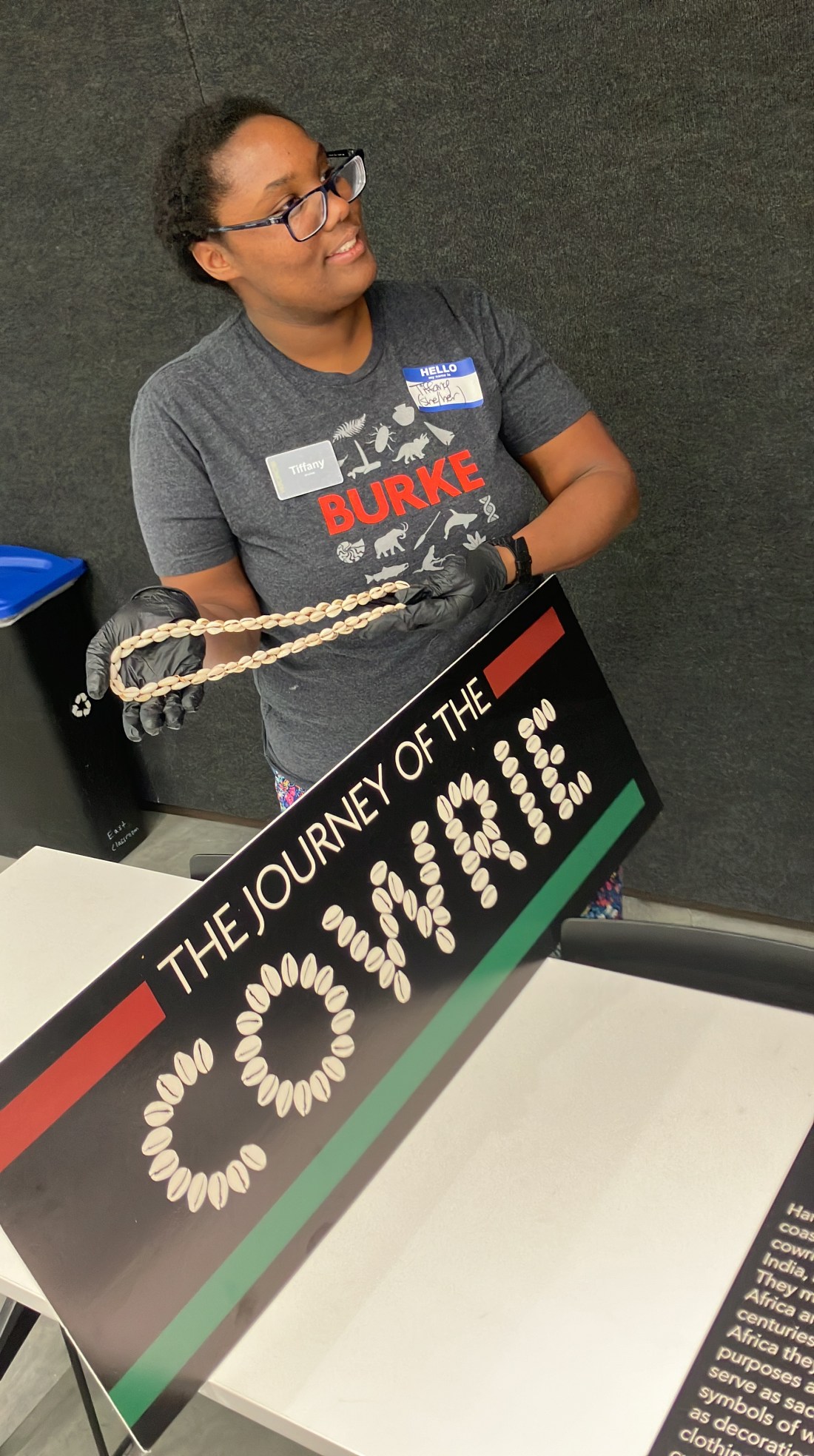
The Black History Lesson Plan Workshop held at the Burke Museum on February 25th, 2023, brought educators, administrators, and community members together to explore the importance of Black history education and share resources and strategies for incorporating Black history into teaching and learning.