

Washington extended special education eligibility so students can now receive services through the end of the school year in which they turn 22. That extra year is not a formality. It is a second chance to get transition right. If we treat it like storage, nothing changes. If we treat it like launch, we can use this time to build real adult lives, with real community connections, for students who have been surviving school instead of benefiting from it.
Tag: disability justice
Tracking Gen-Ed Minutes as Inclusion Proof: Who We Believe Our Children Are
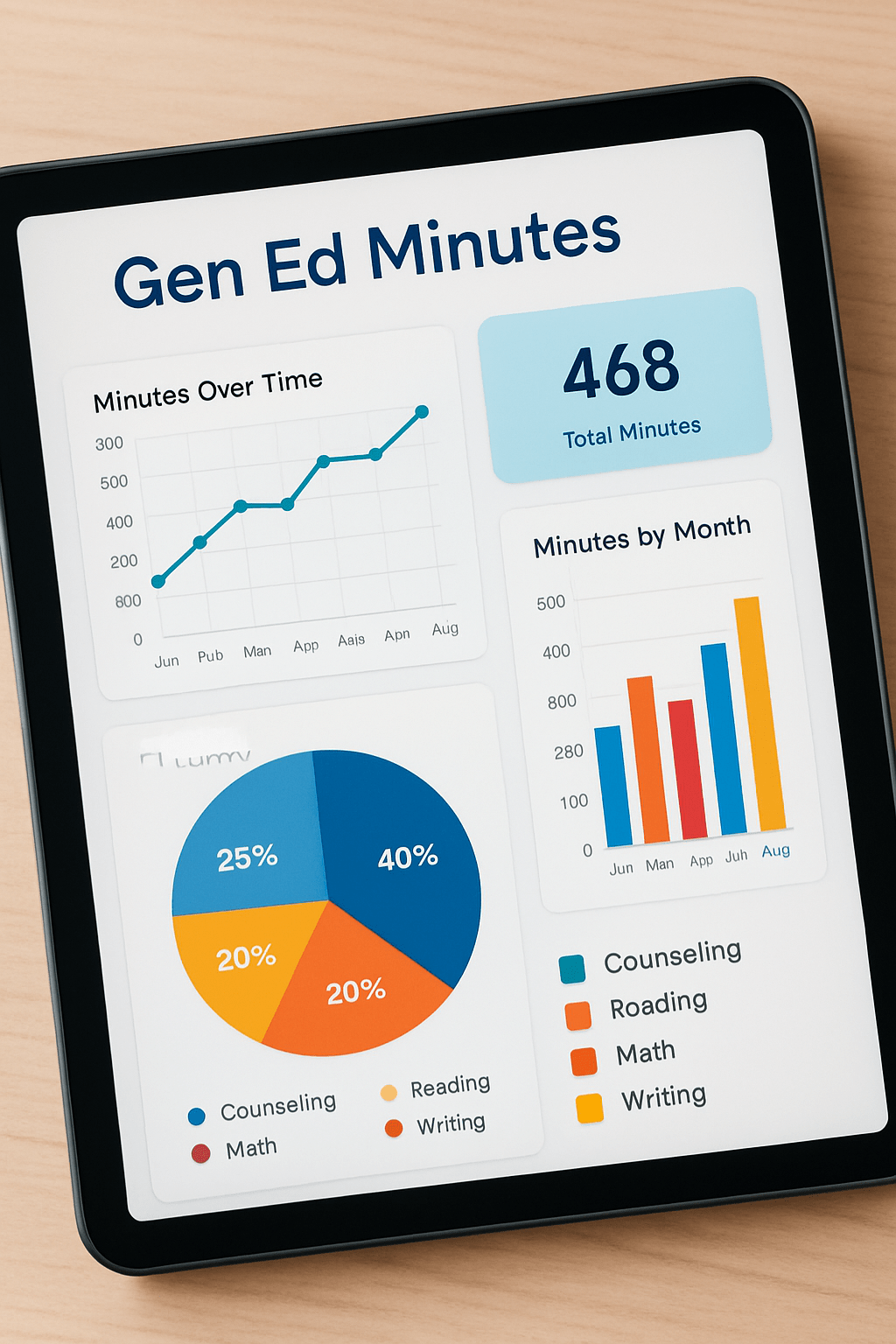
In every school building, there is a quiet arithmetic that tells the truth long before any mission statement does. It is not the language on the walls, not the slogans about excellence or equity. It is the simple count of where a child spends their minutes. Those minutes do not lie. They testify. For students with IEPs, general education minutes are not a small technical detail in a long document. They are a declaration of belief. They reveal whether a system sees a child as a full member of the learning community or as a visitor, escorted in and out of spaces where other children are presumed to belong by default. If we claim to believe in equity, then we must count the minutes where that equity is either practiced or denied. The minutes tell the story. Tracking them is how we decide to stop lying to ourselves about who our schools are truly built for.
Rewriting the Narrative: Changing the Language of Special Education
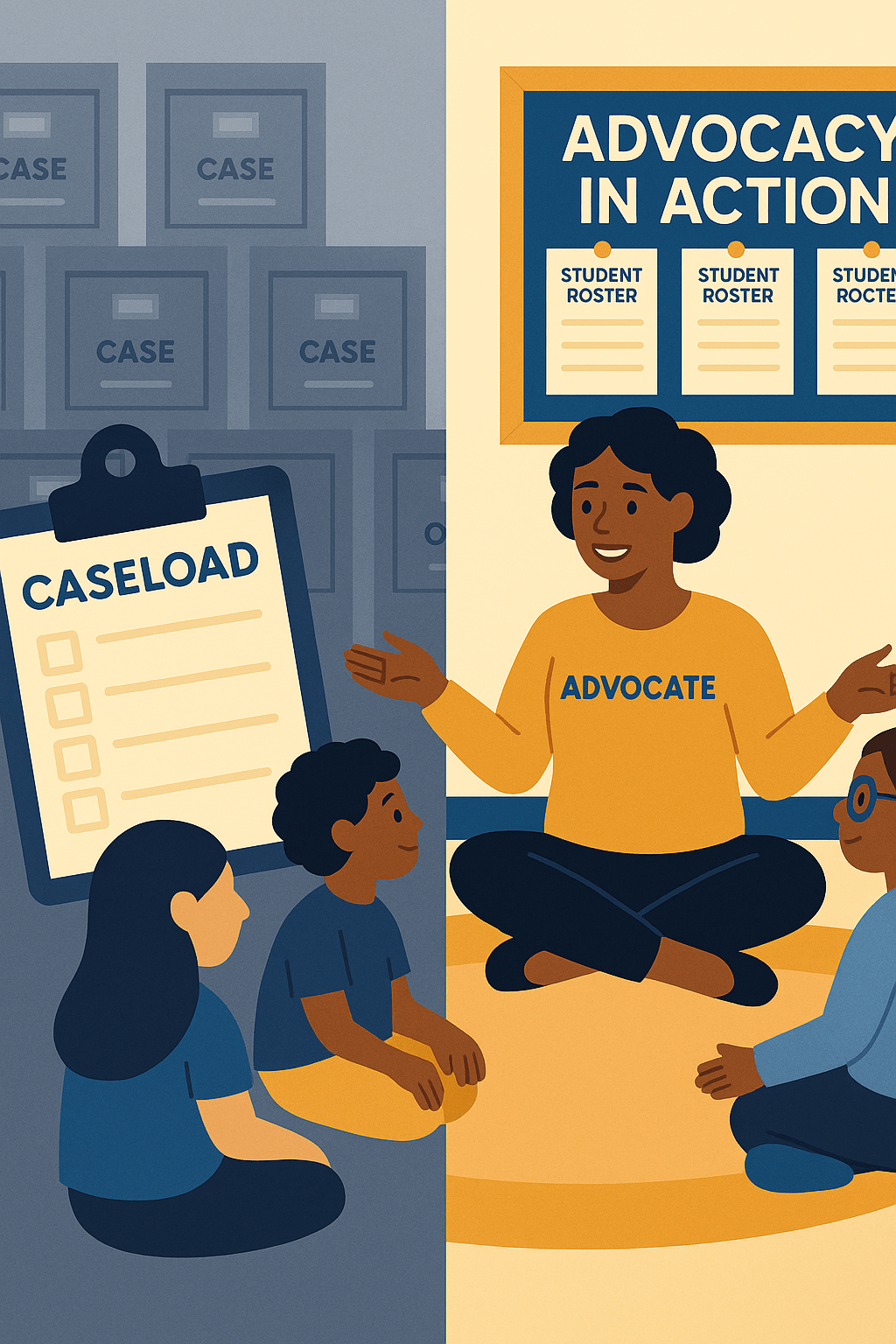
Language in Special Education is not neutral. Terms like “case manager” and “caseload” mirror the criminal justice system, not a learning community. This is a clear connection between SPED and carceral culture. I choose Advocate and Student Roster, because our students are people, not files. Change the language, change the culture.
 Thoughts Processed