Reimbursement grants do not provide new resources. They require community-based organizations to absorb financial risk in order to fulfill state obligations. This model limits participation, delays service delivery, and prevents asset development. Public funding should not come with private burden. Equity requires more than access; it requires accessible terms.
Tag: economic justice
The Market Is Bleeding, and I’m Still Thinking About Investing
Since Trump has been in office, I log into my brokerage account with a sense of tension. What used to feel like a step toward financial growth now feels more like bracing for impact. Each time I check, there is another drop, another policy shift, another ripple across the market that reminds me how deeply politics and money are tied together.
The Desperation of a Declining Empire
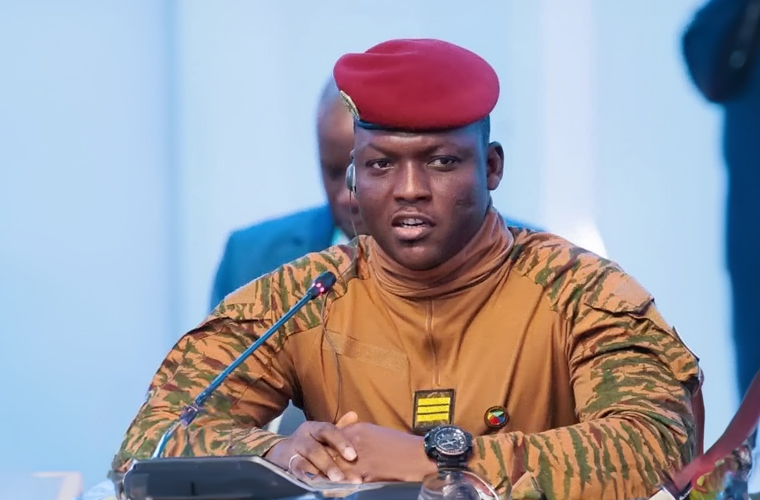
This is a turning point for Black people across the African Diaspora. As Western power declines and African nations reclaim their sovereignty, new pathways are opening. These are the very paths our ancestors dreamed of and our elders fought to keep alive. The visions of Marcus Garvey, Malcolm X, Kwame Nkrumah, and Muammar Gaddafi were never rooted in acceptance by empires built on our suffering. They were rooted in global Black unity, shared wealth, and self-determination. Africa is rising. So must we. The fall of neocolonial influence on the continent is not just a shift in politics. It is an invitation to reconnect, to invest, to rebuild. Black communities around the world have the chance to form direct relationships with the African continent, free from Western gatekeepers. We are not destined to live on the margins of systems designed to exploit us. We are heirs to a global legacy and capable of shaping the next chapter of history. This is more than a political moment. It is a generational opportunity. The question is not whether we belong in the future. The question is whether we are ready to lead it.

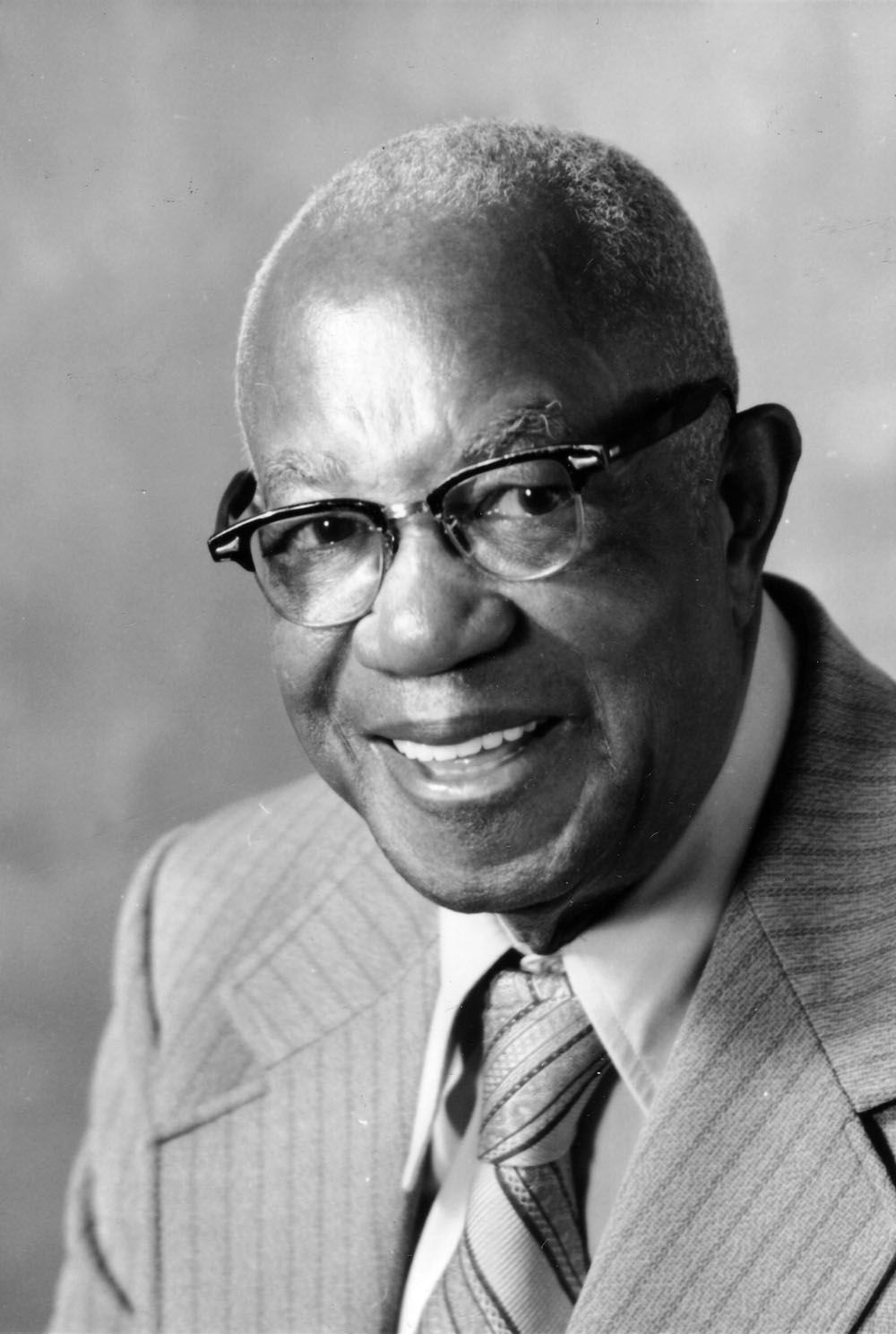
A.G. Gaston: The Power of Black Wealth and the Divide in Black Liberation
A.G. Gaston believed that Black economic power was the path to true liberation. He saw wealth as the key to breaking the cycle of oppression. He built institutions that served Black people in an era where few others did. His success proved that Black communities could create their own wealth, their own businesses, and their own economies. His life laid out a blueprint for financial independence, proving that ownership was not just about money but about power, survival, and dignity.