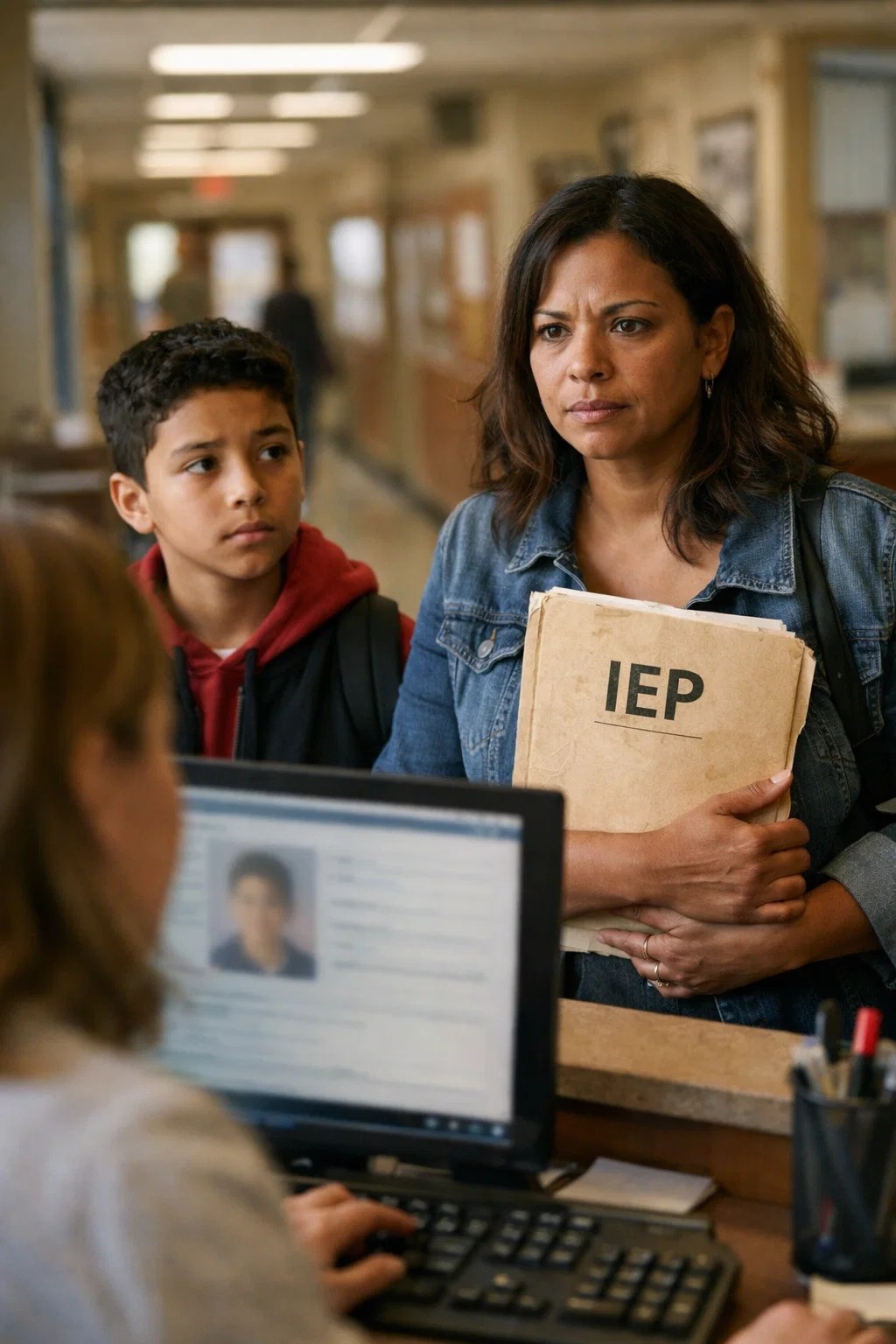
IEP data transfers rarely fail because the “API broke.” They fail because identity breaks first. When a transferring student lands in the receiving district’s systems, the question is simple, is this the same student or a different one? If the answer is uncertain, the database does what databases do, it creates a new record. That single moment creates a chain reaction, duplicated minutes, missing accommodations, transportation errors, Medicaid billing rejections, and compliance timelines built on incomplete context. The solution is not another platform. The solution is deciding what your source of truth is, usually the SIS, then implementing a crosswalk that maps the canonical StudentID to every other system’s identifier. Pair that with matching rules that prioritize stable identifiers, automation for high confidence matches, and a review queue for uncertainty. Clean identity is not paperwork, it is protection.
Tag: Education
Why IDEA Must Stay in the U.S. Department of Education, and Why 850+ Organizations Just Drew the Line
More than 850 organizations across the United States have issued a unified call to keep IDEA oversight within the U.S. Department of Education. Their message is clear: moving IDEA to another agency risks eroding protections, weakening accountability, and disrupting services for millions of students with disabilities. IDEA is a federal civil rights law, not a discretionary program, and it requires consistent, centralized oversight to ensure equity, guard against fragmentation, and stop the continued funneling of marginalized students into under resourced special education systems.
From “Wait To Fail” To “Teach First”: Why Washington’s SLD Shift Matters For Our Kids
Washington is finally moving away from a model that labeled children off a test score gap and toward one that asks a simple question first: how were they taught. For students who were pushed into Special Education because of discipline, bias, or adult frustration, this shift is a chance to stop hiding harm inside an SLD label and start telling the truth with instructional data. Thoughts Cost has been calling for this since Covid, when it became obvious that you cannot call it a disability if a student never had a real shot at learning.
Extending Special Education To 22: Time, Dignity, And The Work We Choose To Do With Both
Washington extended special education eligibility so students can now receive services through the end of the school year in which they turn 22. That extra year is not a formality. It is a second chance to get transition right. If we treat it like storage, nothing changes. If we treat it like launch, we can use this time to build real adult lives, with real community connections, for students who have been surviving school instead of benefiting from it.
When The Ground Shifts Under Our Classrooms
The federal government just moved billions of dollars in education programs out of the Department of Education, framing it as a step toward “returning power to the states.” Behind that language sits a harsher reality. Special education offices have been gutted, key grants are being scattered across unfamiliar agencies, and families are being left to navigate a system that no longer has a clear front door. This moment demands more than outrage. It demands local organizing, documentation, and community based accountability to protect students who have always lived on the margins of the system.
Turning Stories Into Proof: How To Make Narrative Count As Data In Schools
Narrative is not the soft side of education. It is evidence. It is the living pulse inside the data we claim to honor. When a student finally asks a peer for help, when a family sees independence taking root at home, when a young person takes a step forward that no scoreboard will ever measure, those moments are the data. The job is not to shrink stories to fit spreadsheets. The job is to structure the story so clearly, so precisely, so truthfully, that no one can deny its weight. Story becomes measurement. Observation becomes evidence. Growth becomes visible.
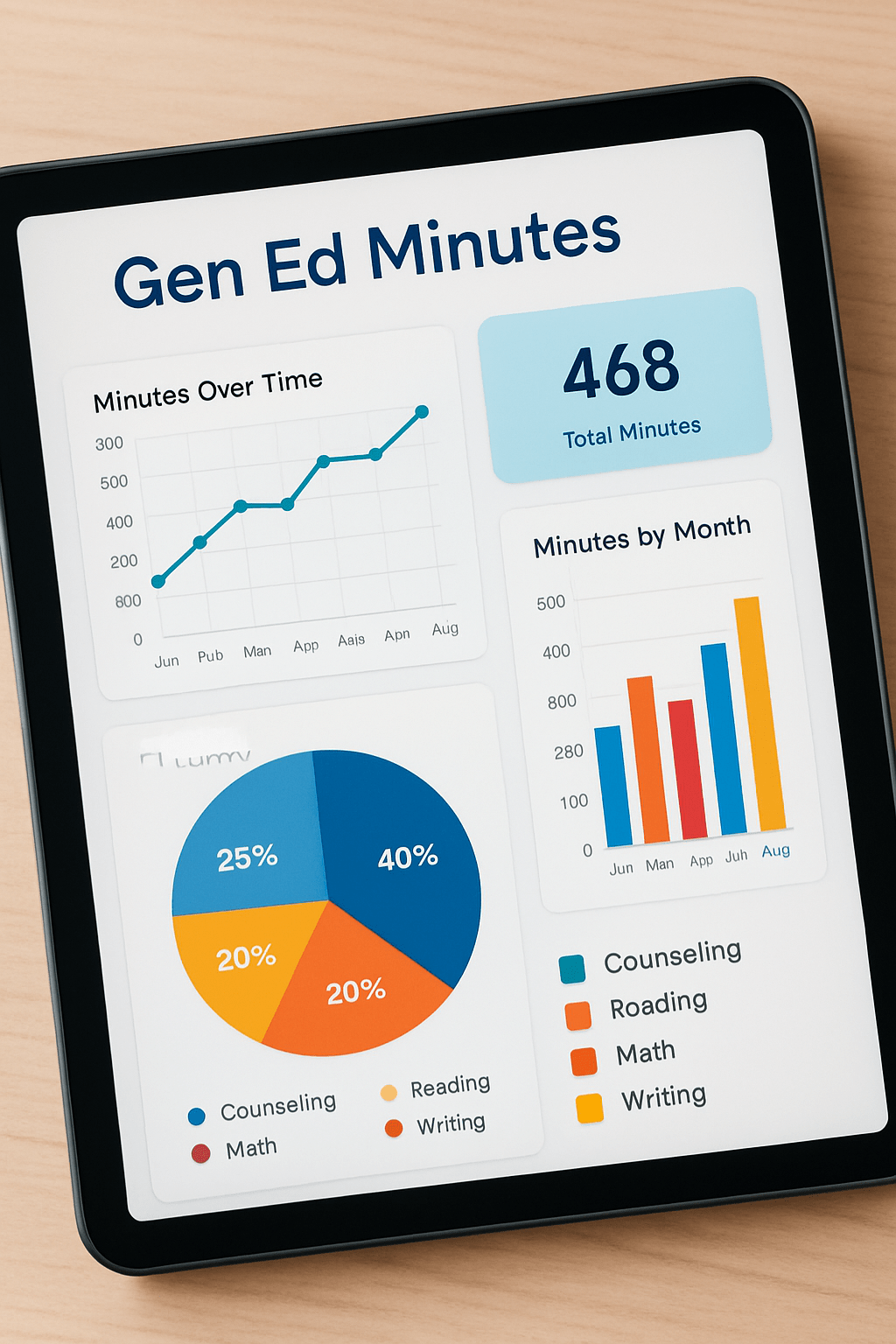
Tracking Gen-Ed Minutes as Inclusion Proof: Who We Believe Our Children Are
In every school building, there is a quiet arithmetic that tells the truth long before any mission statement does. It is not the language on the walls, not the slogans about excellence or equity. It is the simple count of where a child spends their minutes. Those minutes do not lie. They testify. For students with IEPs, general education minutes are not a small technical detail in a long document. They are a declaration of belief. They reveal whether a system sees a child as a full member of the learning community or as a visitor, escorted in and out of spaces where other children are presumed to belong by default. If we claim to believe in equity, then we must count the minutes where that equity is either practiced or denied. The minutes tell the story. Tracking them is how we decide to stop lying to ourselves about who our schools are truly built for.
Mentors Built Me, Now We Build Pathways
College and career go together. Use IEP transition planning to combine dual credit, Career and Technical Education, apprenticeships, paid work, and industry certifications. Add mentors from Black owned and community owned businesses, and from real workplaces like professional kitchens. Track completion rates, paid hours, and supervisor feedback with work based learning logs, then organize artifacts with a student Portfolio Checklist.
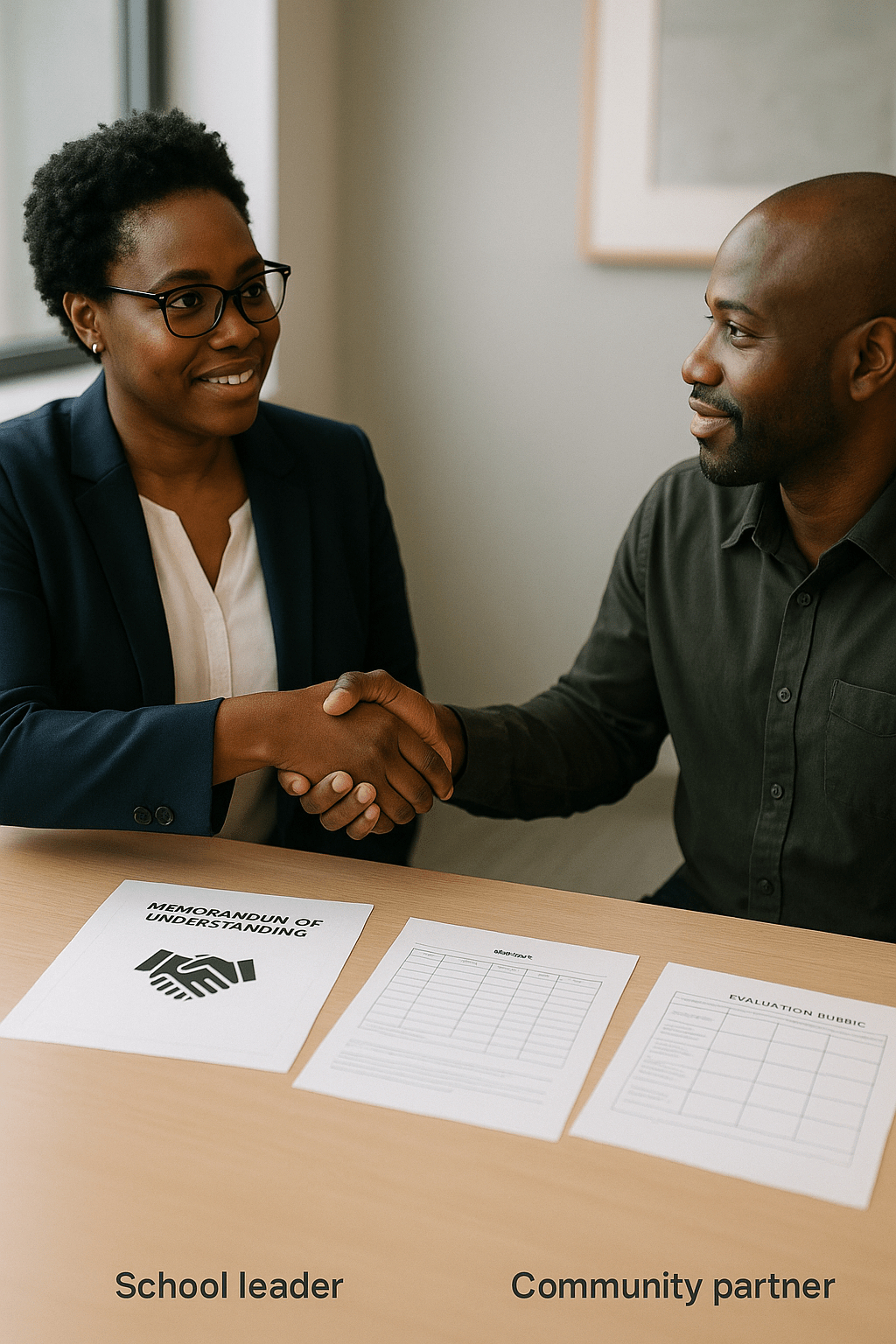
Community Partners Are Multipliers
Partnerships work best when they are local, accountable, and organized. Build a partner database that centers Black-owned and community-owned businesses, secures MOUs and DSAs that comply with FERPA, matches students by IEP supports and interests, tracks paid hours and outcomes, and publishes a quarterly dashboard. System beats heroics.
Make IEP Meetings Strategic
An Individualized Education Program meeting should run like a strategy session. Share the agenda early, review data together, write plain language goals, and leave with a 30 day plan that names actions, owners, and dates. Families walk out knowing exactly what happens next.