When the Safety Net Frays: What Federal Layoffs Mean for Special Education

The U.S. Department of Education has begun laying off 466 employees during the federal shutdown, which is about one fifth of the agency’s remaining staff. Several offices that protect civil rights and support students with disabilities are among the hardest hit. Reports indicate that the Office of Special Education Programs is dropping from about 200 … Continue reading When the Safety Net Frays: What Federal Layoffs Mean for Special Education

Rewriting the Narrative: Changing the Language of Special Education

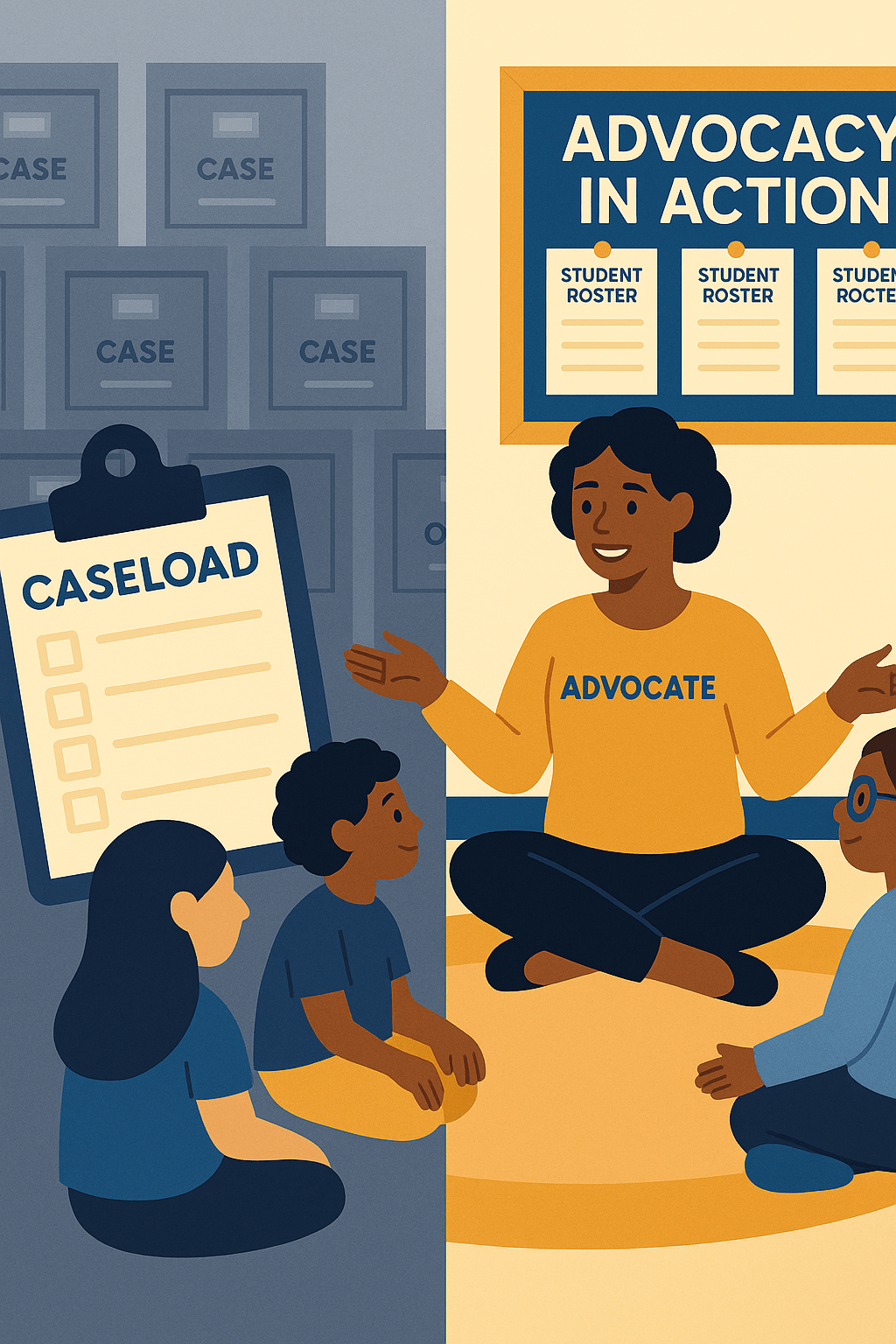
Language in Special Education is not neutral. Terms like “case manager” and “caseload” mirror the criminal justice system, not a learning community. This is a clear connection between SPED and carceral culture. I choose Advocate and Student Roster, because our students are people, not files. Change the language, change the culture.

Should Teachers Allow Students To Use ChatGPT? Yes, With Purpose, Guardrails, And Age-Appropriate Scaffolds

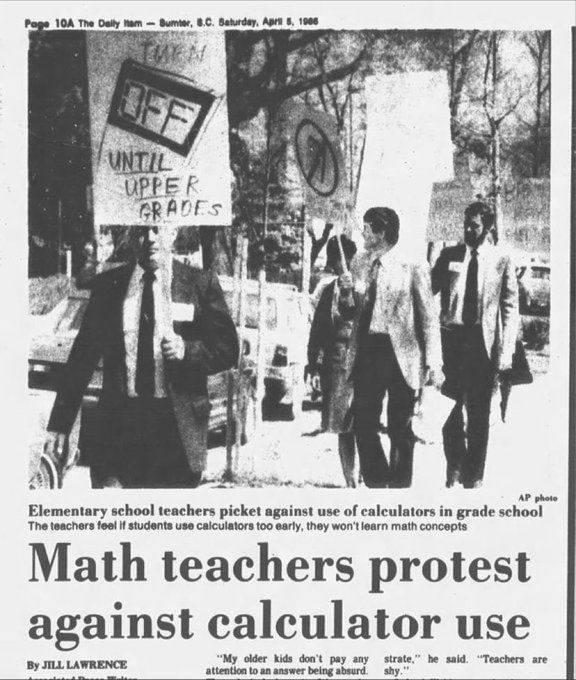
Teachers should allow ChatGPT with purpose and guardrails. Use it for brainstorming, reading support, feedback, and study help, not to produce final drafts. Start with teacher-led demos in K to 2, guided small-group use in grades 3 to 5, limited independent use with checks in grades 6 to 8, and accountable independent use in grades 9 to 12 and college. Keep equity, privacy, and visible thinking at the center.

Meeting the Moment: How Thoughts Cost Can Help Washington Districts Solve Special Education and Inclusion Gaps

Washington school districts are navigating deep special education funding gaps, staffing shortages, and the complex transition to more inclusive practices. From Seattle to Spokane, districts are reimagining services and calling for state support, yet they also need practical tools that ease workloads and strengthen family partnerships. Thought Cost offers co-planning supports, progress monitoring, and bilingual-ready communication systems to help districts deliver on equity and inclusion, student by student.

When the Dream Costs More Than Money: VEqual, ReadEase, and the AI IEP Assistant

Over the past three years, I have invested one hundred seventy-five thousand dollars of my own money into building educational technology solutions designed to close gaps that harm students with disabilities. From VEqual, an immersive virtual school that began as a science lab, to ReadEase, an AI-powered reading tutor, to the AI IEP Assistant that helps teachers focus on delivering services rather than just writing plans, these tools were built to create real change. This is not a story of failure. This is a call for partners who believe in equity, inclusion, and innovation in special education.

Emojis as a Game Changer in Education: A Lesson Learned from My Students

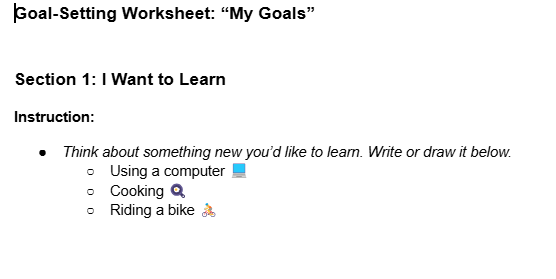
I have always been intentional about Universal Design for Learning (UDL), offering students multiple ways to engage with material. When I added emojis to a goal-setting worksheet, I thought they were just a fun visual. Five students interacted with them in different ways, revealing an unexpected way to make learning more accessible. That moment reshaped how I approach lesson design, proving that small changes can make a big impact.

Preparing for the Impact on Special Education Funding in Washington State and Nationwide

The potential defunding of the U.S. Department of Education threatens special education nationwide. Cuts to IDEA and Title I funding could reduce resources, undermining Universal Design for Learning (UDL) and Culturally Responsive Teaching. States like Washington may rely on agencies like DSHS to fill gaps, but advocacy and alternative funding are crucial to protecting equitable education access.

A.G. Gaston: The Power of Black Wealth and the Divide in Black Liberation

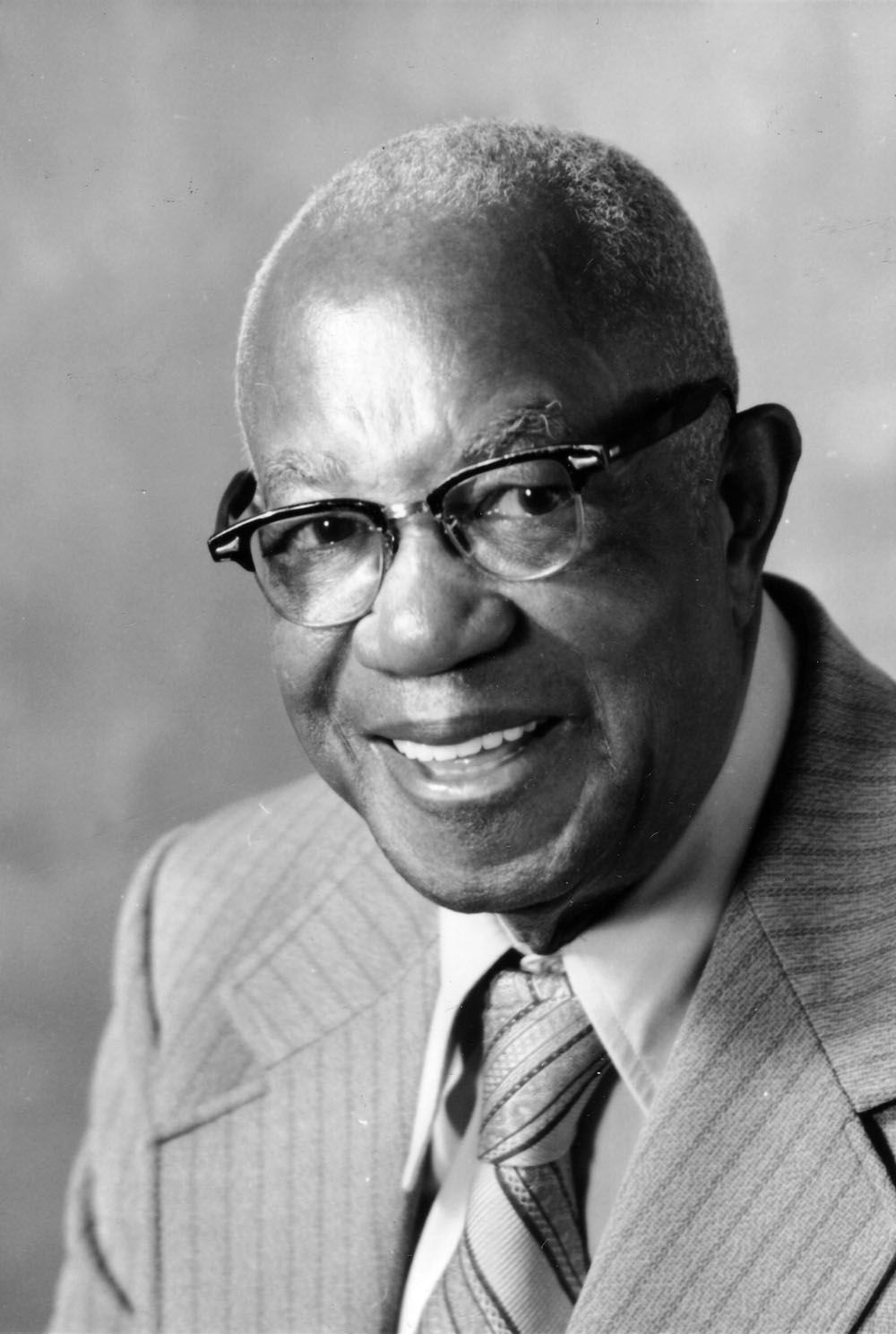
A.G. Gaston believed that Black economic power was the path to true liberation. He saw wealth as the key to breaking the cycle of oppression. He built institutions that served Black people in an era where few others did. His success proved that Black communities could create their own wealth, their own businesses, and their own economies. His life laid out a blueprint for financial independence, proving that ownership was not just about money but about power, survival, and dignity.