More than 850 organizations across the United States have issued a unified call to keep IDEA oversight within the U.S. Department of Education. Their message is clear: moving IDEA to another agency risks eroding protections, weakening accountability, and disrupting services for millions of students with disabilities. IDEA is a federal civil rights law, not a discretionary program, and it requires consistent, centralized oversight to ensure equity, guard against fragmentation, and stop the continued funneling of marginalized students into under resourced special education systems.
Tag: Equity
Community Partners Are Multipliers
Partnerships work best when they are local, accountable, and organized. Build a partner database that centers Black-owned and community-owned businesses, secures MOUs and DSAs that comply with FERPA, matches students by IEP supports and interests, tracks paid hours and outcomes, and publishes a quarterly dashboard. System beats heroics.
Differentiation Without Watering Down
Differentiation should lift students to grade level learning, not lower the bar. Keep grade level texts on the table, add accommodations and scaffolds to open access, and monitor progress so supports fade as independence grows.
Make IEP Meetings Strategic
An Individualized Education Program meeting should run like a strategy session. Share the agenda early, review data together, write plain language goals, and leave with a 30 day plan that names actions, owners, and dates. Families walk out knowing exactly what happens next.
Family Partnership Is a Cadence
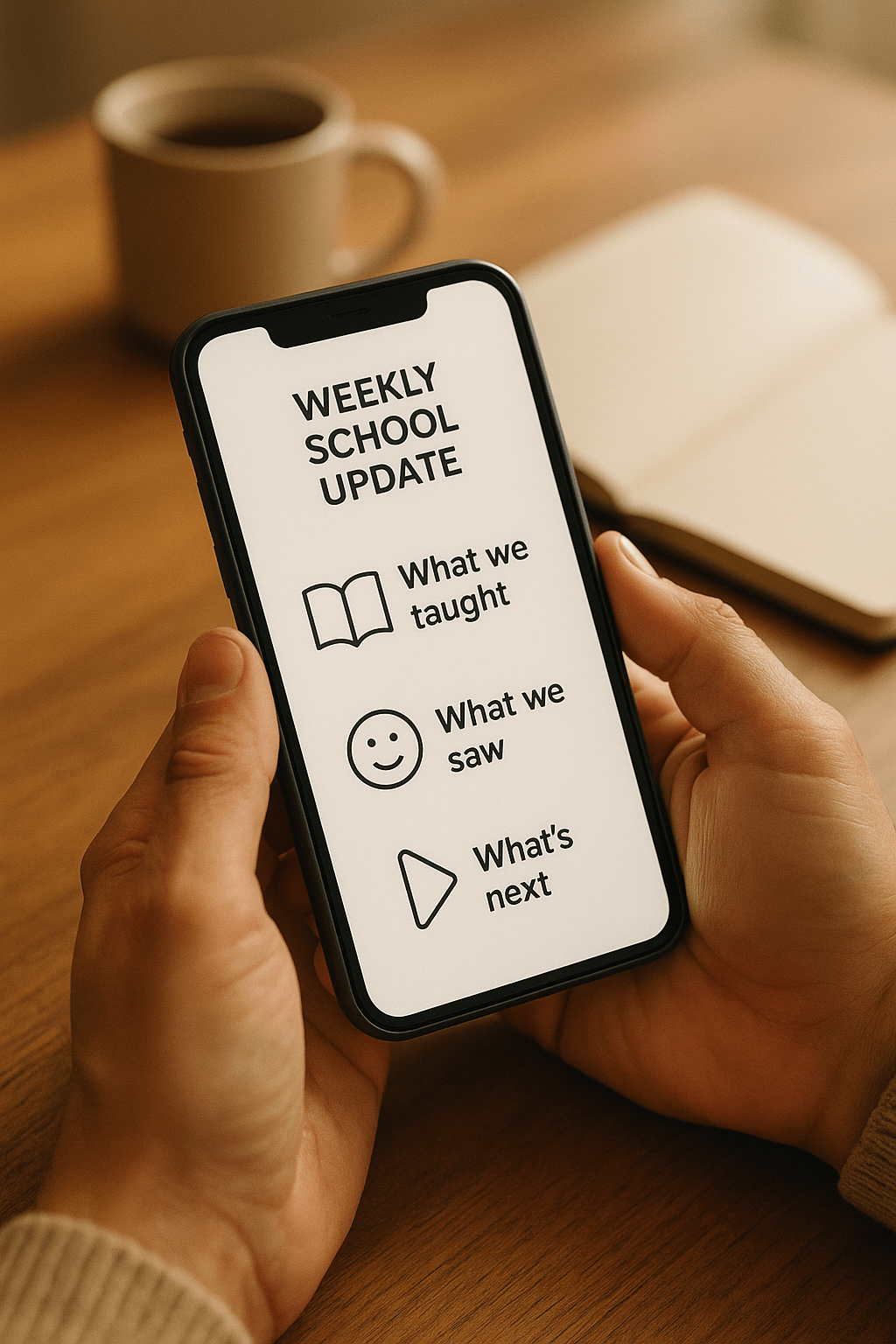
Family partnership is a steady rhythm, not a single meeting. Share a weekly, plain language update that explains what was taught, what you observed, and what comes next. Add one clear way families can help, then repeat it every week.
Transition Means Jobs, Not Just Paperwork
Transition services should produce paychecks and references. Track paid hours, job shadows, interviews, and supervisor feedback. Build a résumé before graduation and connect students with vocational rehabilitation so work continues after high school.
The Unseen Weight: Black Women, DEI, and the Quiet Call for Recognition
Black women, DEI backlash, Diversity Equity and Inclusion, Black excellence, Black women in education, Black women in leadership, systemic racism, affirmative action, white women and DEI, labor history, Black success, racial discrimination, Kamala Harris, merit vs. DEI, Black women in the workforce, educational attainment, media bias, Black resilience, historical labor trends, corporate diversity, Black professionals
Four Years of Thoughts Cost: A Journey from One Student to Statewide Impact
Tomorrow marks four years since Thoughts Cost began with one student and a mission to create meaningful change during the uncertainty of the pandemic. From humble beginnings with no plan or income, we have grown into a movement that builds programs, develops EdTech tools, and secures state-level contracts to empower students, families, and educators. This journey has been defined by resilience, creativity, and a commitment to equity and inclusion.
Redefining the Impact of White Individuals on Social Constructs
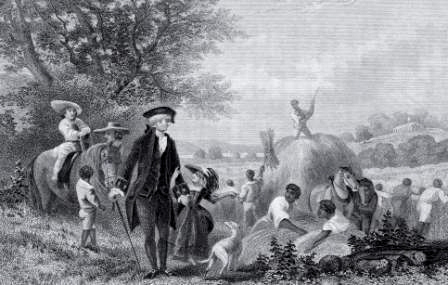
In the vast tapestry of our world, the influence of social constructs and their impact on society looms large. Throughout history, certain social constructs have been erected and dismantled, often with white individuals at the forefront. This blog aims to delve deep into this intricate realm, shedding light on the instances where white individuals have wielded significant influence in shaping social constructs. It is an exploration of the intersection where gender and race converge, unraveling the intricate dynamics of power, privilege, racism, and equality. One cannot deny the indelible mark left by white individuals on social constructs. Take Carl Linnaeus, the renowned Swedish botanist, for example. His meticulous classification of humanity into racial groups birthed the abhorrent concept of scientific racism, perpetuating racial hierarchies and providing a foundation for discriminatory practices. Similarly, the eugenics movement, though not exclusive to white individuals, found acceptance in Western societies, resulting in forced sterilizations and systemic discrimination against marginalized communities. History tells tales of white figures who exploited their positions of power to perpetuate and justify racial oppression. These instances expose the troubling truth that social constructs can be wielded as weapons, enforcing inequality and sowing suffering. Such realities prompt us to examine the complex relationship between race and gender, where intersecting identities shape experiences, opportunities, and privileges. However, there is a pressing concern to be addressed—an impregnable shield created by gender that deflects conversations about racism and equality. Power dynamics and privilege influence perspectives, hindering a comprehensive understanding of the lived realities of marginalized racial groups. By unmasking this veil and scrutinizing these dynamics without hesitation, we can reveal the trials faced by diverse communities, paving the way toward a more inclusive society. The path to progress lies in embracing intersectionality—the convergence of gender and race. By confronting the distinct struggles experienced by different communities, we can dismantle oppressive social constructs. This endeavor requires the active engagement of individuals of all races, as unity is the key to forging a future steeped in equity and justice. In conclusion, the influence of white individuals on social constructs throughout history cannot be overlooked. Understanding this impact and its intersections with gender and race is crucial in dismantling oppressive systems and striving for a more inclusive and just society. By examining our past, addressing present issues, and actively working toward a better future, we redefine the role of white individuals in shaping social constructs, ultimately paving the way for a more equitable world.

Breaking the Chains of Outdated Invoicing: A Call to Action for Small Business Equity
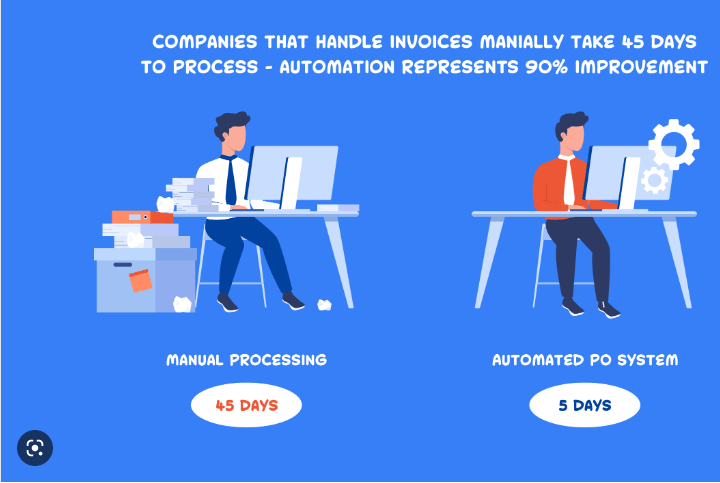
The current invoicing system is simply not designed to support small businesses like mine. The practice of paying small businesses, especially minority-owned businesses, a month or more after the work has been completed is unjust and unfair. This outdated system causes immense harm to small business owners and their day-to-day operations and needs to be changed.