Fixed For Who

An email exchange revealing concerns about a potentially manipulated Request for Proposal (RFP) process in Rhode Island's education sector. Gatekeeping, "Statewide" Work, and Black Kids in Washington Somebody in Rhode Island hit send on an email that most people in education politics only say out loud behind closed doors. "It's a fixed RFP, but luckily … Continue reading Fixed For Who

The Desperation of a Declining Empire

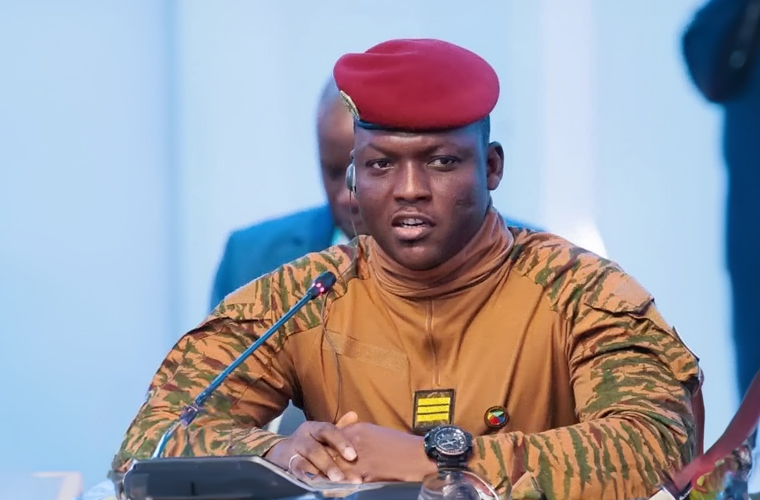
This is a turning point for Black people across the African Diaspora. As Western power declines and African nations reclaim their sovereignty, new pathways are opening. These are the very paths our ancestors dreamed of and our elders fought to keep alive. The visions of Marcus Garvey, Malcolm X, Kwame Nkrumah, and Muammar Gaddafi were never rooted in acceptance by empires built on our suffering. They were rooted in global Black unity, shared wealth, and self-determination. Africa is rising. So must we. The fall of neocolonial influence on the continent is not just a shift in politics. It is an invitation to reconnect, to invest, to rebuild. Black communities around the world have the chance to form direct relationships with the African continent, free from Western gatekeepers. We are not destined to live on the margins of systems designed to exploit us. We are heirs to a global legacy and capable of shaping the next chapter of history. This is more than a political moment. It is a generational opportunity. The question is not whether we belong in the future. The question is whether we are ready to lead it.

The Uniqueness of Black Capitalism: A Letter from the Margins

Black capitalism is unique because it has had no choice but to be. It has been defined by its need to function in opposition, to build wealth that does not exploit but sustains, to find ways to exist in a system that has sought to erase it. This is not an argument for blind faith in capitalism. It is not a dismissal of the way capitalism has harmed Black people. It is a recognition that Black economic strategies have always been different. They have never been about conquest. They have been about survival. If the word capitalism carries too much weight, if it conjures images of greed and destruction, then call it something else. Call it what it has always been: resistance. Call it what it has always meant: survival. Call it what it has always sought to build: a future that cannot be stolen.

York, the Buffalo Soldiers, and the Price of Serving an Empire

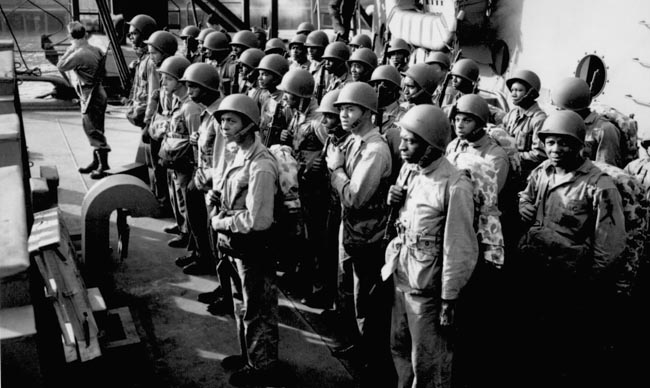
York’s contributions were essential to the success of the Lewis and Clark Expedition. Without him, they might not have survived. He hunted for food when supplies ran low, traded with Indigenous tribes to secure safe passage, and endured the same grueling conditions as his white counterparts. Decades later, Buffalo Soldiers faced a similar contradiction, serving a nation that had freed them from slavery but used them to oppress others.

Fannie Lou Hamer: The Woman Who Refused to Back Down

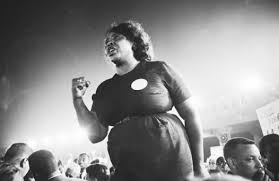
Fannie Lou Hamer was dragged into a Mississippi jail and beaten until her body could barely function. White officers forced two Black prisoners to assault her while they stood by, ensuring the punishment was carried out. The blows left her with permanent kidney damage, a blood clot in her eye, and lifelong injuries that never healed. She was left bruised, broken, and in pain, yet she never stopped fighting. She stood before the nation and told the truth about what was done to her, refusing to let fear or violence silence her.

Beyond Tulsa: The Black Wall Streets America Tried to Erase

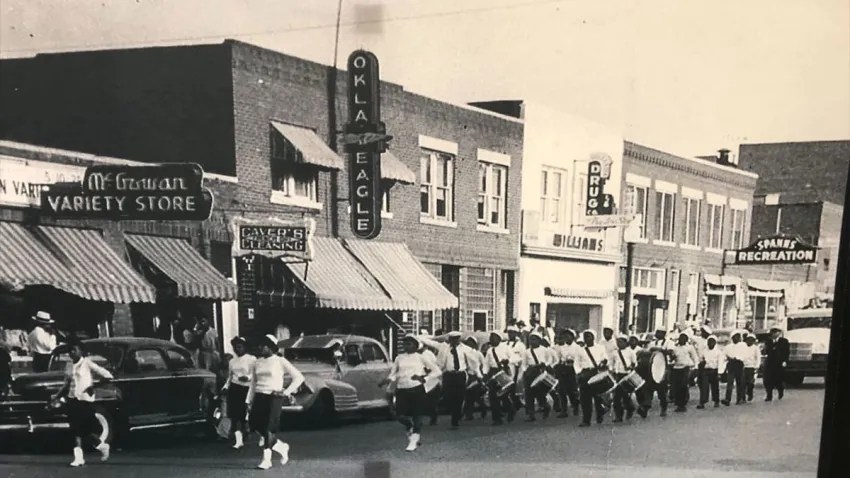
Erased from history, The systematic destruction of Black wealth, White terrorism and economic sabotage, Black economic power under attack, Thriving Black towns across America, The untold history of Black Wall Streets, Black prosperity stolen, Government-sanctioned racism, Urban renewal as a weapon, Highways through Black communities, Economic warfare against Black businesses, Massacres and land theft, The legacy of Black economic independence, White America’s war on Black success, The racial wealth gap is by design, Black Wall Streets beyond Tulsa, The hidden history of Black affluence, Black excellence erased, The fight for reparations, White mobs burned Black towns, Black financial independence targeted, What America refuses to teach, Why Black prosperity was dismantled, Black towns were more than Tulsa, The lasting impact of economic racism, Economic violence against Black America, How white America destroyed Black wealth.

A.G. Gaston: The Power of Black Wealth and the Divide in Black Liberation

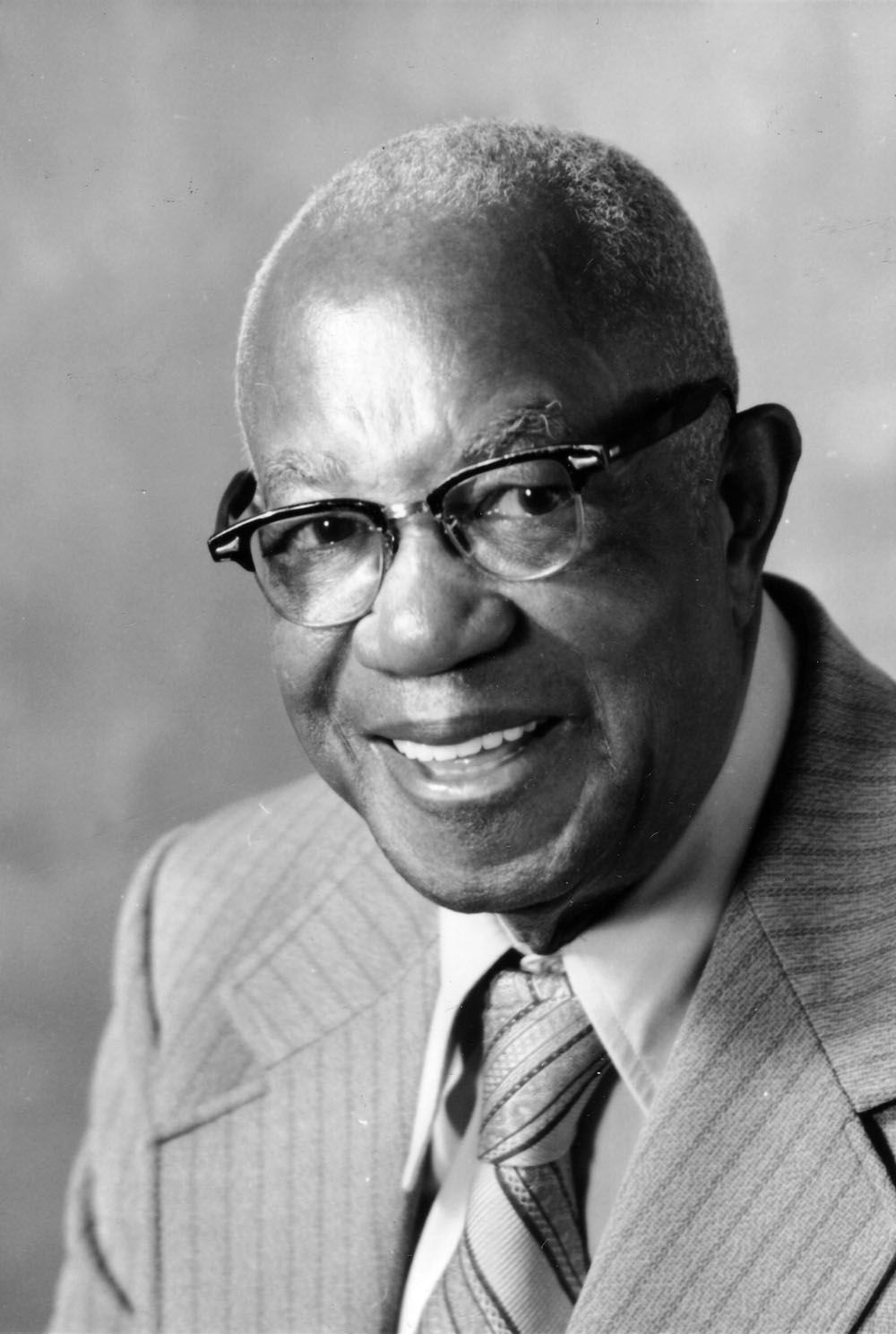
A.G. Gaston believed that Black economic power was the path to true liberation. He saw wealth as the key to breaking the cycle of oppression. He built institutions that served Black people in an era where few others did. His success proved that Black communities could create their own wealth, their own businesses, and their own economies. His life laid out a blueprint for financial independence, proving that ownership was not just about money but about power, survival, and dignity.

Philip Payton Jr.: The Architect of Harlem and Booker T. Washington’s Economic Vision

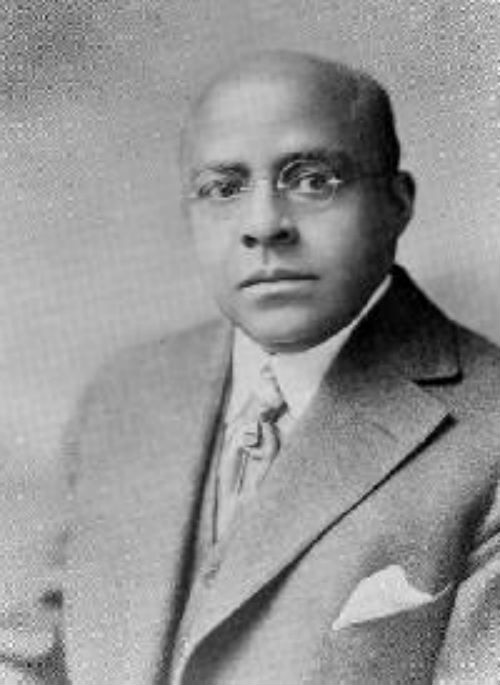
Philip Payton Jr. was not a musician, not a poet, not a painter of portraits or a sculptor of figures. He was an architect of space, a dealer in possibilities, a capitalist whose currency was land and whose strategy was disruption. In the Black American saga, we are often told of the Harlem Renaissance, Langston Hughes, Zora Neale Hurston, Duke Ellington, yet the prologue remains unspoken. How did Harlem become the mecca, the pulsing nerve center of Black culture? The answer, like so many buried in the margins of history, traces back to a man who dared to make racism too expensive to sustain. Payton is one of my favorite people to teach about because his work exemplifies the power of economic strategy in the fight for Black liberation.

The Myth of the Square: Why We Need to Rethink What We Respect

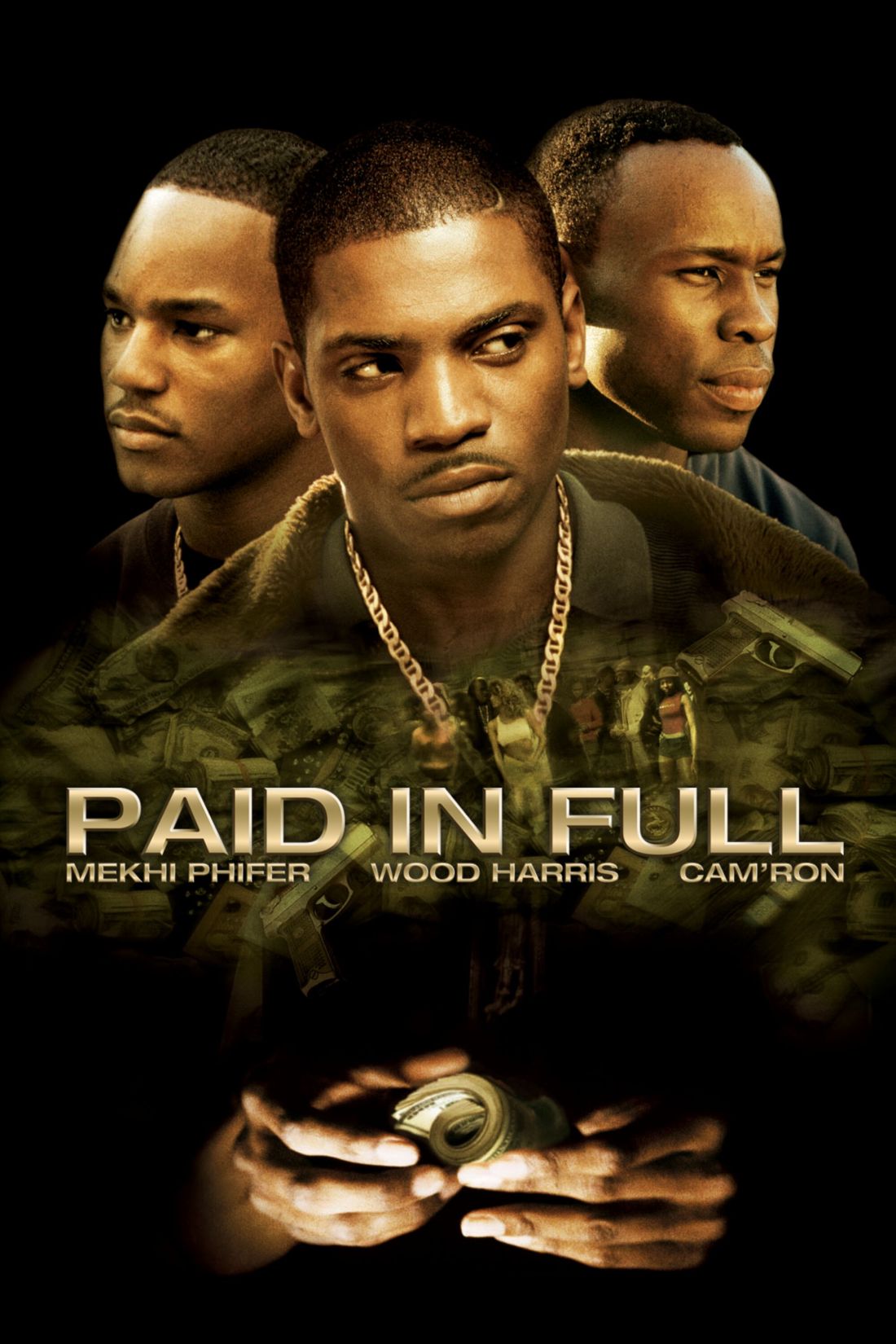
New Jack City, Menace II Society, Paid in Full, and The Wire were more than just entertainment; they were mirrors reflecting the harsh realities of urban life. These narratives showcased the allure of fast money and power but also laid bare the devastating consequences that accompanied such pursuits. Characters like Nino Brown, O-Dog, and Avon Barksdale were crafted not as heroes to be emulated but as cautionary figures, embodying the perils of the drug trade and street life. Over time, a shift occurred in the cultural perception of these characters. Instead of heeding the warnings embedded in their stories, many began to idolize these figures, focusing on their charisma and apparent success while overlooking their downfalls. The glorification of these narratives often celebrates the superficial aspects of these characters, neglecting the profound lessons their stories were meant to impart.