
Washington extended special education eligibility so students can now receive services through the end of the school year in which they turn 22. That extra year is not a formality. It is a second chance to get transition right. If we treat it like storage, nothing changes. If we treat it like launch, we can use this time to build real adult lives, with real community connections, for students who have been surviving school instead of benefiting from it.
Tag: IEP
Turning Stories Into Proof: How To Make Narrative Count As Data In Schools

Narrative is not the soft side of education. It is evidence. It is the living pulse inside the data we claim to honor. When a student finally asks a peer for help, when a family sees independence taking root at home, when a young person takes a step forward that no scoreboard will ever measure, those moments are the data. The job is not to shrink stories to fit spreadsheets. The job is to structure the story so clearly, so precisely, so truthfully, that no one can deny its weight. Story becomes measurement. Observation becomes evidence. Growth becomes visible.
Mentors Built Me, Now We Build Pathways

College and career go together. Use IEP transition planning to combine dual credit, Career and Technical Education, apprenticeships, paid work, and industry certifications. Add mentors from Black owned and community owned businesses, and from real workplaces like professional kitchens. Track completion rates, paid hours, and supervisor feedback with work based learning logs, then organize artifacts with a student Portfolio Checklist.
Community Partners Are Multipliers

Partnerships work best when they are local, accountable, and organized. Build a partner database that centers Black-owned and community-owned businesses, secures MOUs and DSAs that comply with FERPA, matches students by IEP supports and interests, tracks paid hours and outcomes, and publishes a quarterly dashboard. System beats heroics.
Differentiation Without Watering Down

Differentiation should lift students to grade level learning, not lower the bar. Keep grade level texts on the table, add accommodations and scaffolds to open access, and monitor progress so supports fade as independence grows.
Family Partnership Is a Cadence
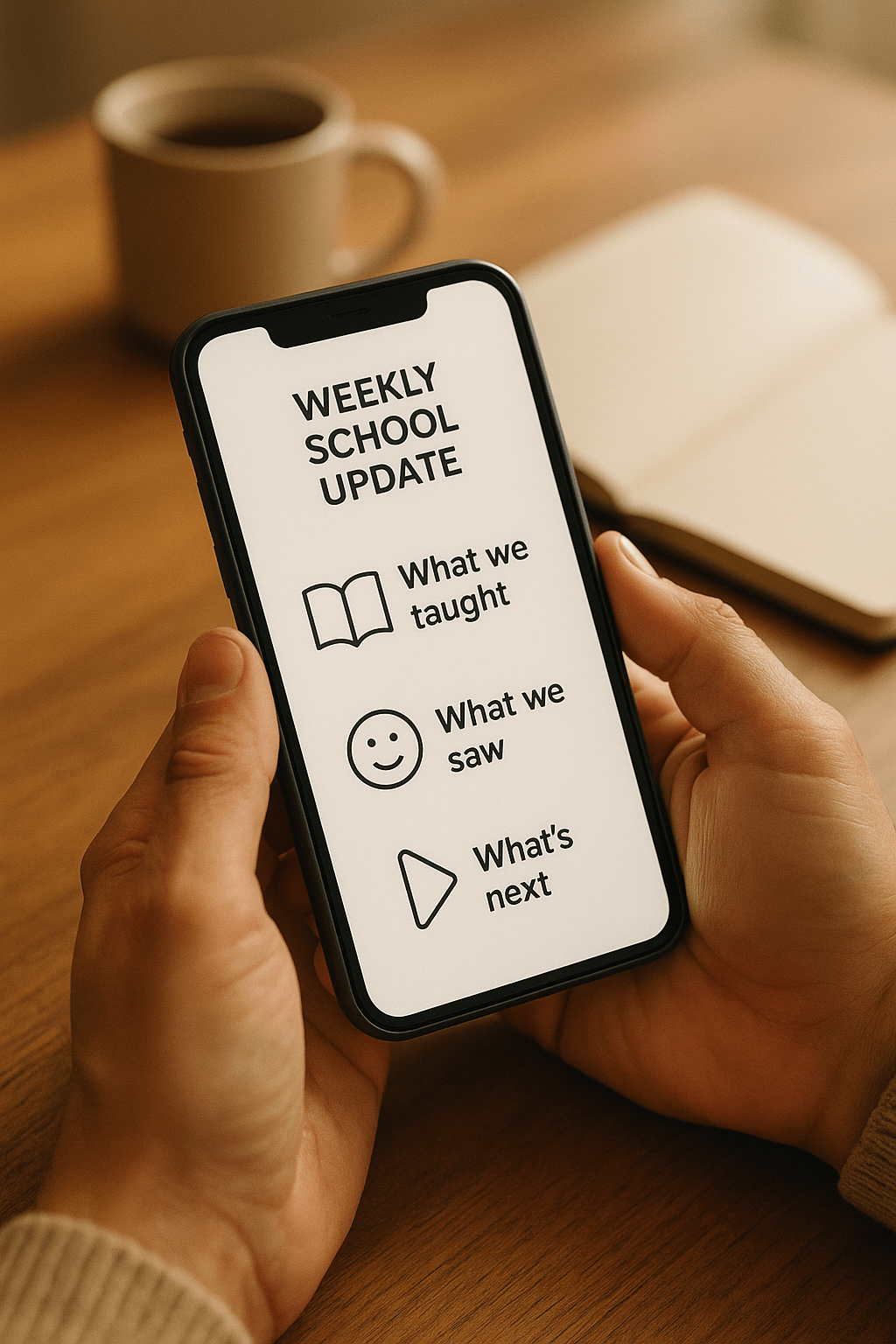
Family partnership is a steady rhythm, not a single meeting. Share a weekly, plain language update that explains what was taught, what you observed, and what comes next. Add one clear way families can help, then repeat it every week.
Transition Means Jobs, Not Just Paperwork

Transition services should produce paychecks and references. Track paid hours, job shadows, interviews, and supervisor feedback. Build a résumé before graduation and connect students with vocational rehabilitation so work continues after high school.
When the Safety Net Frays: What Federal Layoffs Mean for Special Education
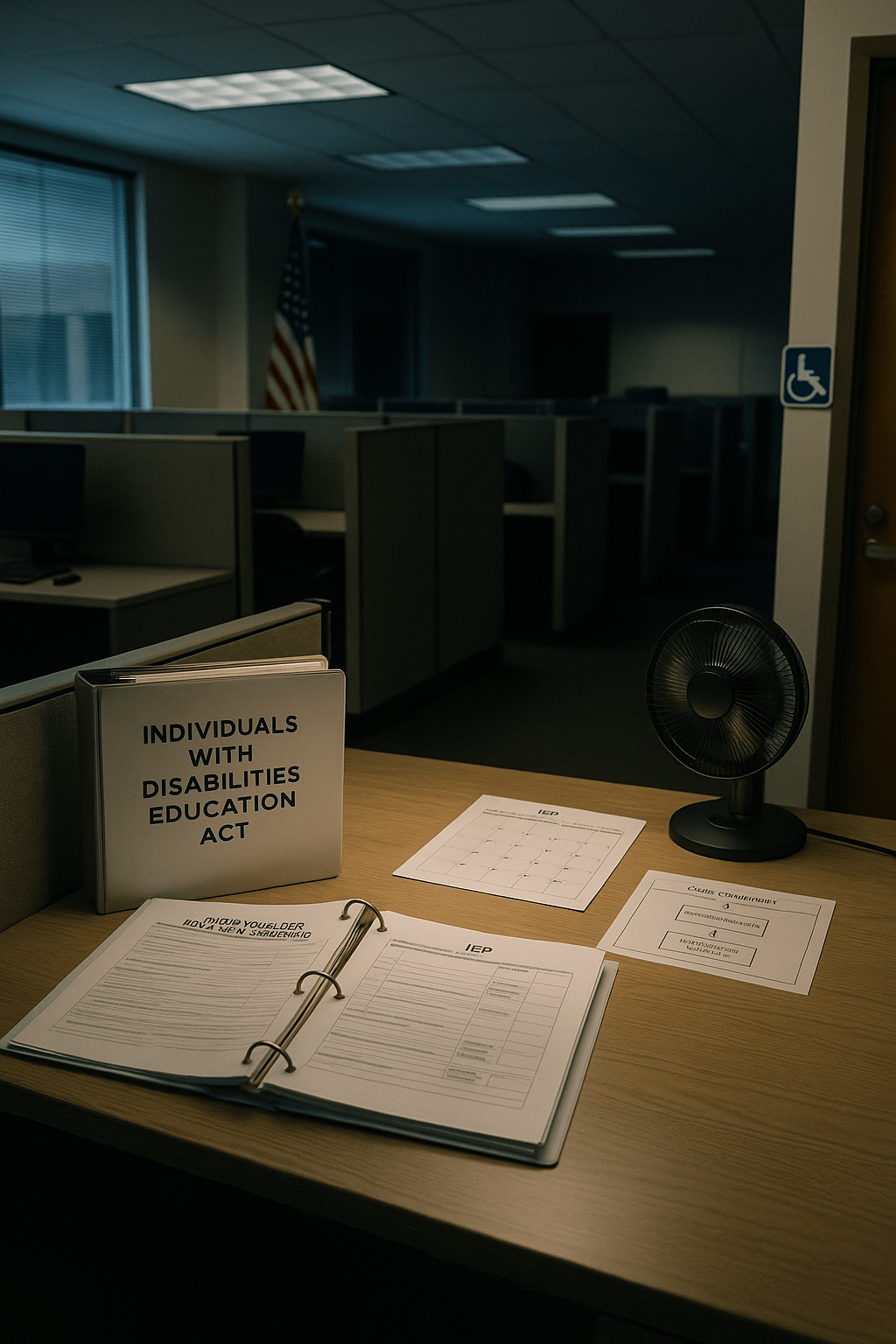
The U.S. Department of Education has begun laying off 466 employees during the federal shutdown, which is about one fifth of the agency’s remaining staff. Several offices that protect civil rights and support students with disabilities are among the hardest hit. Reports indicate that the Office of Special Education Programs is dropping from about 200 … Continue reading When the Safety Net Frays: What Federal Layoffs Mean for Special Education
If It Is Not Written, It Did Not Happen

If it is not written, it did not happen. Set a clean baseline for every IEP, build a five-day documentation rhythm, and use clear definitions that honor students. Clean data exposes gaps and drives better service.
Rewriting the Narrative: Changing the Language of Special Education
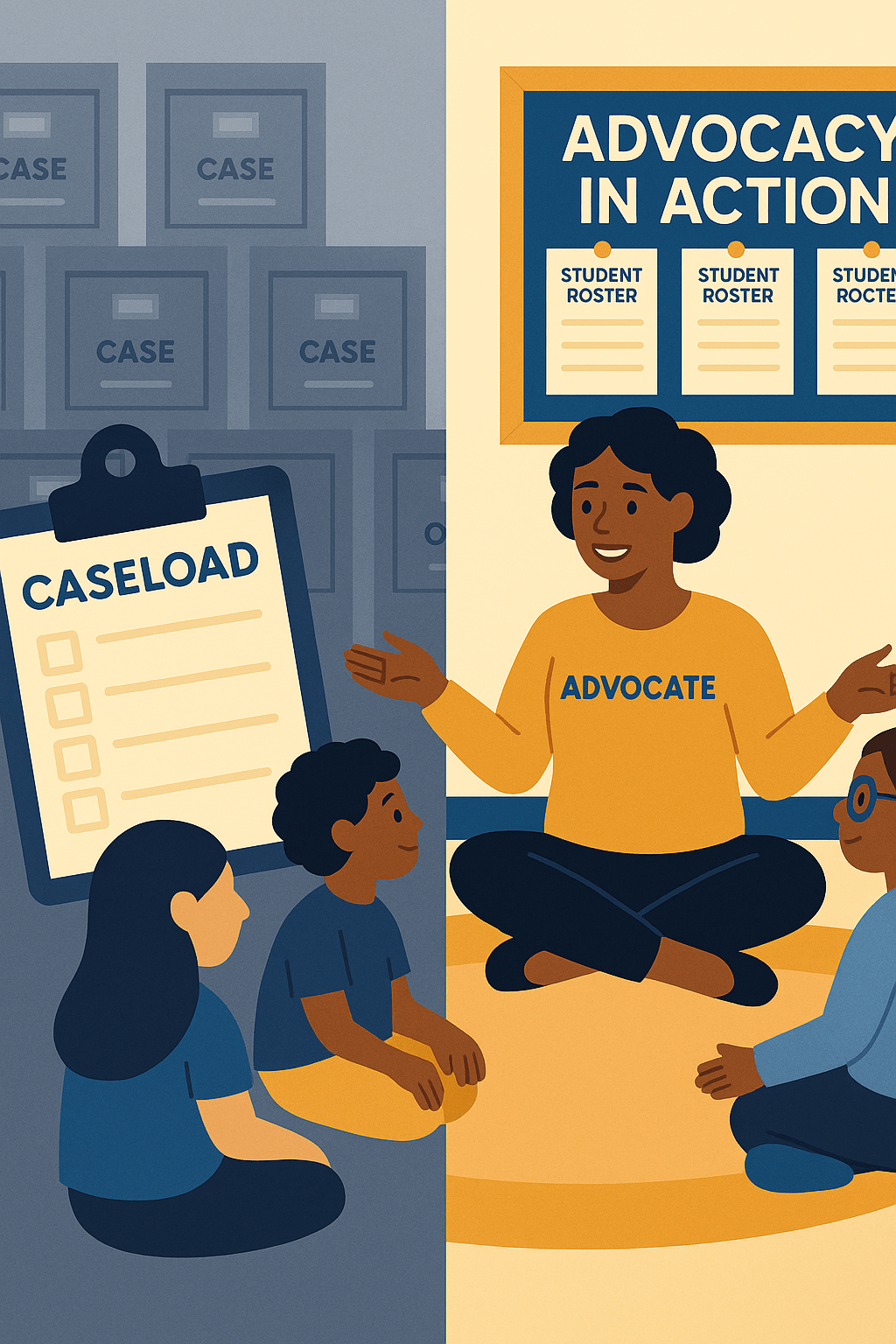
Language in Special Education is not neutral. Terms like “case manager” and “caseload” mirror the criminal justice system, not a learning community. This is a clear connection between SPED and carceral culture. I choose Advocate and Student Roster, because our students are people, not files. Change the language, change the culture.
 Thoughts Processed