Why IDEA Must Stay in the U.S. Department of Education, and Why 850+ Organizations Just Drew the Line
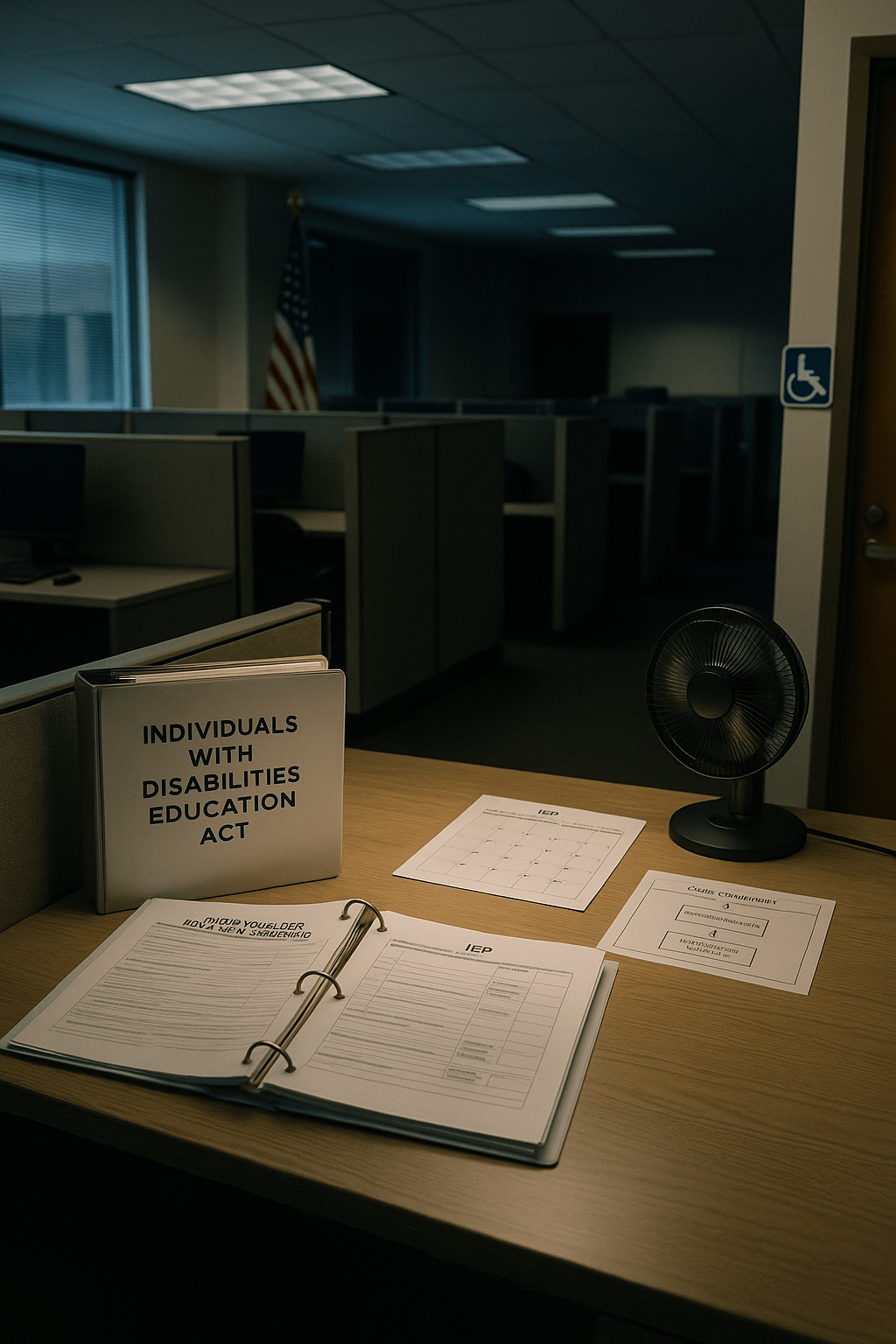
More than 850 organizations across the United States have issued a unified call to keep IDEA oversight within the U.S. Department of Education. Their message is clear: moving IDEA to another agency risks eroding protections, weakening accountability, and disrupting services for millions of students with disabilities. IDEA is a federal civil rights law, not a discretionary program, and it requires consistent, centralized oversight to ensure equity, guard against fragmentation, and stop the continued funneling of marginalized students into under resourced special education systems.

From “Wait To Fail” To “Teach First”: Why Washington’s SLD Shift Matters For Our Kids

Washington is finally moving away from a model that labeled children off a test score gap and toward one that asks a simple question first: how were they taught. For students who were pushed into Special Education because of discipline, bias, or adult frustration, this shift is a chance to stop hiding harm inside an SLD label and start telling the truth with instructional data. Thoughts Cost has been calling for this since Covid, when it became obvious that you cannot call it a disability if a student never had a real shot at learning.

Extending Special Education To 22: Time, Dignity, And The Work We Choose To Do With Both

Washington extended special education eligibility so students can now receive services through the end of the school year in which they turn 22. That extra year is not a formality. It is a second chance to get transition right. If we treat it like storage, nothing changes. If we treat it like launch, we can use this time to build real adult lives, with real community connections, for students who have been surviving school instead of benefiting from it.

Fixed For Who

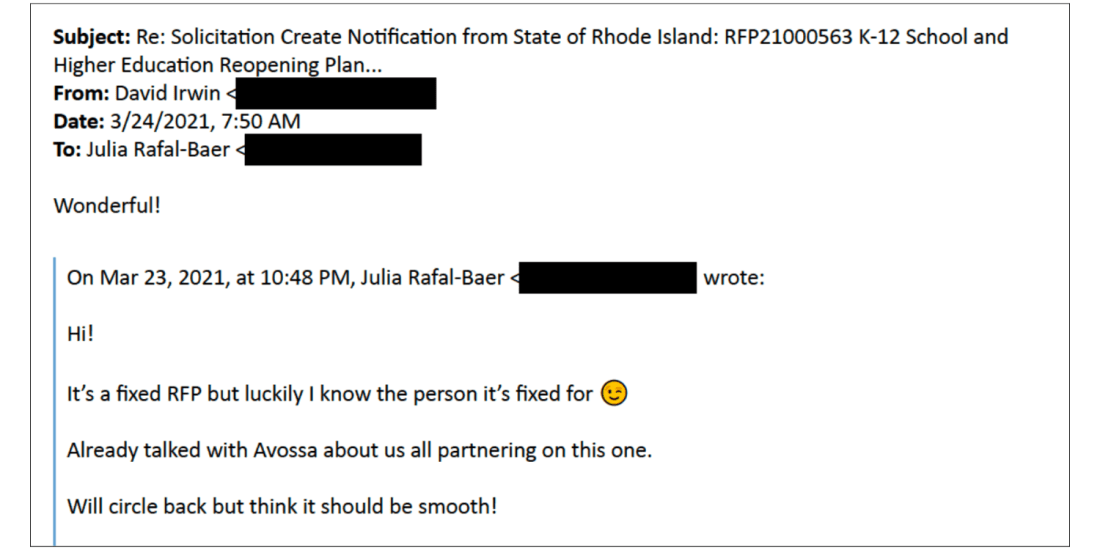
An email exchange revealing concerns about a potentially manipulated Request for Proposal (RFP) process in Rhode Island's education sector. Gatekeeping, "Statewide" Work, and Black Kids in Washington Somebody in Rhode Island hit send on an email that most people in education politics only say out loud behind closed doors. "It's a fixed RFP, but luckily … Continue reading Fixed For Who

Tracking Gen-Ed Minutes as Inclusion Proof: Who We Believe Our Children Are

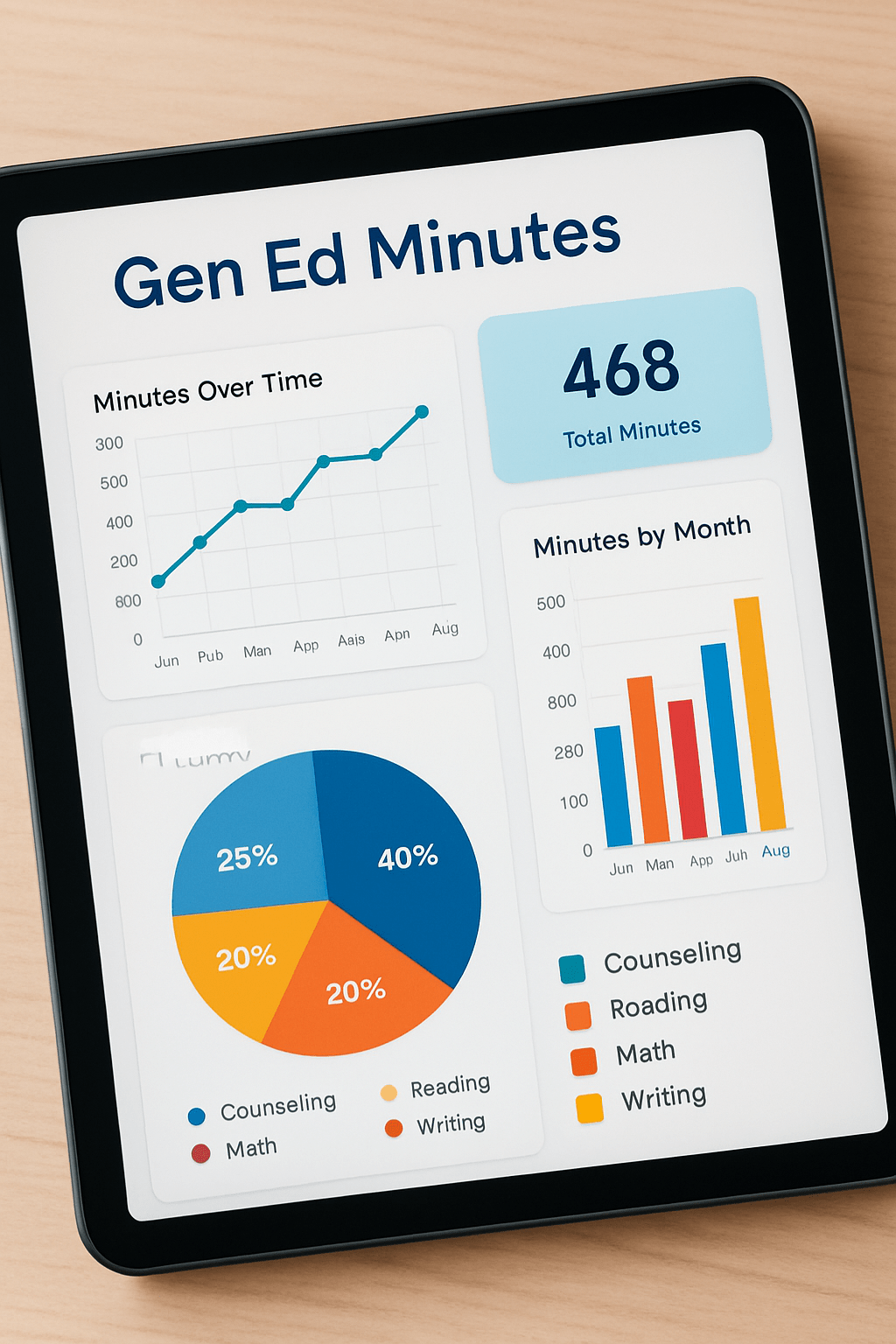
In every school building, there is a quiet arithmetic that tells the truth long before any mission statement does. It is not the language on the walls, not the slogans about excellence or equity. It is the simple count of where a child spends their minutes. Those minutes do not lie. They testify. For students with IEPs, general education minutes are not a small technical detail in a long document. They are a declaration of belief. They reveal whether a system sees a child as a full member of the learning community or as a visitor, escorted in and out of spaces where other children are presumed to belong by default. If we claim to believe in equity, then we must count the minutes where that equity is either practiced or denied. The minutes tell the story. Tracking them is how we decide to stop lying to ourselves about who our schools are truly built for.

When the Safety Net Frays: What Federal Layoffs Mean for Special Education

The U.S. Department of Education has begun laying off 466 employees during the federal shutdown, which is about one fifth of the agency’s remaining staff. Several offices that protect civil rights and support students with disabilities are among the hardest hit. Reports indicate that the Office of Special Education Programs is dropping from about 200 … Continue reading When the Safety Net Frays: What Federal Layoffs Mean for Special Education

The Unseen Weight: Black Women, DEI, and the Quiet Call for Recognition

Black women, DEI backlash, Diversity Equity and Inclusion, Black excellence, Black women in education, Black women in leadership, systemic racism, affirmative action, white women and DEI, labor history, Black success, racial discrimination, Kamala Harris, merit vs. DEI, Black women in the workforce, educational attainment, media bias, Black resilience, historical labor trends, corporate diversity, Black professionals

Four Years of Thoughts Cost: A Journey from One Student to Statewide Impact

Tomorrow marks four years since Thoughts Cost began with one student and a mission to create meaningful change during the uncertainty of the pandemic. From humble beginnings with no plan or income, we have grown into a movement that builds programs, develops EdTech tools, and secures state-level contracts to empower students, families, and educators. This journey has been defined by resilience, creativity, and a commitment to equity and inclusion.