Reimbursement-only grants force community organizations to front public service costs for 45 to 120 days, shifting risk downward and filtering out the groups closest to the work. This is a structural equity failure, not an administrative hiccup. Here’s what better funding looks like, and what policymakers can do now.
Tag: news
Why IEP Data Transfers Keep Failing and How to Fix Them Without Buying Another Platform
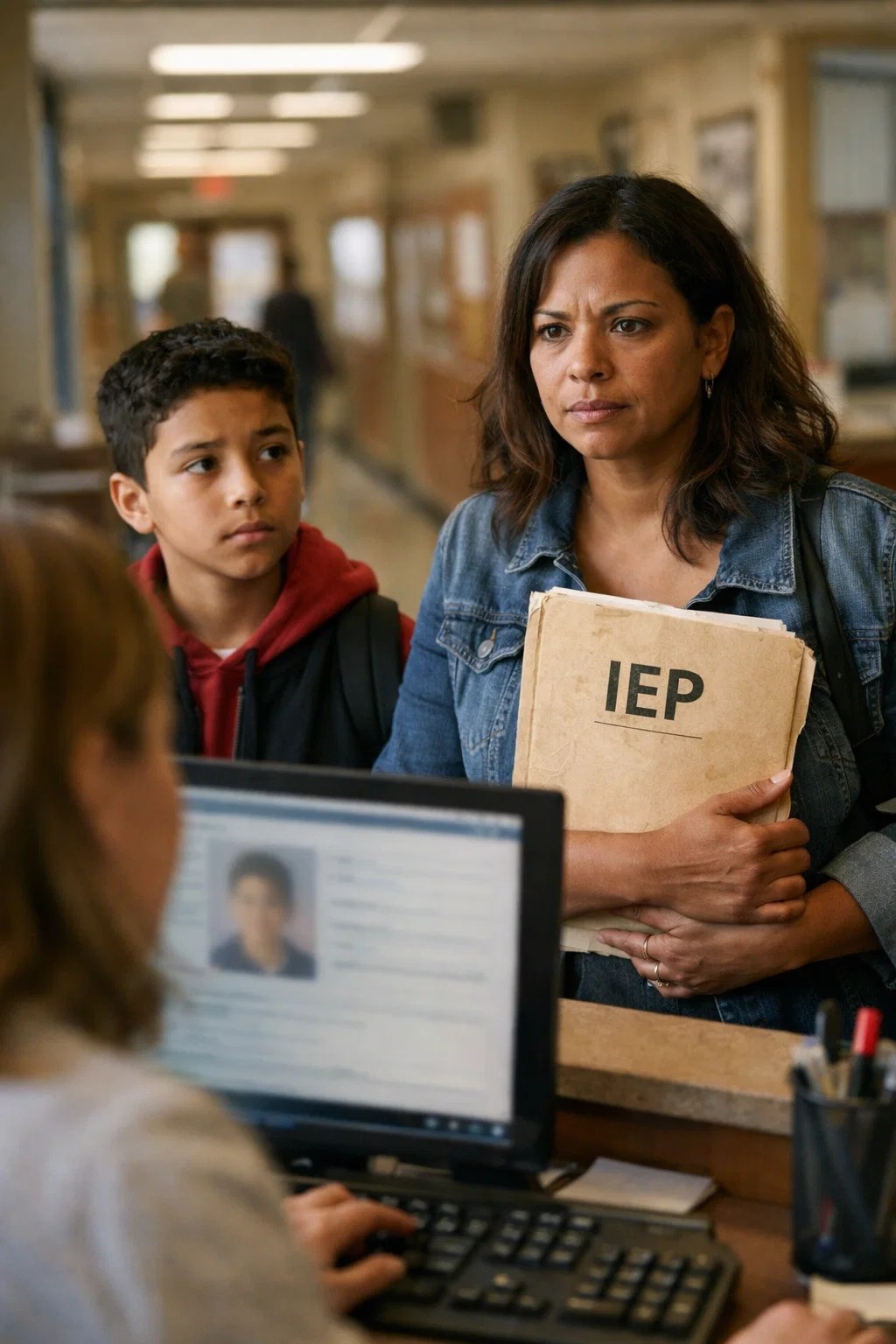
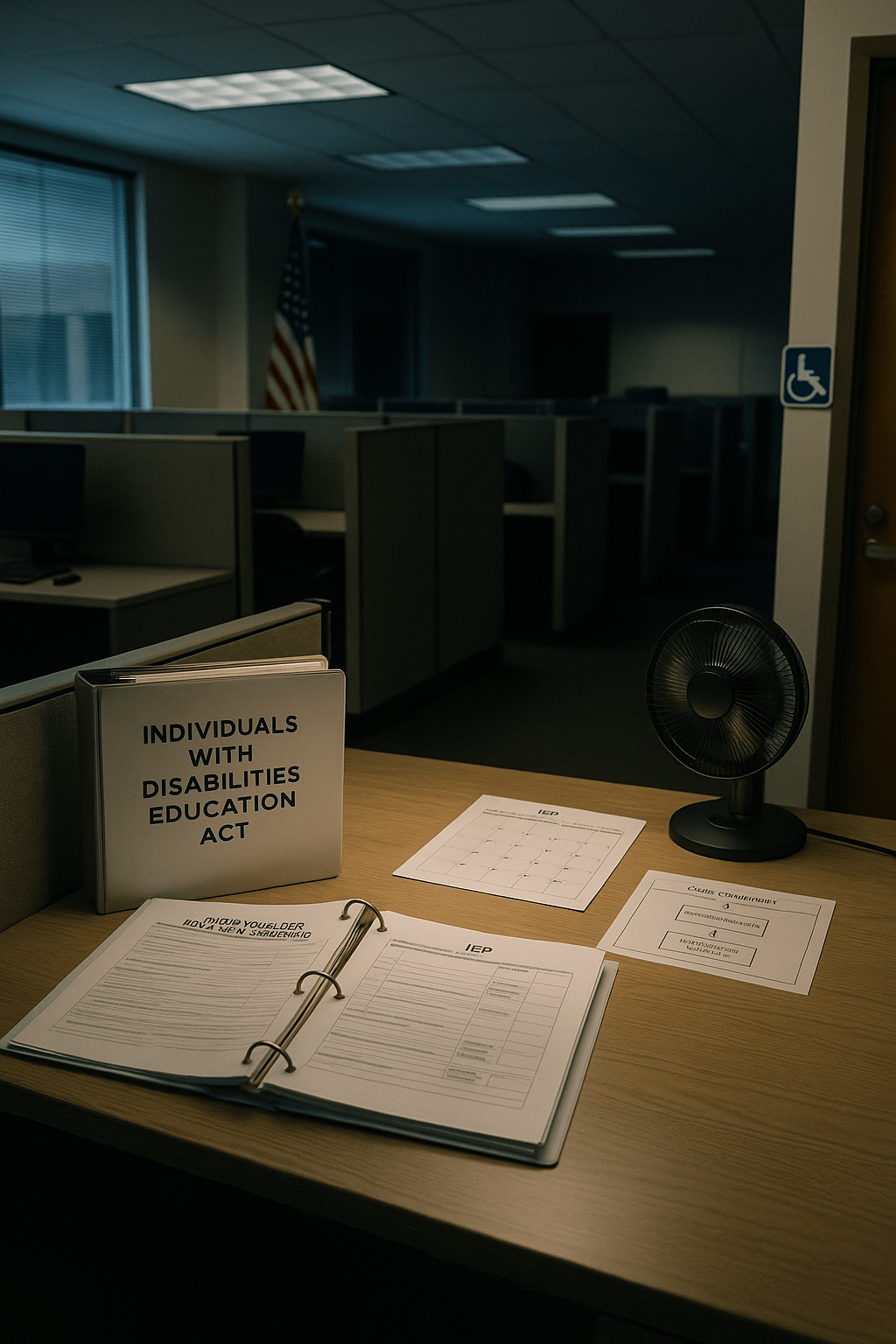
IEP data transfers rarely fail because the “API broke.” They fail because identity breaks first. When a transferring student lands in the receiving district’s systems, the question is simple, is this the same student or a different one? If the answer is uncertain, the database does what databases do, it creates a new record. That single moment creates a chain reaction, duplicated minutes, missing accommodations, transportation errors, Medicaid billing rejections, and compliance timelines built on incomplete context. The solution is not another platform. The solution is deciding what your source of truth is, usually the SIS, then implementing a crosswalk that maps the canonical StudentID to every other system’s identifier. Pair that with matching rules that prioritize stable identifiers, automation for high confidence matches, and a review queue for uncertainty. Clean identity is not paperwork, it is protection.

Extending Special Education To 22: Time, Dignity, And The Work We Choose To Do With Both
Washington extended special education eligibility so students can now receive services through the end of the school year in which they turn 22. That extra year is not a formality. It is a second chance to get transition right. If we treat it like storage, nothing changes. If we treat it like launch, we can use this time to build real adult lives, with real community connections, for students who have been surviving school instead of benefiting from it.
When The Ground Shifts Under Our Classrooms
The federal government just moved billions of dollars in education programs out of the Department of Education, framing it as a step toward “returning power to the states.” Behind that language sits a harsher reality. Special education offices have been gutted, key grants are being scattered across unfamiliar agencies, and families are being left to navigate a system that no longer has a clear front door. This moment demands more than outrage. It demands local organizing, documentation, and community based accountability to protect students who have always lived on the margins of the system.
Mentors Built Me, Now We Build Pathways
College and career go together. Use IEP transition planning to combine dual credit, Career and Technical Education, apprenticeships, paid work, and industry certifications. Add mentors from Black owned and community owned businesses, and from real workplaces like professional kitchens. Track completion rates, paid hours, and supervisor feedback with work based learning logs, then organize artifacts with a student Portfolio Checklist.
When the Safety Net Frays: What Federal Layoffs Mean for Special Education
The U.S. Department of Education has begun laying off 466 employees during the federal shutdown, which is about one fifth of the agency’s remaining staff. Several offices that protect civil rights and support students with disabilities are among the hardest hit. Reports indicate that the Office of Special Education Programs is dropping from about 200 … Continue reading When the Safety Net Frays: What Federal Layoffs Mean for Special Education
Why I Do Not Support the West Coast Health Alliance Split From the CDC
I do not support stepping away from CDC guidance. Regional rulebooks create confusion for families and clinicians, jeopardize insurance coverage that follows ACIP, strain pharmacies and EHR systems, and deepen polarization. Use the alliance to translate and advocate, secure state coverage tied to ACIP, and push to restore independent national standards so science travels with people across state lines.
Meeting the Moment: How Thoughts Cost Can Help Washington Districts Solve Special Education and Inclusion Gaps
Washington school districts are navigating deep special education funding gaps, staffing shortages, and the complex transition to more inclusive practices. From Seattle to Spokane, districts are reimagining services and calling for state support, yet they also need practical tools that ease workloads and strengthen family partnerships. Thought Cost offers co-planning supports, progress monitoring, and bilingual-ready communication systems to help districts deliver on equity and inclusion, student by student.
Iran, Israel, and Nuclear Hypocrisy: The Truth Behind Global Power Games
Explore how US foreign policy, led by figures like Hillary Clinton, fuels double standards in nuclear diplomacy. Why is Israel allowed nuclear weapons while Iran is villainized for seeking defense?
The Desperation of a Declining Empire
This is a turning point for Black people across the African Diaspora. As Western power declines and African nations reclaim their sovereignty, new pathways are opening. These are the very paths our ancestors dreamed of and our elders fought to keep alive. The visions of Marcus Garvey, Malcolm X, Kwame Nkrumah, and Muammar Gaddafi were never rooted in acceptance by empires built on our suffering. They were rooted in global Black unity, shared wealth, and self-determination. Africa is rising. So must we. The fall of neocolonial influence on the continent is not just a shift in politics. It is an invitation to reconnect, to invest, to rebuild. Black communities around the world have the chance to form direct relationships with the African continent, free from Western gatekeepers. We are not destined to live on the margins of systems designed to exploit us. We are heirs to a global legacy and capable of shaping the next chapter of history. This is more than a political moment. It is a generational opportunity. The question is not whether we belong in the future. The question is whether we are ready to lead it.