

Arch Manning may become a very good player, he is not a generational talent today. Coverage gives him patience that Black quarterbacks rarely receive for similar performances. The same mistakes are framed as growth for him and as limits for them. Hold every quarterback to the same standard, judge by production not pedigree.
Tag: nfl-draft
Power, Ego, and the Cost of Control: The Micah Parsons Trade and Jerry Jones’ Cowboys
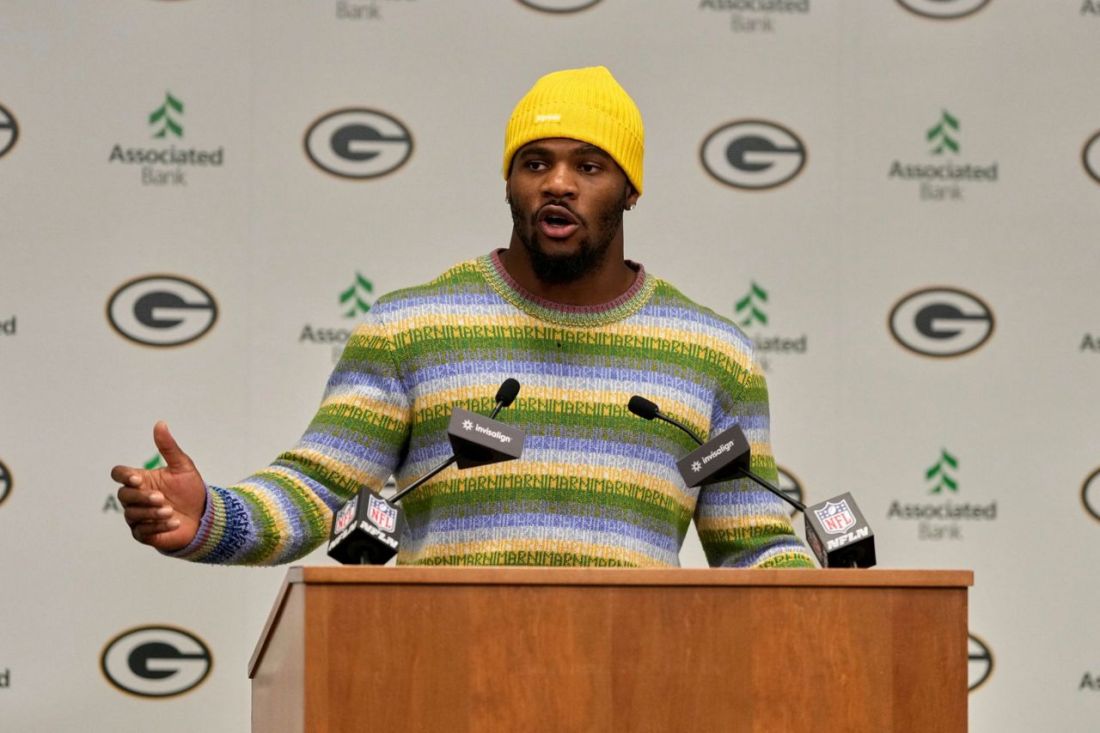
Micah Parsons’ exit from Dallas reads less like cap math and more like a power story. This piece examines how control, representation, and ego shaped the Cowboys’ decision, considers the Green Bay fit, and situates the moment within the broader history of Black labor, ownership culture, and athlete autonomy in American sport.
Jason Whitlock’s Argument is Built on Historical Amnesia
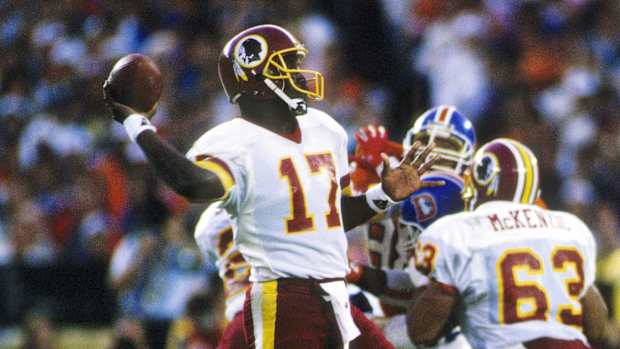
Jason Whitlock dismisses the significance of Black quarterbacks winning Super Bowls, claiming the struggle is over because they align with the Black population percentage. This ignores decades of exclusion, position-switching, and denied opportunities. Warren Moon had to prove himself in Canada before the NFL gave him a chance. Doug Williams broke barriers by winning a Super Bowl. Eldridge Dickey, the first Black quarterback drafted in the first round, was never allowed to play his natural position. History matters until Black quarterbacks are no longer asked to change positions or have their intelligence questioned differently. The league must acknowledge the past rather than erase it. Jaylen Hurts winning a Super Bowl is progress. If celebrating Black excellence makes Whitlock uncomfortable, that is his burden to bear.
 Thoughts Processed