Washington is finally moving away from a model that labeled children off a test score gap and toward one that asks a simple question first: how were they taught. For students who were pushed into Special Education because of discipline, bias, or adult frustration, this shift is a chance to stop hiding harm inside an SLD label and start telling the truth with instructional data. Thoughts Cost has been calling for this since Covid, when it became obvious that you cannot call it a disability if a student never had a real shot at learning.
Tag: progress monitoring
Differentiation Without Watering Down
Differentiation should lift students to grade level learning, not lower the bar. Keep grade level texts on the table, add accommodations and scaffolds to open access, and monitor progress so supports fade as independence grows.
Make IEP Meetings Strategic
An Individualized Education Program meeting should run like a strategy session. Share the agenda early, review data together, write plain language goals, and leave with a 30 day plan that names actions, owners, and dates. Families walk out knowing exactly what happens next.
Family Partnership Is a Cadence
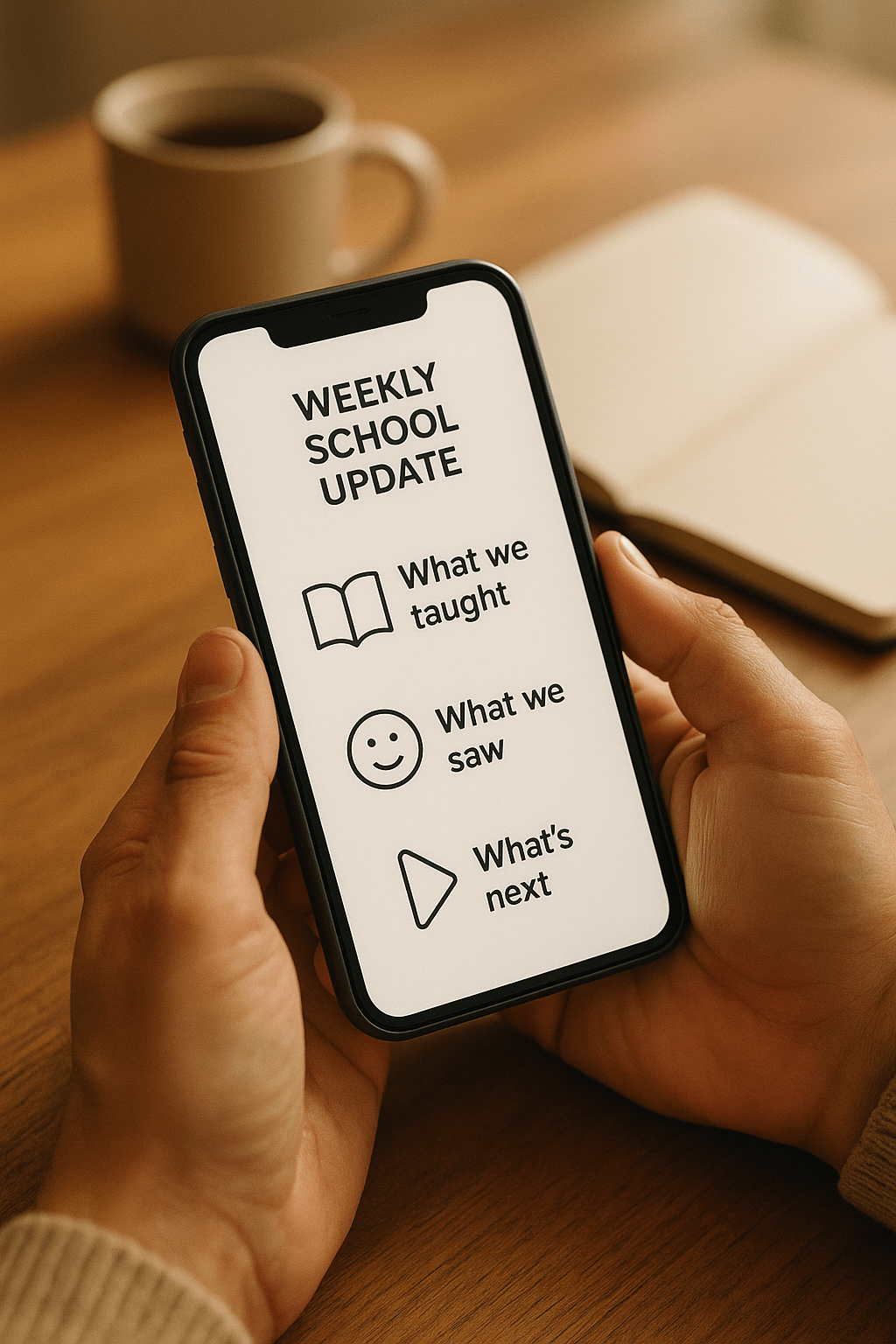
Family partnership is a steady rhythm, not a single meeting. Share a weekly, plain language update that explains what was taught, what you observed, and what comes next. Add one clear way families can help, then repeat it every week.
If It Is Not Written, It Did Not Happen
If it is not written, it did not happen. Set a clean baseline for every IEP, build a five-day documentation rhythm, and use clear definitions that honor students. Clean data exposes gaps and drives better service.
Inclusion That Works in Washington | Classroom-Ready Moves | Thoughts Cost
Practical inclusion for Washington classrooms. Three routines you can run this month, no new curriculum required.