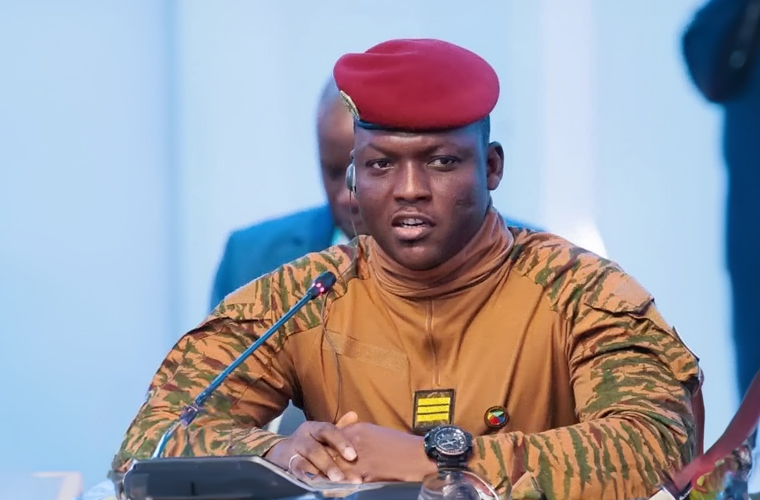
This is a turning point for Black people across the African Diaspora. As Western power declines and African nations reclaim their sovereignty, new pathways are opening. These are the very paths our ancestors dreamed of and our elders fought to keep alive. The visions of Marcus Garvey, Malcolm X, Kwame Nkrumah, and Muammar Gaddafi were never rooted in acceptance by empires built on our suffering. They were rooted in global Black unity, shared wealth, and self-determination. Africa is rising. So must we. The fall of neocolonial influence on the continent is not just a shift in politics. It is an invitation to reconnect, to invest, to rebuild. Black communities around the world have the chance to form direct relationships with the African continent, free from Western gatekeepers. We are not destined to live on the margins of systems designed to exploit us. We are heirs to a global legacy and capable of shaping the next chapter of history. This is more than a political moment. It is a generational opportunity. The question is not whether we belong in the future. The question is whether we are ready to lead it.
Tag: self-determination
The Uniqueness of Black Capitalism: A Letter from the Margins
Black capitalism is unique because it has had no choice but to be. It has been defined by its need to function in opposition, to build wealth that does not exploit but sustains, to find ways to exist in a system that has sought to erase it. This is not an argument for blind faith in capitalism. It is not a dismissal of the way capitalism has harmed Black people. It is a recognition that Black economic strategies have always been different. They have never been about conquest. They have been about survival. If the word capitalism carries too much weight, if it conjures images of greed and destruction, then call it something else. Call it what it has always been: resistance. Call it what it has always meant: survival. Call it what it has always sought to build: a future that cannot be stolen.
Economic Empowerment for the Black Community: Lessons from H Mart and Uwajimaya
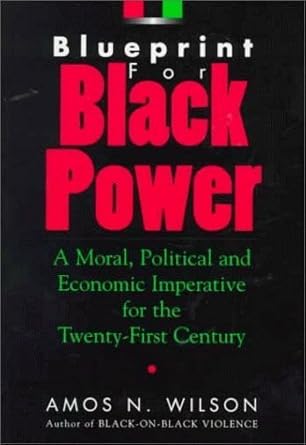
The Black community can gain economic empowerment by building grocery chains similar to H Mart and Uwajimaya, which have successfully combined business with cultural preservation. Drawing on Dr. Amos Wilson’s ideas from Blueprint for Black Power, we must take control of industries that serve our communities and keep wealth circulating within them. This could lead to greater economic independence, job creation, and a renewed sense of community for Black Americans.