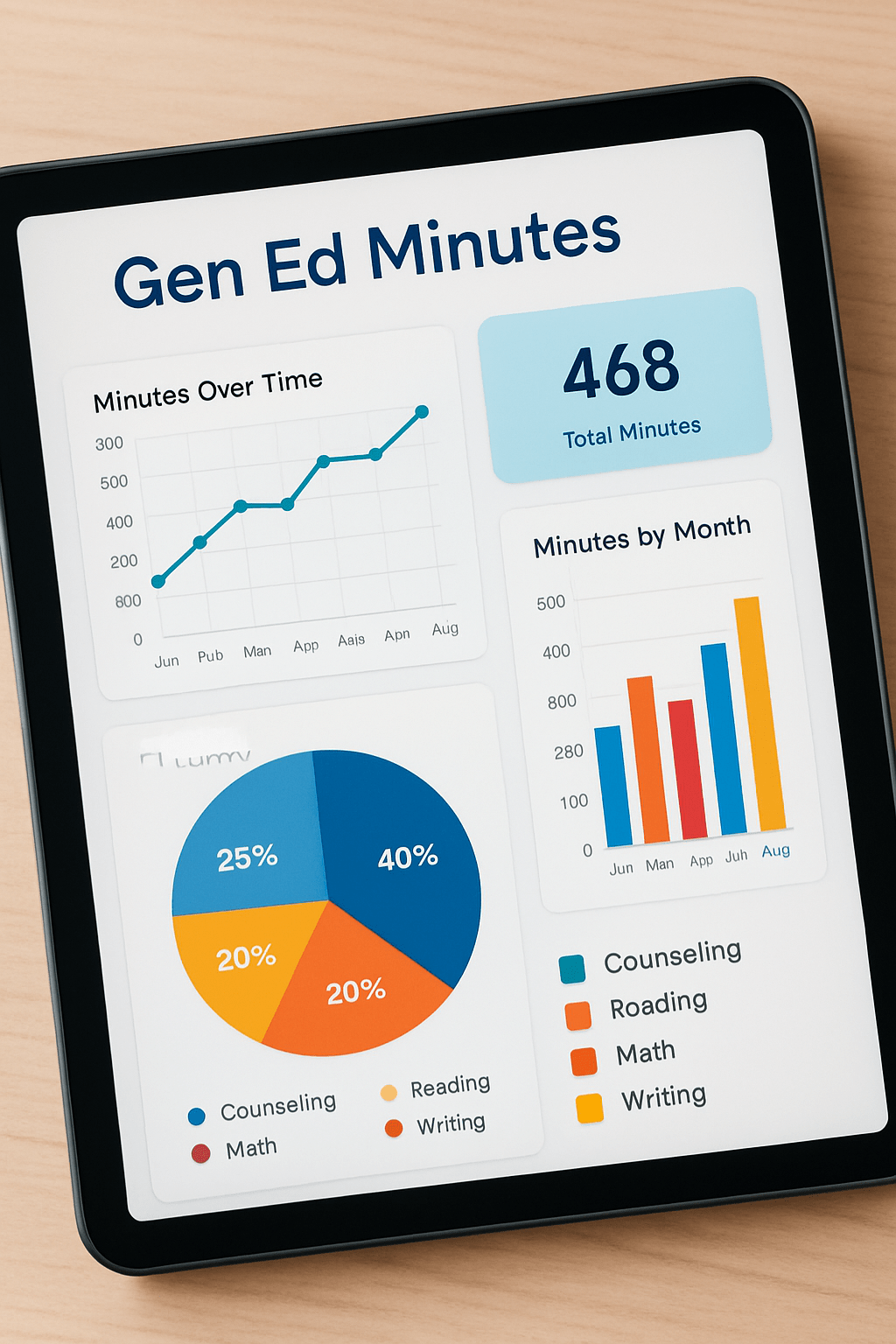
In every school building, there is a quiet arithmetic that tells the truth long before any mission statement does. It is not the language on the walls, not the slogans about excellence or equity. It is the simple count of where a child spends their minutes. Those minutes do not lie. They testify. For students with IEPs, general education minutes are not a small technical detail in a long document. They are a declaration of belief. They reveal whether a system sees a child as a full member of the learning community or as a visitor, escorted in and out of spaces where other children are presumed to belong by default. If we claim to believe in equity, then we must count the minutes where that equity is either practiced or denied. The minutes tell the story. Tracking them is how we decide to stop lying to ourselves about who our schools are truly built for.
Tag: Special Education
Mentors Built Me, Now We Build Pathways
College and career go together. Use IEP transition planning to combine dual credit, Career and Technical Education, apprenticeships, paid work, and industry certifications. Add mentors from Black owned and community owned businesses, and from real workplaces like professional kitchens. Track completion rates, paid hours, and supervisor feedback with work based learning logs, then organize artifacts with a student Portfolio Checklist.
Family Partnership Is a Cadence
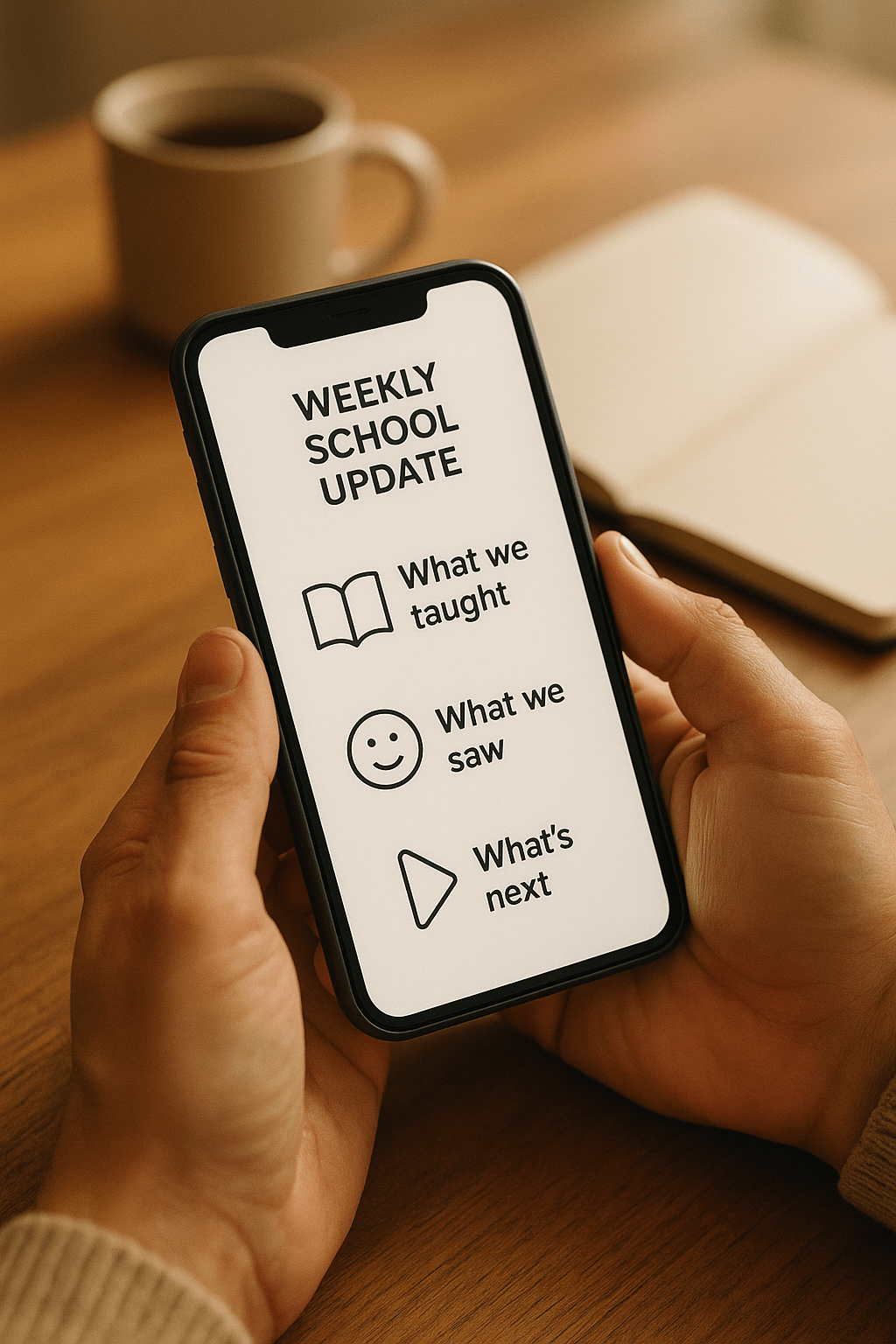
Family partnership is a steady rhythm, not a single meeting. Share a weekly, plain language update that explains what was taught, what you observed, and what comes next. Add one clear way families can help, then repeat it every week.
Transition Means Jobs, Not Just Paperwork
Transition services should produce paychecks and references. Track paid hours, job shadows, interviews, and supervisor feedback. Build a résumé before graduation and connect students with vocational rehabilitation so work continues after high school.
When the Safety Net Frays: What Federal Layoffs Mean for Special Education
The U.S. Department of Education has begun laying off 466 employees during the federal shutdown, which is about one fifth of the agency’s remaining staff. Several offices that protect civil rights and support students with disabilities are among the hardest hit. Reports indicate that the Office of Special Education Programs is dropping from about 200 … Continue reading When the Safety Net Frays: What Federal Layoffs Mean for Special Education
If It Is Not Written, It Did Not Happen
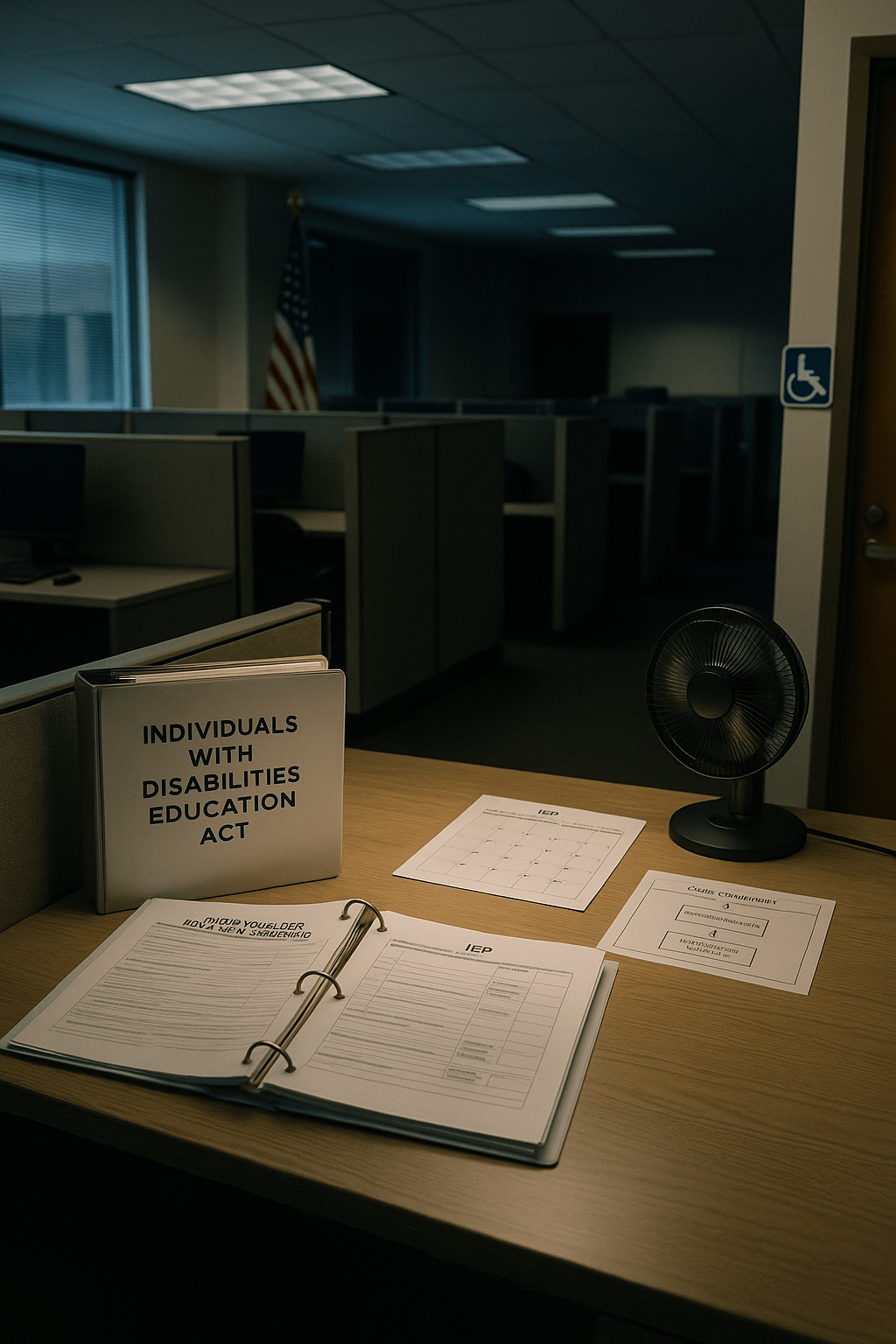
If it is not written, it did not happen. Set a clean baseline for every IEP, build a five-day documentation rhythm, and use clear definitions that honor students. Clean data exposes gaps and drives better service.
Rigor Is Love for Black Students With Disabilities
Rigor is love. Black students with disabilities deserve grade-level instruction, weekly wins, and tutoring that responds to real data. Lowered expectations protect adults. High expectations with support protect futures.
Rewriting the Narrative: Changing the Language of Special Education
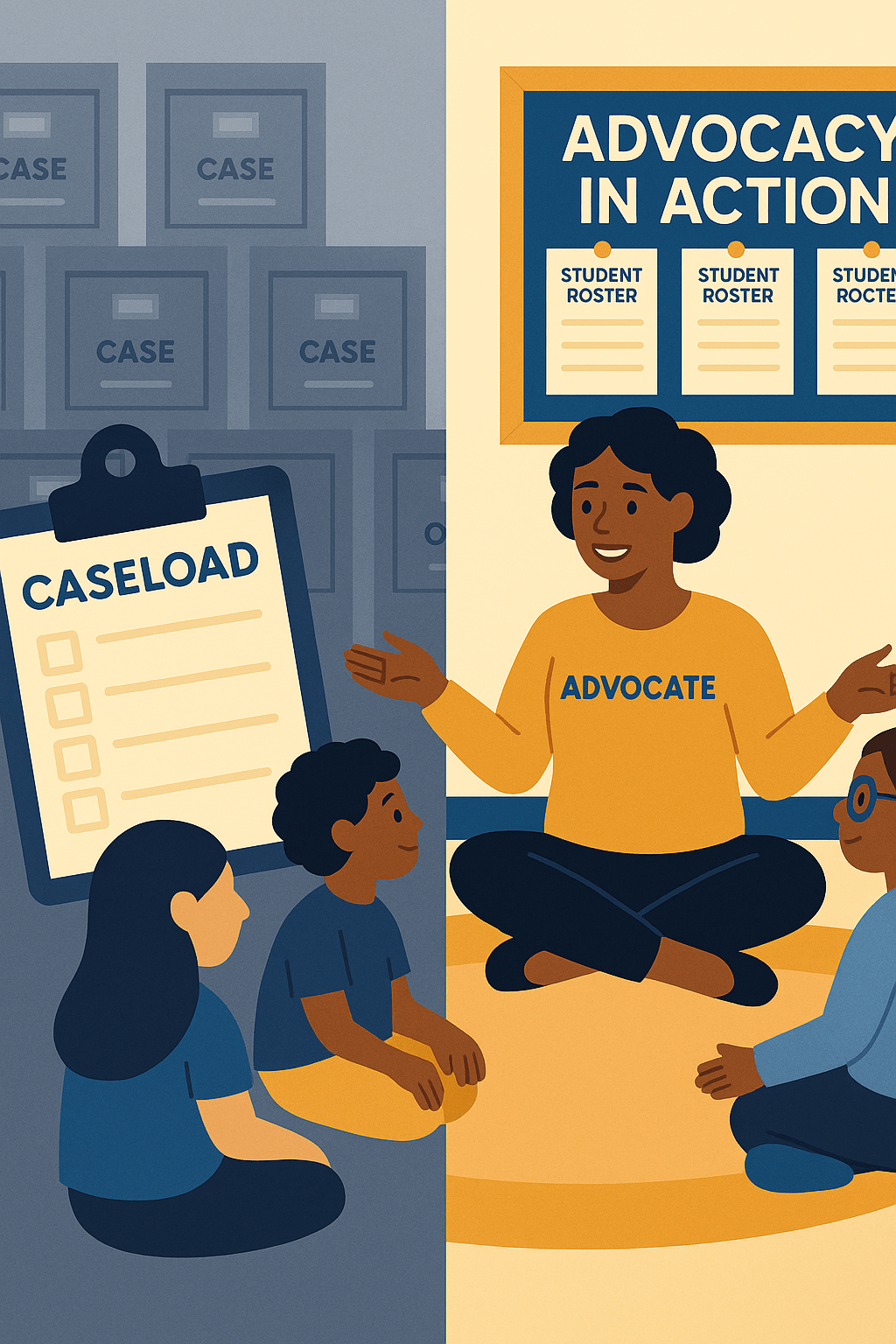
Language in Special Education is not neutral. Terms like “case manager” and “caseload” mirror the criminal justice system, not a learning community. This is a clear connection between SPED and carceral culture. I choose Advocate and Student Roster, because our students are people, not files. Change the language, change the culture.
Should Teachers Allow Students To Use ChatGPT? Yes, With Purpose, Guardrails, And Age-Appropriate Scaffolds
Teachers should allow ChatGPT with purpose and guardrails. Use it for brainstorming, reading support, feedback, and study help, not to produce final drafts. Start with teacher-led demos in K to 2, guided small-group use in grades 3 to 5, limited independent use with checks in grades 6 to 8, and accountable independent use in grades 9 to 12 and college. Keep equity, privacy, and visible thinking at the center.
Meeting the Moment: How Thoughts Cost Can Help Washington Districts Solve Special Education and Inclusion Gaps
Washington school districts are navigating deep special education funding gaps, staffing shortages, and the complex transition to more inclusive practices. From Seattle to Spokane, districts are reimagining services and calling for state support, yet they also need practical tools that ease workloads and strengthen family partnerships. Thought Cost offers co-planning supports, progress monitoring, and bilingual-ready communication systems to help districts deliver on equity and inclusion, student by student.