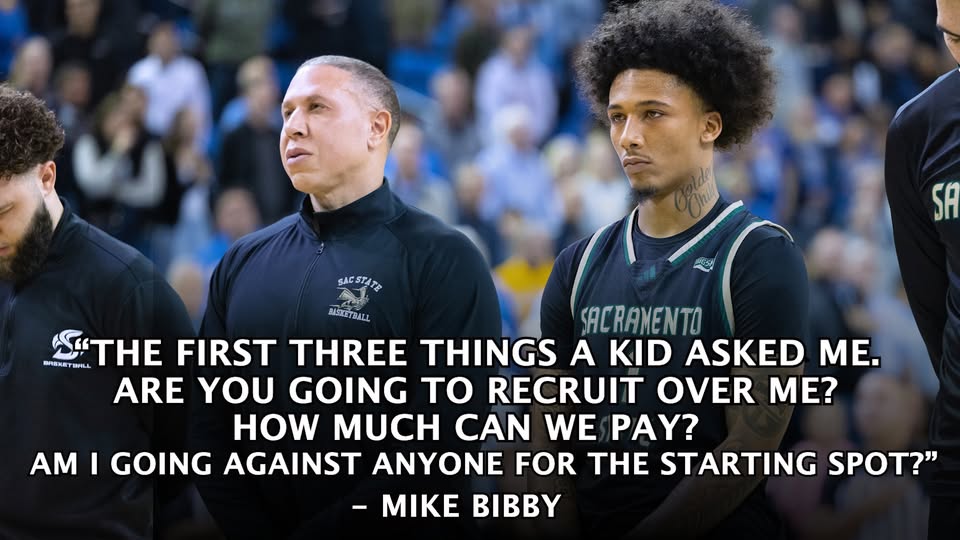
College basketball has always been a business, the difference now is the players finally have leverage. That part is overdue. Still, the money can’t be an excuse to erase the principles the game is built on: compete, earn it, be coachable, be accountable. When the first questions in recruiting are about guarantees instead of development, it signals a shift that’s bigger than NIL, it’s a culture problem. Pay the players, absolutely. Then demand the same thing the sport has always demanded, effort, discipline, and the willingness to be coached.
Tag: Sports
Arch Manning’s Dad Is Not A Quarterback
Arch Manning may become a very good player, he is not a generational talent today. Coverage gives him patience that Black quarterbacks rarely receive for similar performances. The same mistakes are framed as growth for him and as limits for them. Hold every quarterback to the same standard, judge by production not pedigree.
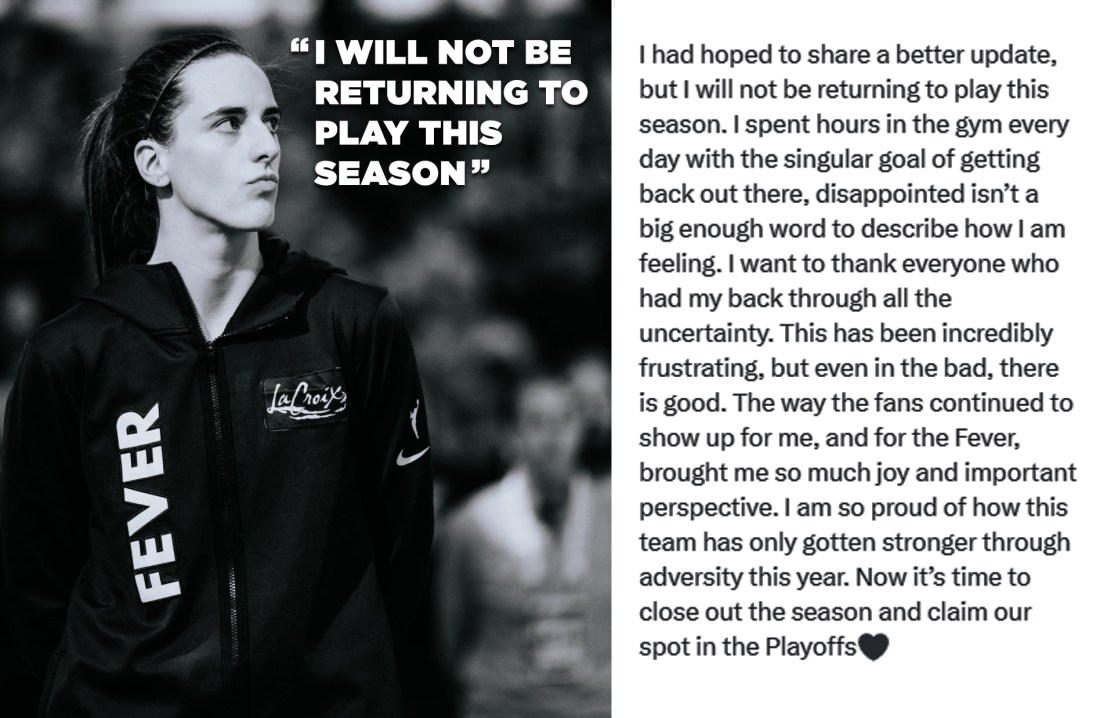
Caitlin Clark Is Done For The Year – Here Is What The Numbers Say
Caitlin Clark’s injury is more than bad luck. It is a business hit during CBA season. National TV audiences drop by about 55 percent when she sits. Fever games average 1.26 million viewers while non-Fever games average 549,000. Ticket prices and attendance swing with her availability. She is not the best player every night, she is the most important player for the league’s growth.
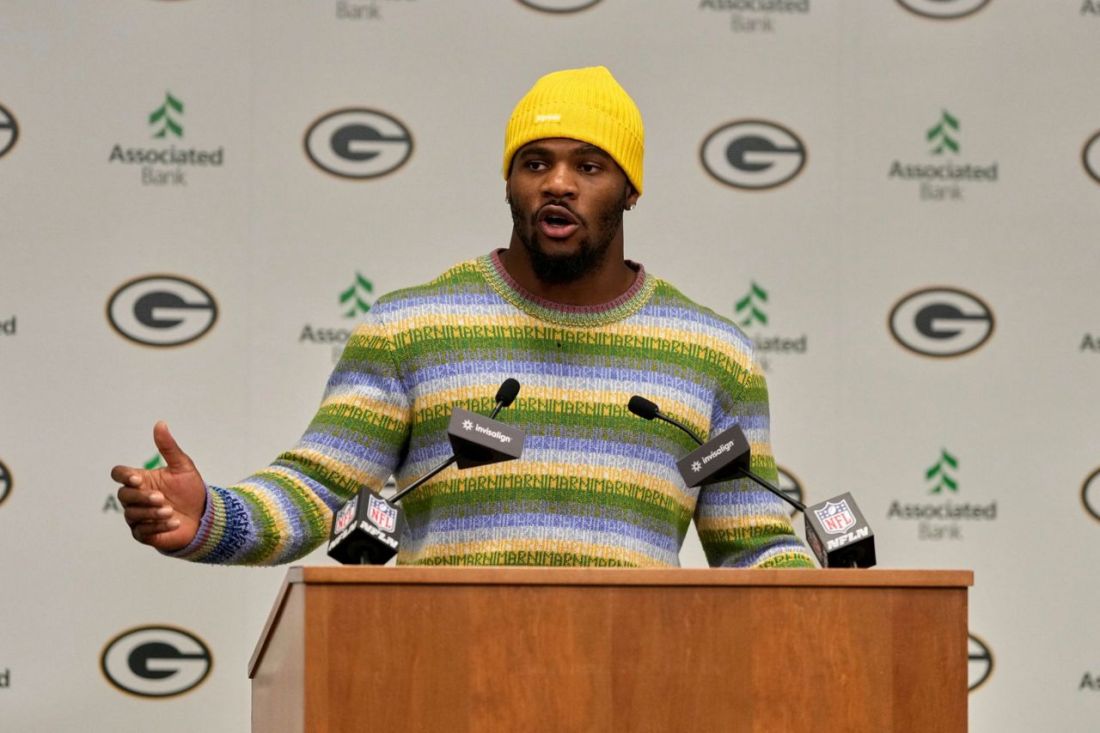
Power, Ego, and the Cost of Control: The Micah Parsons Trade and Jerry Jones’ Cowboys
Micah Parsons’ exit from Dallas reads less like cap math and more like a power story. This piece examines how control, representation, and ego shaped the Cowboys’ decision, considers the Green Bay fit, and situates the moment within the broader history of Black labor, ownership culture, and athlete autonomy in American sport.
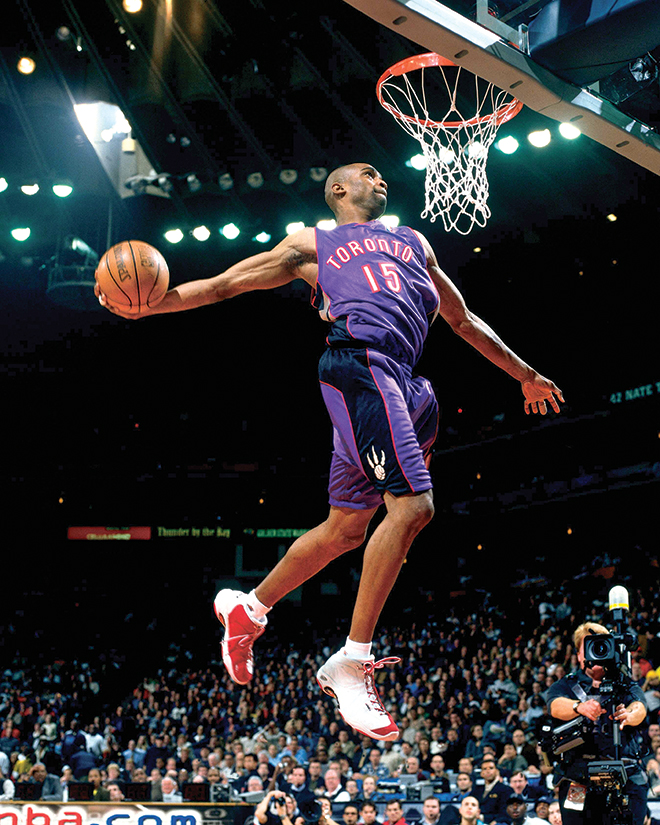
It’s Not About the Type of Dunks, It’s About Who Is Dunking
The Slam Dunk Contest was never just about the types of dunks being performed. It was about who was dunking. The excitement, the energy, and the cultural significance of the contest have always been tied to the players participating. Legends like Julius Erving, Michael Jordan, Vince Carter, and Kobe Bryant helped shape the contest into a spectacle. However, in recent years, superstar participation has declined. The NBA has struggled to uphold its traditions, and the dunk contest has lost its prestige. Restoring its status requires bringing back the league’s biggest names to honor the legacy of the event.
Jason Whitlock’s Argument is Built on Historical Amnesia
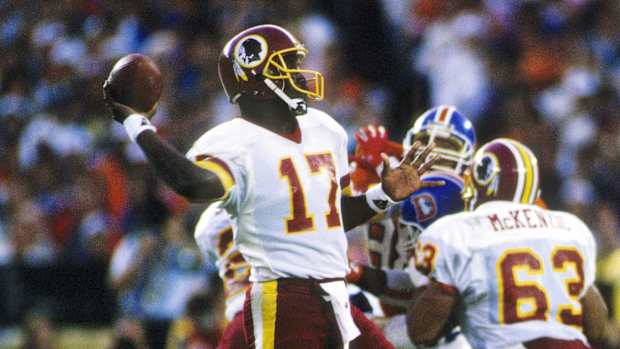
Jason Whitlock dismisses the significance of Black quarterbacks winning Super Bowls, claiming the struggle is over because they align with the Black population percentage. This ignores decades of exclusion, position-switching, and denied opportunities. Warren Moon had to prove himself in Canada before the NFL gave him a chance. Doug Williams broke barriers by winning a Super Bowl. Eldridge Dickey, the first Black quarterback drafted in the first round, was never allowed to play his natural position. History matters until Black quarterbacks are no longer asked to change positions or have their intelligence questioned differently. The league must acknowledge the past rather than erase it. Jaylen Hurts winning a Super Bowl is progress. If celebrating Black excellence makes Whitlock uncomfortable, that is his burden to bear.
We Are Pricing Ourselves Out of Hoops
Coaches helped because they believed in players, not because they saw them as a check. Gyms were open, and kids had real opportunities to develop without paying for exposure. Now, trainers charge hundreds, teams cost thousands, and even getting in the gym has a fee. This is not about saying people should not get paid. It is about asking, who is really benefiting?
The Phenomenon and The Kid
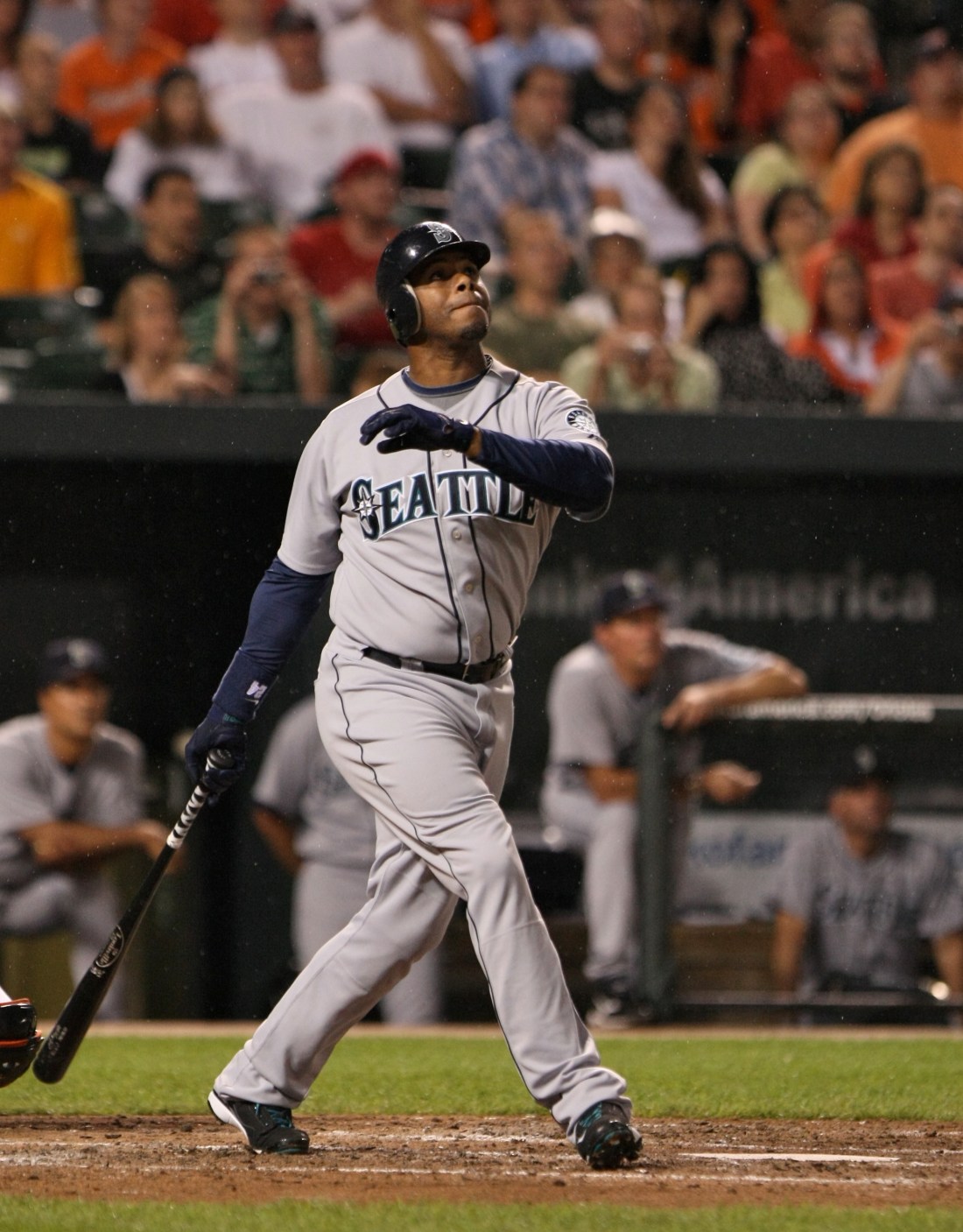
Ken Griffey Jr. and Ronaldo Luís Nazário de Lima both emerged as prodigious talents in their sports, transforming baseball and soccer with their exceptional skills. Despite facing significant injuries, their resilience led to remarkable comebacks, solidifying their legacy as Hall of Famers and enduring fan favorites.
A Vision Beyond the Game: The Transformative Power of Independent Leagues
In a groundbreaking move that transcends the traditional sports landscape, the Big3 league's offer to Caitlin Clark challenges established norms and heralds a new era for professional athletics. This moment, reminiscent of a pivotal "what if" in sports history involving the Negro Leagues and Babe Ruth, highlights the transformative power of independent leagues. By valuing talent and innovation over traditional pathways, the Big3's vision represents a step toward a more equitable and dynamic future in sports, where every athlete's contribution is recognized, and the boundaries of leagues are redefined.