Rewriting the Narrative: Changing the Language of Special Education

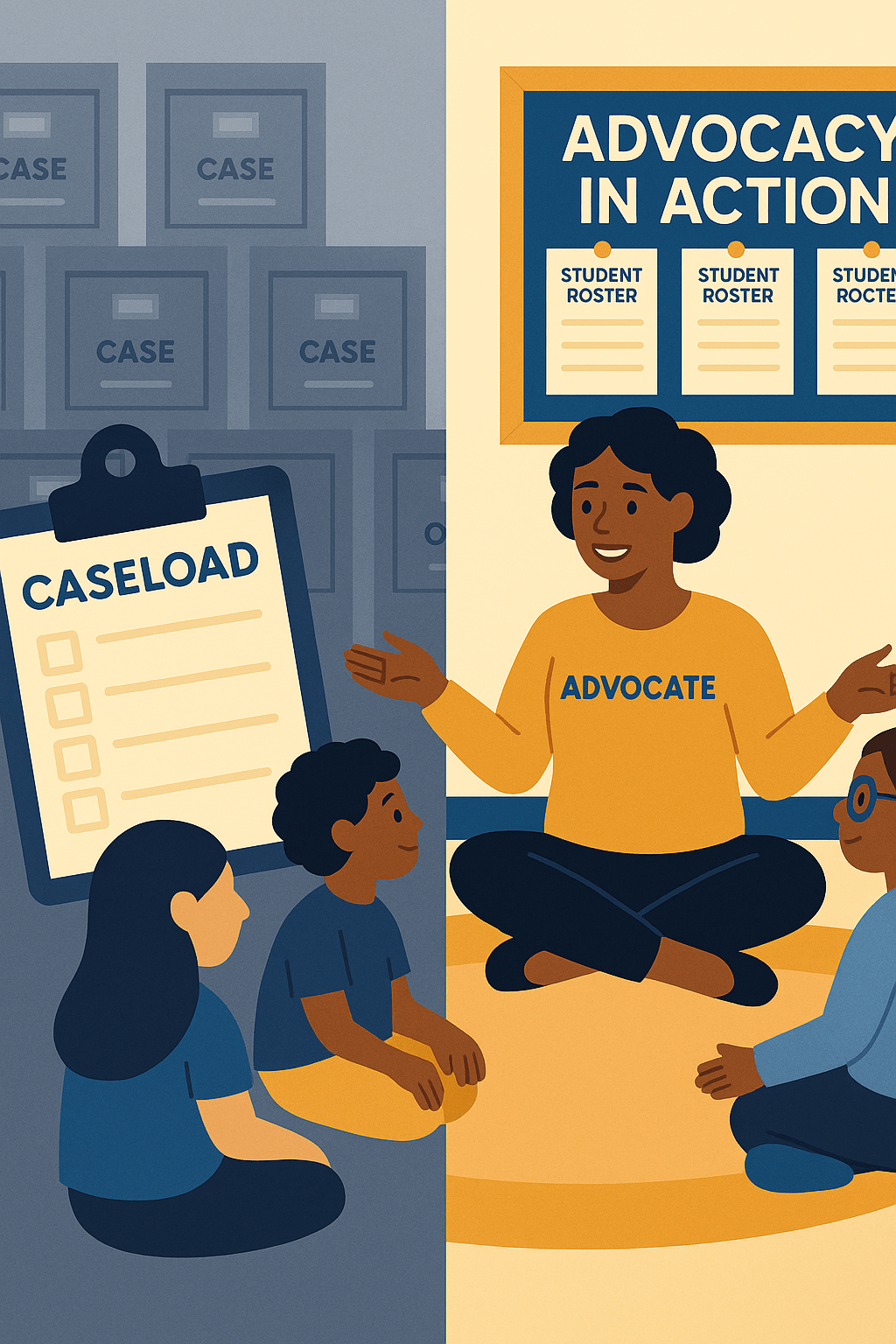
Language in Special Education is not neutral. Terms like “case manager” and “caseload” mirror the criminal justice system, not a learning community. This is a clear connection between SPED and carceral culture. I choose Advocate and Student Roster, because our students are people, not files. Change the language, change the culture.

Should Teachers Allow Students To Use ChatGPT? Yes, With Purpose, Guardrails, And Age-Appropriate Scaffolds

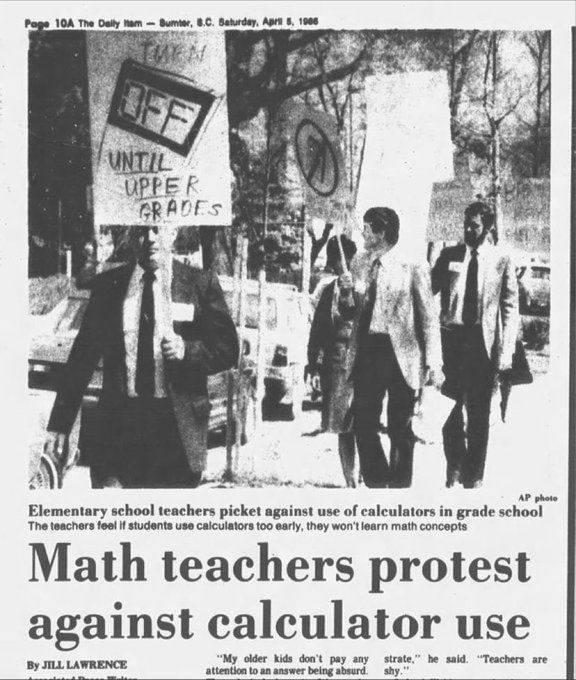
Teachers should allow ChatGPT with purpose and guardrails. Use it for brainstorming, reading support, feedback, and study help, not to produce final drafts. Start with teacher-led demos in K to 2, guided small-group use in grades 3 to 5, limited independent use with checks in grades 6 to 8, and accountable independent use in grades 9 to 12 and college. Keep equity, privacy, and visible thinking at the center.

Meeting the Moment: How Thoughts Cost Can Help Washington Districts Solve Special Education and Inclusion Gaps

Washington school districts are navigating deep special education funding gaps, staffing shortages, and the complex transition to more inclusive practices. From Seattle to Spokane, districts are reimagining services and calling for state support, yet they also need practical tools that ease workloads and strengthen family partnerships. Thought Cost offers co-planning supports, progress monitoring, and bilingual-ready communication systems to help districts deliver on equity and inclusion, student by student.

Emojis as a Game Changer in Education: A Lesson Learned from My Students

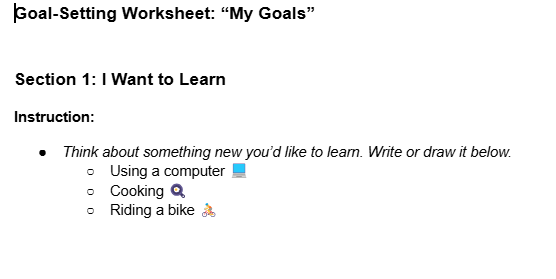
I have always been intentional about Universal Design for Learning (UDL), offering students multiple ways to engage with material. When I added emojis to a goal-setting worksheet, I thought they were just a fun visual. Five students interacted with them in different ways, revealing an unexpected way to make learning more accessible. That moment reshaped how I approach lesson design, proving that small changes can make a big impact.

Preparing for the Impact on Special Education Funding in Washington State and Nationwide

The potential defunding of the U.S. Department of Education threatens special education nationwide. Cuts to IDEA and Title I funding could reduce resources, undermining Universal Design for Learning (UDL) and Culturally Responsive Teaching. States like Washington may rely on agencies like DSHS to fill gaps, but advocacy and alternative funding are crucial to protecting equitable education access.

Four Years of Thoughts Cost: A Journey from One Student to Statewide Impact

Tomorrow marks four years since Thoughts Cost began with one student and a mission to create meaningful change during the uncertainty of the pandemic. From humble beginnings with no plan or income, we have grown into a movement that builds programs, develops EdTech tools, and secures state-level contracts to empower students, families, and educators. This journey has been defined by resilience, creativity, and a commitment to equity and inclusion.

Teacher Feature – Asia Ali: Inspiring Excellence and Diversity in Education

Asia Ali, a third-grade teacher. Is driven by a family legacy in education. Her achievements include students mastering multiplication facts and her advocacy for more diversity among teachers. Using innovative methods like TalkingPoints, she ensures consistent family involvement. Asia's work exemplifies the impact of dedication and understanding in education.

Teacher Feature – Grace Kim: Championing Inclusive Education

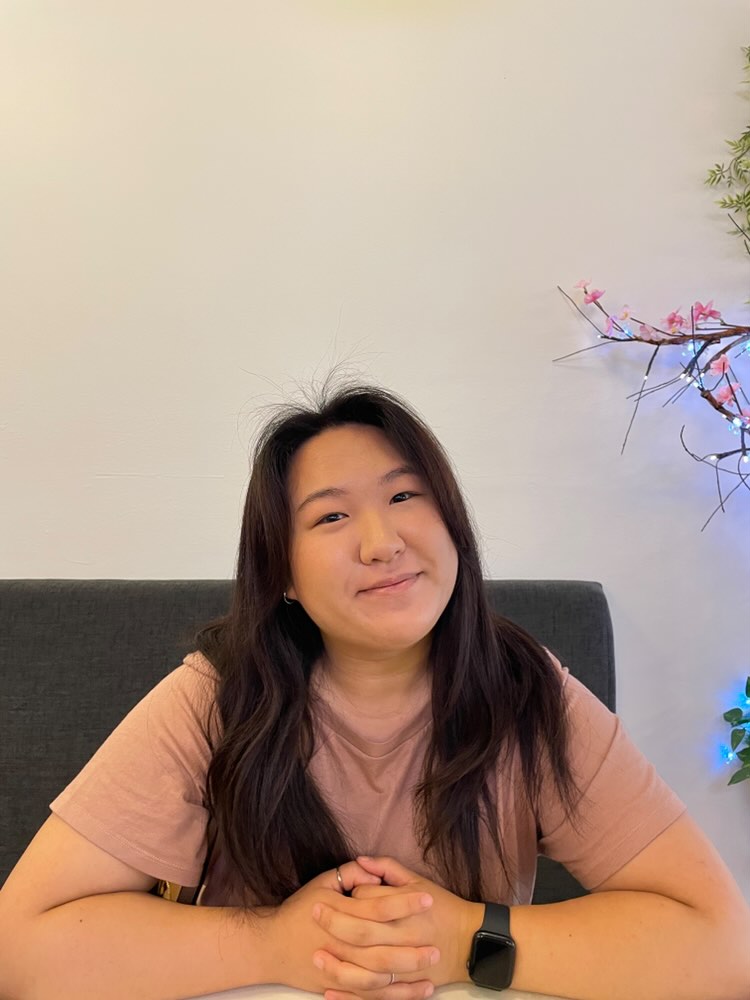
Grace Kim, an early childhood educator at Lea Hill Elementary, champions inclusive education for preschoolers. Inspired by a deep-rooted desire to advocate for those without a voice, she has significantly impacted her students' lives through innovative teaching and a commitment to community engagement. Celebrate Grace's dedication to creating a more inclusive and supportive learning environment for all.